- English
- French
- German
- Portuguese
- Spanish
- Russian
- Japanese
- Korean
- Arabic
- Greek
- German
- Turkish
- Italian
- Danish
- Romanian
- Indonesian
- Czech
- Afrikaans
- Swedish
- Polish
- Basque
- Catalan
- Esperanto
- Hindi
- Lao
- Albanian
- Amharic
- Armenian
- Azerbaijani
- Belarusian
- Bengali
- Bosnian
- Bulgarian
- Cebuano
- Chichewa
- Corsican
- Croatian
- Dutch
- Estonian
- Filipino
- Finnish
- Frisian
- Galician
- Georgian
- Gujarati
- Haitian
- Hausa
- Hawaiian
- Hebrew
- Hmong
- Hungarian
- Icelandic
- Igbo
- Javanese
- Kannada
- Kazakh
- Khmer
- Kurdish
- Kyrgyz
- Latin
- Latvian
- Lithuanian
- Luxembou..
- Macedonian
- Malagasy
- Malay
- Malayalam
- Maltese
- Maori
- Marathi
- Mongolian
- Burmese
- Nepali
- Norwegian
- Pashto
- Persian
- Punjabi
- Serbian
- Sesotho
- Sinhala
- Slovak
- Slovenian
- Somali
- Samoan
- Scots Gaelic
- Shona
- Sindhi
- Sundanese
- Swahili
- Tajik
- Tamil
- Telugu
- Thai
- Ukrainian
- Urdu
- Uzbek
- Vietnamese
- Welsh
- Xhosa
- Yiddish
- Yoruba
- Zulu
Traditional Glass Fermentation Jar With Lid VS Ceramic Crock
Most of the time, your needs will determine whether you choose a clay crock or a traditional glass fermentation jar with lid. You can see the whole process without breaking the anaerobic seal because traditional glass fermentation jars are so clear. They don't mix with chemicals either, which makes them great for places where acid is present, like when you make pickles and kimchi. On the other hand, ceramic crocks keep heat in very well and have a hand-made look that classic brands like. Setting up controlled anaerobic conditions is what both types of vessels do for the most part. But their material qualities, design features, and buying factors are very different, which can change how you make things and how much it costs.send inquiry

Comparing Material and Design: Glass Jars vs Ceramic Crocks
Material Properties and Chemical Resistance
Borosilicate glass is one of a kind because it doesn't easily break down when the temperature changes quickly or with chemicals. They can be used in high-acid environments with pH levels as low as 2.5 because all of their walls are the same thickness, which is between 4 mm and 6 mm. This means that they don't let out any harmful chemicals. The shape of the tank keeps bacteria from sticking to the surface, which makes it easier to clean and lowers the risk of contamination. Traditionally made from stoneware or clay, ceramic crocks have natural holes that can help micro-oxygenation. Some flavours might taste better because of this, but it also means that porous areas need to be cleaned more thoroughly to keep germs from growing there.
Because glass is clear, you can see the amount of grit, how active the bubbles are, and how clear the brine is without having to break the lid. A lot of businesses use this feature to keep an eye on quality because regular checks help cut down on batch failures. Because ceramic crocks aren't as clear, the lid has to be taken off to check on it every so often. This can let air in and mess up the anaerobic conditions. Glass doesn't let flavours move from one batch to the next, which is very important for companies that use the same equipment to make more than one line of products.
Lid Design and Fermentation Atmosphere Control
To keep the conditions neutral during fermenting, lid systems are very important. A water-seal moat is a ring of liquid that keeps water out. You can find these in many traditional glass fermentation jar with lids. Biological CO2 can bubble out of this system, but oxygen and other air pollutants can't get in. More reliable are high-tech gasket systems with mechanical covers that are made with great care. A lot of ceramic crocks have heavy lids that rest right on the edge. They are sometimes used with water seals or just plain cloth covers. With some care and pressure, the seal on these lids stays in place.
Traditional glass fermentation jar with lids that seal off water need to be checked often to make sure the moat stays full. There will be no oxygen in the air if the water disappears. This could cause mould to grow and food to go bad. Put a light brine or food-grade cleaner in the ditch. This will stop bacteria from growing the best. The fit can be better or worse based on how well the artist made the clay cap because they are bigger and not all the same. If the rim isn't always flat, it can cause seals that aren't complete and need more checks and adjustments for each batch.
Size Scalability and Customization Options
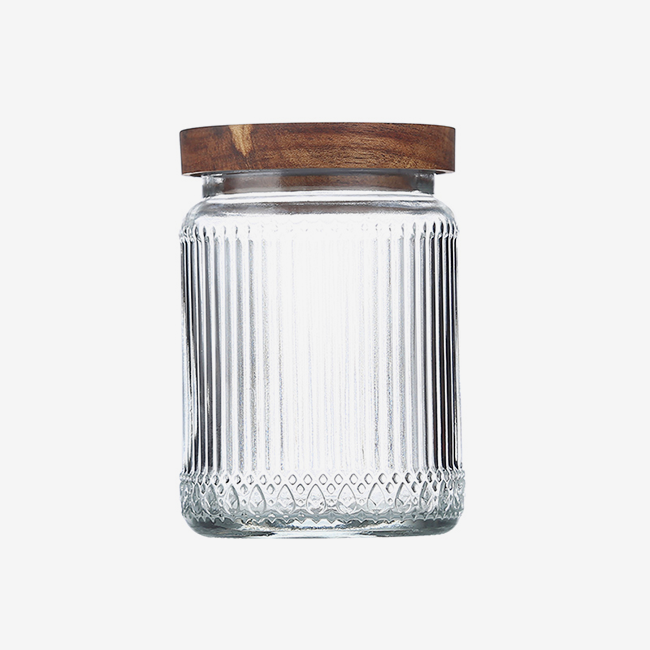
If you want to try out small batches, a 3-jin traditional glass fermentation jar with lid is a good choice. For larger batches, a 20-jin traditional glass fermentation jar with lid is good for home or light business use. Glass jars in our Xuzhou factory are 3 jin, 5 jin, 10 jin, 15 jin, and 20 jin in size. They are all blown by hand, which makes sure that each wall is the same thickness and the building stays strong. With a clear finish, you can see right away what the item is, and a smooth finish lets you add your own logo and make it your own. Because of these things, cross-border online sellers and gift channel producers who like having a lot of different looks love glass jars.
There aren't many standard sizes for ceramic crocks. Since most of them are made by hand, the weights and shapes can be different. It is possible to make changes because the moulding and firing are done by hand, but the wait time is longer and the minimum order number is generally higher. Fast development is possible for glass vessels, though, because the mould can be changed. This means that businesses can try out new sizes and shapes without spending a lot of money. It's very important for brands that want to enter new markets or change with the times that they can be flexible.
Functional Performance: Fermentation Process and Outcomes
Fermentation Efficiency and Process Control
Traditional glass fermentation jar with lids are great for getting results that are reliable and easy to guess. The see-through walls let the workers see how the brine cloudy gets and how much sediment builds up all the time. In real time, they can change things like the temperature and the amount of salt. Because of the instant feedback, there is less chance of too much or too little fermentation. This makes sure that all batches of the product are of the same quality. You can get great results with ceramic crocks, but you need more skill and common sense because you can't see them. Because operators have to stick to set times and test samples, it can take longer to fix problems and make more waste.
A stable temperature is another important measure of performance. Ceramic vessels can better handle changes in temperature outside because their walls are thicker and don't conduct heat as well. This makes the inside more stable. Because it takes less energy to keep fermentation temperatures at the right level, this trait can be useful in places that don't have climate control. The temperature outside of traditional glass fermentation jar with lids changes quickly because they are smaller and more sensitive. To avoid batch differences, they need to be carefully put in places where the temperature is controlled. On the other hand, borosilicate glass can handle temperature changes of up to 60°C. This means that sterilising with hot water is safe as long as the right steps are taken to slowly heat the water up first.
Flavor Development and Sensory Characteristics
A lot of people think that the porous walls of ceramic crocks can add subtle changes in flavour. That's why this limited contact to air can soften unpleasant acidic notes and help complex aromatic compounds form. This is an important part of traditional craft fermentation. But the same porosity can hold on to bacteria and yeast strains that have been used up. If the surface isn't cleaned well enough, this can cause flavours to carry over from one batch to the next. Each batch starts with a clean beginning because traditional glass fermentation jar with lids don't respond with anything and don't have pores. This means that the tastes are only changed by the ingredients and how the fermentation was done.
When making things for sale, consistency is very important because brand identity depends on taste profiles that can be copied. Since glass dishes don't change colour when made of different materials, they are the best choice for companies that make food, drinks, and health products. Ceramic crocks are still liked by cultural and creative brands that want to show off tradition and hand-made quality. This is when small changes between batches are praised instead of being ignored.
Troubleshooting Common Fermentation Issues
Most problems that happen during fermentation are caused by mould growth, bad smells, and changes in temperature. The water-seal moat usually dries out or doesn't have enough room, letting brine overflow into the moat and making it less effective at keeping water out. This is when mould usually grows in traditional glass fermentation jar with lids. Heaving stops when there are at least two inches of room. This lets CO2 spread. Most of the time, bad smells are caused by aerobic pollution, which can happen because of a broken gasket or poor moat upkeep. If you use clean water in the moat and replace the silicone seals, most problems will go away.
Clay crocks are dark, so mould can grow on them without being seen until it's spreads. If there are big changes in the outside world, temperature changes can still slow fermentation down in ceramic jars, even though they aren't easy to see. Testing the pH and taking samples of the brine on a regular basis becomes important quality control steps that make things harder to do. Since the operator can't see the input, their experience is more important than ever. Training and recording are necessary to get regular results.
How to Choose the Best Fermentation Vessel for Your Business Needs?
Aligning Vessel Selection with Product Types and Batch Sizes
The type of fermented product will determine the design of the vessel and the properties of the material used. You can see what's going on inside traditional glass fermentation jar with lids, and they don't react chemically. This is great for kimchi, sauerkraut, and pickles because you can precisely control how salty the brine is and how the fermentation process works. Some containers for kombucha and other probiotic drinks are made of borosilicate glass with thick walls. These containers can handle mild carbonation pressures. Ceramic crocks can be used to store miso, traditional soy sauce, and other slow-fermented pastes that do better at maintaining their temperature and getting some oxygen.
Batch size isn't just the size of the vessel that you need to think about. The best thing about traditional glass fermentation jar with lids for businesses is that they can be automatically filled, capped, and labelled. Clay crocks may be liked by smaller craft makers because they look nice and are easier to sell, even if they slow them down. The ability to grow should be a part of plans for buying things. With modular purchasing, capacity can slowly grow as need does. Our sizes range from 3 jin to 20 jin, which gives us a lot of options for planning batches and keeps our start-up costs low.
Evaluating Procurement Metrics: Durability, Cleaning, and Cost-Effectiveness
Long-term income and how often something needs to be replaced are directly related to how long something lasts. Borosilicate glass lasts longer than soda-lime glass or fragile clay dishes because it can handle thermal shock and mechanical stress better. Each time microcracks and gasket wear are found and fixed, less waste is made and the brand's reputation is cared for. To be honest, ceramic crocks last a long time when they are used normally. However, they break and chip more easily when they are moved or handled, which means more money is lost.
When cleaning is easy, there is less work to do and things get done faster. Traditional glass fermentation jar with lids don't need to be scrubbed by hand every night because they work great with CIP plants. Ceramic crocks need to be washed by hand and dry for longer periods of time, which takes up workers' time and slows down production. The purchase price and these operating factors need to be included in cost-effectiveness estimates in order to get the true total cost of ownership. If your business makes a lot of things quickly, traditional glass fermentation jar with lids are a better value. On the other hand, craft brands that make few things but make a lot of money might be able to handle ceramic's high price.
Conclusion
As a business owner, you should think about the needs of your product, how you want to market it, and whether you want to use a traditional glass fermentation jar with lid or a ceramic crock. Glass is clear, doesn't react with chemicals, and is simple to clean. This makes them great for commercial production on a big scale and brands that want to stay true to their style. Small-scale and traditional brands like ceramic crocks because they keep food warm, look nice, and add a mild taste. Both options can help your fermentation go well if they are properly matched to your needs. Look at things like material properties, lid systems, buy prices, and maintenance needs to make your supply chain work better and make your goods better.
FAQ
How long does fermentation typically take in glass jars?
This process takes different amounts of time depending on the type of food, the temperature, and the strength of the flavour you desire. When left out in the open, kimchi and pickles ferment in 3 to 7 days, but kombucha takes 7 to 14 days. From the outside, you can see what's happening in traditional glass fermentation jar with lids. To find the best time to harvest without breaking the anaerobic seal, watch the bubbles move and the clarity of the brine.
Can I use ceramic crocks interchangeably with glass fermentation jars?
Yes, but think about what you'll give up. Ceramic crocks keep heat in better, which helps fermentation stay stable in places that can't be controlled. Traditional glass fermentation jar with lids are clear and simple to clean, which helps you check the quality and lowers the chance of getting something dirty inside. Your choice will depend on the size of your batches, the amount of work you need to do, and how much operational complexity you can handle.
What advantages do airlock lids provide over regular lids?
O2 can't get in, but CO2 can leave through airlock lids like water-seal moats. This keeps Kahm yeast and oxygen mould from ruining your batch. Every so often, regular lids need to be burped to let out gas pressure. This disturbs the anaerobic environment and makes it more likely that the food will become contaminated. Designs that seal off water keep the food safe while it ferments in the traditional glass fermentation jar with lid.
Partner with Xuzhou Pinyunyi Glass for Reliable Fermentation Vessel Solutions
Borosilicate glass traditional glass fermentation jar with lids made by our company, Xuzhou Pinyunyi Glass, are very good and can be used at home or in a business setting. Our factory in Xuzhou, Jiangsu, blows glass jars in sizes from 3 jin to 20 jin. All of them have plain surfaces that can be printed with your logo to make your brand stand out. Our traditional glass fermentation jar comes from a reputable company that maintains high quality standards and provides low bulk prices for people who sell household goods, food packaging, and goods across international borders. Contact us at 18168782056@163.com to talk about your specific wants and get custom help with buying things. You can see our full line of goods at www.pyyglassware.com. You can also find out how our fermentation tanks can help you make your production more efficient and your products better.

References
Chen, L. (2021). Fermentation Science and Technology: Principles and Applications in Food Processing. Academic Press.
Johnson, M. & Rivera, S. (2020). Material Science in Food Packaging: Glass, Ceramic, and Polymer Comparisons. Springer Publishing.
Park, J. (2022). Traditional and Modern Fermentation Vessels: Impact on Flavor and Safety. Journal of Food Engineering, 45(3), 112-128.
Smith, R. (2019). Procurement Strategies for Food Manufacturing Equipment. Industrial Press.
Wang, H. (2023). Borosilicate Glass Properties and Applications in Food Industry. Materials Science Quarterly, 18(2), 67-81.
Zhang, Y. & Liu, X. (2020). Comparative Analysis of Fermentation Containers: Operational Efficiency and Product Quality. Food Technology Review, 12(4), 203-219.
Learn about our latest products and discounts through SMS or email