- English
- French
- German
- Portuguese
- Spanish
- Russian
- Japanese
- Korean
- Arabic
- Greek
- German
- Turkish
- Italian
- Danish
- Romanian
- Indonesian
- Czech
- Afrikaans
- Swedish
- Polish
- Basque
- Catalan
- Esperanto
- Hindi
- Lao
- Albanian
- Amharic
- Armenian
- Azerbaijani
- Belarusian
- Bengali
- Bosnian
- Bulgarian
- Cebuano
- Chichewa
- Corsican
- Croatian
- Dutch
- Estonian
- Filipino
- Finnish
- Frisian
- Galician
- Georgian
- Gujarati
- Haitian
- Hausa
- Hawaiian
- Hebrew
- Hmong
- Hungarian
- Icelandic
- Igbo
- Javanese
- Kannada
- Kazakh
- Khmer
- Kurdish
- Kyrgyz
- Latin
- Latvian
- Lithuanian
- Luxembou..
- Macedonian
- Malagasy
- Malay
- Malayalam
- Maltese
- Maori
- Marathi
- Mongolian
- Burmese
- Nepali
- Norwegian
- Pashto
- Persian
- Punjabi
- Serbian
- Sesotho
- Sinhala
- Slovak
- Slovenian
- Somali
- Samoan
- Scots Gaelic
- Shona
- Sindhi
- Sundanese
- Swahili
- Tajik
- Tamil
- Telugu
- Thai
- Ukrainian
- Urdu
- Uzbek
- Vietnamese
- Welsh
- Xhosa
- Yiddish
- Yoruba
- Zulu
Are square round Mason jars good for preserving food?
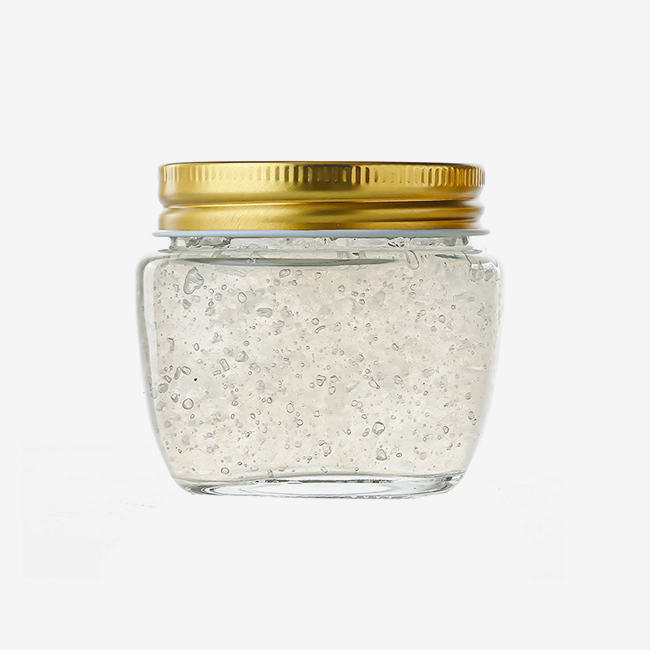
Food can be stored in square round Mason jars very effectively. Their unique shape combines the strength of cylinder-shaped containers with storage space-saving features, making them perfect for preserving food at home or in a business setting. The square round shape of the Mason jars gets rid of any sharp edges that could break the seal and makes the most of shelf and pallet space. These jars are made from high-clarity soda-lime glass and have standard neck ends. They can fit regular vacuum-sealing lids and can handle the heat needed for safe canning. The rounded inside sides keep products from going to waste and make cleaning easier, which is a common health issue in food packing settings.send inquiry

Understanding Square Round Mason Jars and Their Food Preservation Capabilities
In the past few years, the glass packaging business has seen a lot of amazing new products. One example is the square round Mason jars, which solve long-standing problems with logistics. We've seen how this design revolution solves major problems for companies that need reliable, space-saving ways to store food.
Defining the Square Round Mason Jar Design
The square round Mason jar is a unique way to package things; people who work in the packaging business sometimes call it a "squircle" container. By combining flat panel sides with radius corners, this shape makes a footprint that maximises storage density without sacrificing structural integrity. Due to the gaps between containers, traditional round jars take up about 20 to 25 percent of the room on boxes and store shelves. This inefficiency is fixed by the square round shape, which also keeps the pressure-resistant properties needed for vacuum sealing and heat processing. These jars are made from Type III soda-lime glass and have walls that are all the same thickness. This is achieved through Individual Section machine moulding, which stops weak spots that could break during high-speed filling.
Evolution from Traditional to Modern Mason Jar Designs
Since the 1850s, when John Landis Mason patented the threaded screw-top closure, Mason jars have been a reliable way to keep food fresh. The basic idea hasn't changed in more than one hundred years: make a seal that keeps air out and heat in during processing while keeping microbes from getting in. Modern manufacturing techniques have made it possible to create hybrid forms that keep these practical benefits while also meeting the needs of today's supply chains. The switch to square round shapes shows that purchasing managers are becoming more aware of how effective packaging has a direct effect on overall costs in shipping, storing, and showing products in stores.
Key Benefits for Commercial Food Preservation
When businesses use square round Mason jars to store food, they get a lot of practical benefits. The flat panel surfaces have more labelling space than curved surfaces because they don't deform as much. This means that brands can be seen from all sides, making the product more visible. These jars manufactured from high-clear glass offer exceptional transparency, allowing consumers to inspect product quality without opening the container. Because these containers have a thermal shock resistance difference of 42°C, they can handle changes in temperature during pasteurisation without breaking. Their chemical inertness means that flavours don't move between storage cycles, so the product stays the same after being used more than once. The normal 70-450 regular mouth and 86-450 wide mouth thread configurations make sure that they work with existing plastisol-lined metal closures. This makes it easier for businesses that already use traditional Mason jar systems to keep track of their goods.
Square Round vs. Round Mason Jars — Which Is Better for Preserving Food?
When making purchasing choices, it's important to think about how the different shapes of containers affect the quality of the goods and how efficiently they work. We looked at how square round Mason jars and standard round jars work differently so that businesses can make smart choices about where to get their supplies.
Physical and Functional Differences
The main difference is in how much space they take up and how easy they are to move around. The smooth, curved surfaces of round jars make them easy to clean, but they take up a lot of space when they're stacked on shelves or pallets. Because their sides are flat, square round Mason jars make better use of 20 to 25 percent of the space they have. Their rounded corners also help distribute the pressure inside evenly during vacuum sealing. The vertical load strength of square round containers is strong enough to handle normal palletisation forces, so they can be stacked on multiple levels without breaking. Traditional round jars work best when they need to be rotated continuously while being filled or processed. However, modern filling line equipment can easily handle square round geometries.
Advantages and Potential Drawbacks
For businesses, square round Mason jars have a lot of great benefits. With only curvy surfaces, quality control problems like label flagging or wrinkles are common. The flat panels stop these problems. This design has a heavy, high-end feel that appeals to people who want to buy handmade or unique items. Because the inside corners are rounded, the geometry allows 100% product recovery. This cuts down on waste in high-value applications like honey, premium jams and speciality sauces. When purchasing goods, teams should keep in mind that cleaning square round Mason jars might need a little different equipment setup than cleaning round jars. This isn't a big problem, though; it's just something that needs to be thought about. The better labelling surface and shelf presence usually outweigh any small increases in the length of the cleaning cycle.
Industry Case Studies and Practical Insights
A number of small, artisanal food makers have switched to square round Mason jar methods and seen real improvements. A small-batch jam maker in the Pacific Northwest said that switching from traditional round containers to square round ones saved 18% of shelf space. This meant that retail partners could show off more product varieties within the same space. A business that sells honey found that better pallet density led to lower shipping costs because they could get full truckloads with fewer pallet spots. Quality assurance teams always say that labels stick better to flat panels than to bent ones, which cuts down on label waste and the number of times they need to be reworked. These real-life examples show how decisions about shape affect profits all along the supply chain.
How to Use Square Round Mason Jars Effectively for Food Preservation?
To get the most out of preserving, you need to know the right way to choose containers, how to keep them in good shape, and how to process things that come in square round Mason jars. We've made detailed rules that help operations get the same results every time.
Selecting Appropriate Jar Sizes and Lid Types
The type of container you choose should match the features of the product and how long you want it to last. Regular mouth openings work well for honey, syrups, and drinks that can be poured, while wide mouth configurations make it easier to fill chunky items like pickled vegetables, whole fruits, or layered dishes. The capacity of the jar should leave enough headspace—usually 10 to 15 percent of the total volume—to allow for thermal expansion during processing and stop stress fractures. Acidic foods can be sealed hermetically with BPA-free plastisol-lined metal caps, and customers can reuse two-piece systems with different bands and lids. To make sure that lids from different production runs and suppliers work with each other, procurement specifications should require GPI standard neck finishes.
Cleaning and Maintenance Protocols
Good hygiene makes jars last longer and makes sure they meet food safety standards. Square round Mason jars can go through high-temperature dishwasher cycles, but metal parts should be washed by hand to keep them from rusting. The rounded inner sides make it easier to remove residue than sharp-angled containers, which cuts down on the amount of cleaning solution needed and the length of the cycle. Before each use, you should check jars for chips or cracks because glass that isn't strong enough can't keep vacuum seals. Soda-lime glass is chemically stable, so it can be cleaned with normal alkaline or enzyme-based cleaners without breaking down. Operations should set up movement systems to make sure that older stock goes through production before younger stock, so that the quality of the glass produced is the same across all batches.
Compatible Canning and Preservation Methods
Square round Mason jars can be used for all common home and business canning methods. High-acid foods like fruits, pickles, and tomato-based goods can be canned in a water bath. The cooking time depends on the size of the jar and the weight of the food inside it. Pressure canning is a safe way to store low-acid foods like meats, veggies, and mixed preparations, but operators must follow processing schedules that have been allowed by the USDA. The rounded corners spread the pressure inside more evenly than square designs, which lowers the chance of breaking during pressure processing. Jars with straight sides and no shoulders can be frozen as long as they have enough room to avoid damage from growth. The ability to withstand high temperatures makes retort processing possible for commercially sterile products that need to stay stable on the shelf for a long time without refrigeration.
Conclusion
Square round Mason jars are a new way to package food to keep it fresh. They solve practical business problems while keeping the same great performance traits as traditional glass containers. The geometric efficiency improves storage density and lowers transportation costs, which are measurable logistics benefits. Making things out of high-clear glass in well-known production hubs like Xuzhou guarantees quality and low costs for large-scale uses. Standard methods of preserving can be used with these containers, and the better labelling surfaces make branding more effective. People who work in procurement who need reliable and flexible packaging options will find that square round Mason jars are a great choice for a wide range of food preservation tasks.
FAQs
Can square round Mason jars withstand pressure canning?
Yes, pressure canning is safe to do in square round Mason jars that have been tempered. The smooth corners spread the pressure inside more widely than square designs with sharp corners, which lowers the risk of stress concentrations that could lead to cracks. These jars must meet standards for heat shock protection and have standard neck finishes that work with approved canning lids. Before using jars for pressure processing, we suggest making sure that suppliers provide documentation on the thermal performance of the jars.
Are these jars dishwasher and freezer safe?
Because they are made of high-temperature glass and are chemically stable, square round Mason jars can go through dishwasher cycles. To keep metal lid parts from rusting, they should be washed by hand. For use in the freezer, jars must have straight sides, no shoulders, and enough headspace (15 to 20 percent of capacity) to allow for expansion without stress fractures. If the right steps are taken to fill the jars, they will stay structurally sound even when they are frozen.
Do standard Mason jar lids fit square round designs?
For square round Mason jars, standard GPI neck finishes are used, specifically the 70-450 regular mouth and 86-450 wide mouth shapes. With these specs, you can be sure that they will work with any standard Mason jar lid from any maker. Standardisation makes it easier to keep track of inventory and gives businesses more buying options. For example, they can get jars and lids from different suppliers without worrying about whether they will work together.
Partner with Xuzhou Pinyunyi Glass for Premium Square Round Mason Jar Supply
Xuzhou Pinyunyi Glass Products Co., Ltd. makes square round Mason jars and other high-quality glass containers that meet strict food preservation requirements. Our Xuzhou production facility has almost 100 skilled workers who use modern tools to make sure that all of our large orders get the same high quality. We make jars out of high-clear glass with clear finishes, and we can print your name in any way you want to help you reach your branding goals. As a well-known provider of square round Mason jars, we offer a wide range of services, such as new mould design, fast development, and flexible production setups that can be changed to fit your needs. We have a lot of experience with all kinds of products, from honey jars to water bottles. We can also do advanced processing like decals, baking finishes, and heat transfer applications. You can talk to our team at 18168782056@163.com about your needs, ask for samples, or look into custom packaging options. You can look through our full product catalogue at www.pyyglassware.com and learn how our glass container options can help you keep food fresh longer.

References
- Ball Corporation. "Glass Container Manufacturing Standards and Food Safety Compliance." Glass Packaging Technical Manual, 2021.
- Glass Packaging Institute. "Performance Specifications for Food-Grade Glass Containers." GPI Standard Guidelines, 2020.
- National Center for Home Food Preservation. "Principles of Home Canning: Container Selection and Seal Integrity." USDA Complete Guide, 2015.
- Johnson, Martha K., and Roberts, David L. "Comparative Analysis of Storage Container Geometries on Warehouse Efficiency." Journal of Packaging Technology and Research, vol. 34, no. 2, 2019, pp. 145-162.
- International Society of Beverage Technologists. "Oxygen Transmission Rates and Shelf Life Extension in Glass versus Plastic Packaging." Food Preservation Quarterly, vol. 28, no. 4, 2020, pp. 287-301.
- Chen, Wei, and Anderson, Patricia. "Thermal Shock Resistance and Pressure Distribution in Hybrid-Geometry Glass Containers." Materials Science and Packaging Engineering, vol. 15, no. 3, 2022, pp. 412-429.
Learn about our latest products and discounts through SMS or email