- English
- French
- German
- Portuguese
- Spanish
- Russian
- Japanese
- Korean
- Arabic
- Greek
- German
- Turkish
- Italian
- Danish
- Romanian
- Indonesian
- Czech
- Afrikaans
- Swedish
- Polish
- Basque
- Catalan
- Esperanto
- Hindi
- Lao
- Albanian
- Amharic
- Armenian
- Azerbaijani
- Belarusian
- Bengali
- Bosnian
- Bulgarian
- Cebuano
- Chichewa
- Corsican
- Croatian
- Dutch
- Estonian
- Filipino
- Finnish
- Frisian
- Galician
- Georgian
- Gujarati
- Haitian
- Hausa
- Hawaiian
- Hebrew
- Hmong
- Hungarian
- Icelandic
- Igbo
- Javanese
- Kannada
- Kazakh
- Khmer
- Kurdish
- Kyrgyz
- Latin
- Latvian
- Lithuanian
- Luxembou..
- Macedonian
- Malagasy
- Malay
- Malayalam
- Maltese
- Maori
- Marathi
- Mongolian
- Burmese
- Nepali
- Norwegian
- Pashto
- Persian
- Punjabi
- Serbian
- Sesotho
- Sinhala
- Slovak
- Slovenian
- Somali
- Samoan
- Scots Gaelic
- Shona
- Sindhi
- Sundanese
- Swahili
- Tajik
- Tamil
- Telugu
- Thai
- Ukrainian
- Urdu
- Uzbek
- Vietnamese
- Welsh
- Xhosa
- Yiddish
- Yoruba
- Zulu
How to design nordic style glass jar?
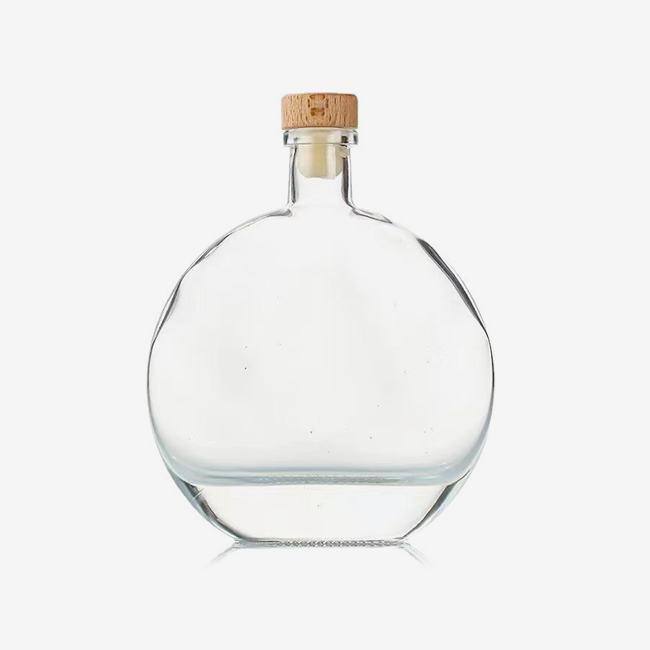
Scandinavian minimalism is used to design a nordic style glass jar. This is shown through clean geometric shapes, neutral color schemes, and useful simplicity. The first step is to choose high-quality, thicker glass materials that are very clear and last a long time. To keep the product fresh while keeping the natural look, you'll need to include airtight closing devices made from natural materials like wood or food-grade silicone. Every design choice should strike a balance between how things look and how useful they are, making containers that can be used regularly for everything from storing food to packaging cosmetics.
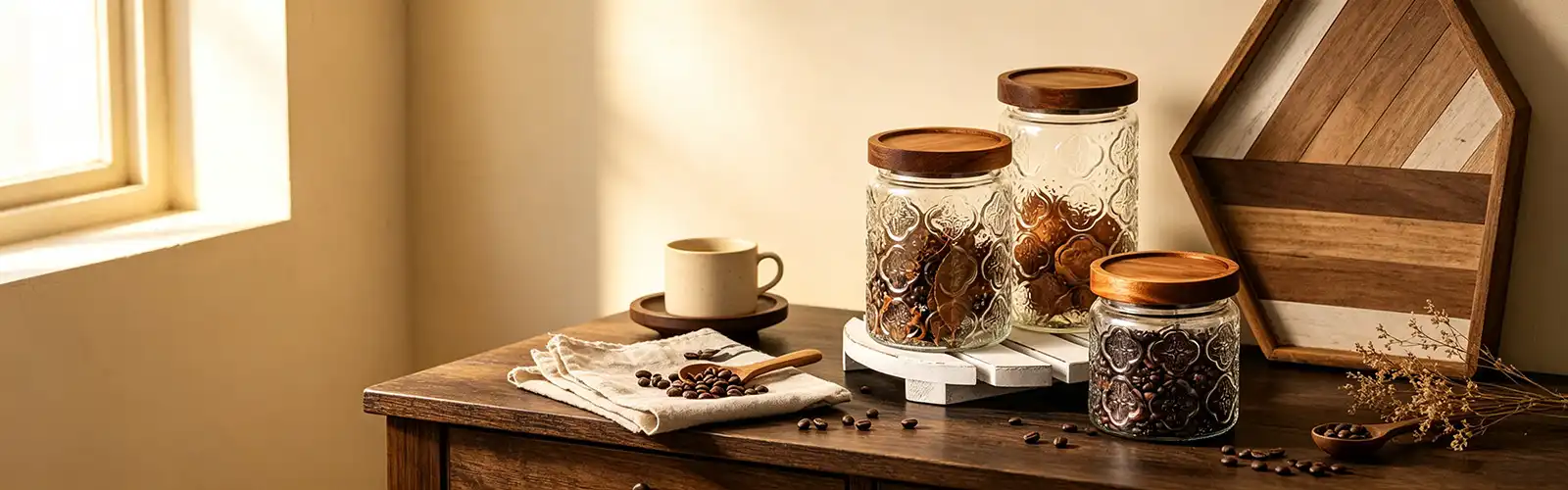

Nordic Style Glass Jars: Design Principles and Features
The idea of "less is more" is at the heart of Scandinavian glassware design. This way of thinking gets rid of unnecessary decorations in favor of useful beauty. Since these containers are made with honest materials, careful proportions, and workmanship that lasts, they are a great choice.
Core Design Elements That Define Nordic Aesthetics
There are certain visual traits that minimalist glass cases have that set them apart from other types of packing. The shape of the outline usually has straight walls or soft curves that aren't decorated with lots of small details. Surface treatments like either soft matte finishes made by acid-etching or crystal-clear transparency (with more than 92% light transmission). Color schemes are kept bland on purpose, using whites, grays, natural wood tones, and sometimes soft pastels that go with the main colors instead of taking over.
When choosing materials, quality is given more weight than saving money. The base of the structure is made of premium soda-lime glass or high borosilicate glass, which is clearer and more resistant to heat shock. Thickened glass walls, which are usually between 3 and 5 mm, give things a lot of weight and sturdiness, which communicates quality through touch. This choice of material is good for the earth because glass can be recycled over and over again without losing any of its quality. This supports the circular economy principles that more and more careful buying professionals are asking for.
Functional Features That Drive B2B Value
In addition to looking good, these nordic style glass jars improve efficiency in a way that can be measured. Precision-ground glass rims and high-elasticity silicone gaskets with multi-ribbed shapes are used in airtight sealing systems to make secondary vacuum seals. Food, makeup, and medicines can have longer shelf lives because this tech stops moisture from getting in. The smooth, non-porous glass surface stops flavors from transferring and protects against acid-alkali rust, so the product stays fresh in a variety of storage conditions.
When used for business-to-business purposes, thermal qualities need extra care. Different types of borosilicate can handle temperature differences of up to 150°C, which makes it safe to go from the freezer to the microwave. With this much flexibility, it can be used in more places, like food service, laboratories, and homes. Mechanical longevity testing, such as BS EN 12875 washing resistance standards, show that containers that are made correctly keep their structural integrity through 500+ industrial wash cycles. This lowers the cost of replacements and supports long-term business models.
Step-by-Step Guide to Designing Nordic Style Glass Jars (Systematic Deconstruction Approach)
Making minimalist containers that work well takes careful planning that turns brand needs into specs that can be made. This process starts a long time before the production tools are made, and it needs the design teams, procurement experts, and factory partners to work together.
Defining Project Parameters and Client Requirements
During the first part of design, clear goals are set that are in line with your market situation. Think about what these jars will be used for: will they hold honey and jam, high-end face creams, or handcrafted drinks? For each use, the volume, opening diameter, and closing methods must meet specific needs. A 700ml jar that is 14.3 cm tall and 10 cm across has a flexible size that works well for storing food in the cupboard. Smaller sizes are better for cosmetics and medicines.
Aligning the container with the brand's visual style makes sure that it fits in with it instead of clashing with it. Look at your present line of packing, marketing materials, and where you stand in the market compared to others. The design of the jar should feel like a natural extension of your brand story, whether that story is about being authentically rustic, being precise in the medical field, or being modern and sophisticated. Write down these needs in a detailed brief that includes details about the capacity, any size restrictions, preferred closures, and any legal compliance needs that are unique to your business.
Material Selection and Manufacturing Considerations
When picking between types of glass, you have to weigh the performance features against the cost structures. For most uses, standard soda-lime glass is clear, cheap, and works well. This makes it perfect for storing food and general store packaging where high thermal protection isn't needed. Borosilicate glass costs more, but it's worth it for goods that need to be sterilized, heated and cooled many times, or have chemical protection at the pharmaceutical level. Talk openly about these choices with manufacturing partners like Xuzhou Pinyunyi Glass, which knows a lot about different types of glass and can help you choose the best materials for your needs.
The choice of manufacturing method affects both the look and the cost of production. Press-and-blow forming makes walls that are all the same thickness and works well for cylinder shapes. Blow-and-blow methods are better for making containers with round bodies. Surface processes, like sandblasting for a smooth look or ion-exchange tempering for more strength, make things more useful, but they need to be ordered in large numbers, which changes how they are bought. Compare these factors with the expected output number and your budget to find the most cost-effective way to make the nordic style glass jar.
Incorporating Closure Systems and Finishing Details
The shape of the lid has a big effect on how the whole thing looks and how well it works. Bamboo screw-on caps are made from a natural resource and look nice against clear glass, but they need to be oiled every so often to keep them from drying out. Cork stoppers have a classic look and a natural bend that lets them fit small differences in size, which makes them easy to make. 304 or 316 grade stainless steel lids are the best at keeping out moisture and resisting rust, which is important for liquid goods and damp places.
To make sure the covering works well, the rim cleaning process needs precise engineering. Tight specs on ground glass rims make gaskets work better and lower the number of failures in airtight situations. Professional-grade providers are different from commodity makers because they have the right tools and quality control procedures for this step in the manufacturing process. When looking at possible production partners, ask for examples that show the consistency of the rim and test the physical seal in a setting that is similar to where you want to use it.
Tailoring Nordic Style Glass Jar Designs to Specific Uses and Markets
Because simple glass cases are so flexible, they can be used in a wide range of B2B industries. However, each use requires different design changes and feature optimizations.
Food Storage and Packaging Applications
For easy filling and recovery, pantry organization items need openings with wide mouths that are usually between 8 and 12 cm in diameter. Transparent glass lets you see what's inside right away, so you don't have to name things from the outside. This keeps the look of all your storage groups consistent. When paired with the right sealing materials, airtight lids keep dry goods like flour, grains, and pasta fresh. They can also be used for liquids like honey, jams, and pickled veggies.
Food companies are using these cases more and more for store packaging that can also be used for long-term storage. This method with two uses adds value that supports higher prices because people are willing to pay more for packaging they'll keep using after they've used the product inside it. This approach works especially well for specialty food brands, organic brands, and small-batch producers because the quality of the package shows that the food inside is good. When planning for this market, think about features like stackability and standards of dimensions that make store display and customer storage more efficient for the nordic style glass jar.
Cosmetics and Personal Care Packaging
Applications in the beauty business focus on making things look better and setting brands apart in a crowded market. Cream jars with simple designs send a message of clean formulas and ingredient openness, which is in line with what modern consumers want in natural, eco-friendly cosmetics. Typical sizes range from 30ml for heavy serums to 150ml for body care products, and the shapes are carefully chosen to fit in your hand while giving the impression of more space.
When used in cosmetics, the ability to customize becomes very important. OEM companies like Xuzhou Pinyunyi Glass offer methods like silk-screen printing, laser etching, and hot pressing that can be used to add branding elements while still following the rules of simple design. Using tonal color matching, subtle logo placement, and silver details can help people recognize a brand without taking away from the clean look that Nordic style is known for. Work closely with people who know about decorating to make samples that show how branding fits in with the general design idea.
Pharmaceutical and Wellness Product Packaging
Healthcare apps have strict rules about cleaning, tamper evidence, and following the rules. Pharmaceutical-grade glass jars need stricter quality control measures, such as automatic optical screening, proof of sterility, and proof of traceability. Light-sensitive mixtures are protected by amber or UV-filtered glass options, which keep the basic simplicity that defines Scandinavian design.
Child-resistant locks are hard to build because they have to look good and meet safety standards at the same time. Work with closure experts who know both the rules and how things should look to find answers that meet the law's standards without making things look bad. The money spent on specialty closing systems pays off because it opens up more markets and lowers the company's liability risk.
Gift and Premium Merchandising
As stand-alone gifts and high-end packaging for specialized goods, the cultural and artistic industries use nordic style glass jar designs. These containers have a classic look and can be used more than once, which is great for limited editions, holiday collections, and workplace gift programs. Small-batch production with different styles lets you test the market and respond quickly to new trends without taking on a lot of inventory risk.
Services that allow for custom engraving and personalization are useful for event managers, wedding vendors, and business advertising campaigns. With these customization choices, simple cases become unique souvenirs that get your brand seen long after they were first given out. When going after this group of people, stress the importance of design flexibility and low minimum order amounts that can suit the varied, project-based buying habits that gift industry buyers have.
Conclusion
Aesthetic principles must be balanced with practical performance and manufacturing facts in order to create effective nordic style glass jars. The simple beauty that defines Scandinavian glassware makes it look good right away and has real benefits in terms of longevity, sustainability, and adaptability across many B2B sectors. Paying close attention to things like material choice, closure systems, customization choices, and supplier skills is necessary for successful buying. These things affect the quality of the product and the business's results. Procurement pros can find containers that improve brand image, meet legal requirements, and give a measurable return on investment by using systematic design processes, carefully evaluating suppliers, and keeping the long-term relationship value in mind.
FAQ
What materials are used in high-quality Nordic style glass jars?
High borosilicate glass 3.3 or refined soda-lime glass are both used in high-end cases. Both are made to meet ISO 7086 guidelines for lead and cadmium removal. Borosilicate is very good at resisting thermal shock and can handle temperature differences of up to 150°C. This makes it perfect for uses that need to be sterilized or exposed to high temperatures. It is very clear and doesn't cost much, so soda-lime glass is great for normal storing needs. Closures are usually made of bamboo, cork, or stainless steel (304/316 types), which is chosen based on how well it resists water and how it looks.
Can these jars be customized with company branding?
You can customize it by silk-screen printing, laser etching, or hot stamping, all of which use names and brand features in a way that doesn't go against the principles of simple design. Xuzhou Pinyunyi Glass specializes in decorating in ways that keep things looking simple. They do this by matching tones of color and placing things in a way that improves the clean look instead of taking it over. For custom decoration, the minimum order quantity is usually between 3,000 and 5,000 units, but this depends on how complicated the design is. Requirements are different for each maker and method.
How do Nordic jars compare to Mason jars for preservation?
When sealed correctly, both types of jars can keep food fresh, but nordic style designs usually have more advanced closing mechanisms. When combined with multi-ribbed silicone gaskets, ground-glass rims make airtight seals that are better than those made by normal threaded Mason jar lids without gaskets. This difference in engineering means that goods that are sensitive to moisture will last longer on the shelf and will be better protected against rust. Nordic containers also look better, which is useful for store settings where packaging helps with brand positioning and high-priced tactics.
Partner with Xuzhou Pinyunyi Glass for Your Nordic Style Glass Jar Needs
With our full range of nordic style glass jar production skills, Xuzhou Pinyunyi Glass Products Co., Ltd. is ready to make your packaging ideas come to life. Our factory has both new and old production tools, and our staff has years of experience in their specific fields. They work with companies that make home goods, cosmetics, food, and gifts for markets around the world. We do everything in-house, from designing the mold to decorating it at the end. This includes silk-screen printing, laser etching, and hot pressing, which ensures uniform quality and makes project management easier.
Our product line includes storage jars, cosmetic cases, and unique bottles that come in a range of sizes and shapes and can all be customized to fit the needs of your brand. We offer reasonable prices, flexible minimum order quantities, and a track record of reliability for clients in the US, Europe, and other places. This is why procurement workers who want a true relationship choose us. To learn more about how our services as a reliable provider can improve your product appearance, please email our team at 18168782056@163.com. You can see our whole line of products at www.pyyglassware.com and learn why big brands choose Xuzhou Pinyunyi Glass for their packing needs.
References
- Hansen, K. & Mortensen, L. (2019). Scandinavian Design Principles: Minimalism and Functionality in Contemporary Product Development. Copenhagen Design Press.
- International Organization for Standardization. (2020). ISO 7086-1: Glass Containers for Food and Beverages - Chemical Resistance and Lead/Cadmium Release Standards. Geneva: ISO Publications.
- Miller, J. (2021). Sustainable Packaging Solutions: Glass Container Life Cycle Analysis and Environmental Impact Assessment. Journal of Industrial Ecology, 45(3), 287-304.
- Thompson, R. & Chen, W. (2022). Global Glass Manufacturing: Technical Specifications and Quality Control in Asian Production Facilities. Industrial Materials Quarterly, 18(2), 112-129.
- Nordic Design Council. (2018). The Philosophy of Lagom: Balance and Restraint in Scandinavian Material Culture. Stockholm: Nordic Design Publications.
- Peterson, A. (2023). B2B Procurement Strategies for Food-Grade Packaging: Regulatory Compliance and Supplier Evaluation Frameworks. Supply Chain Management Review, 27(1), 56-73.
Learn about our latest products and discounts through SMS or email