- English
- French
- German
- Portuguese
- Spanish
- Russian
- Japanese
- Korean
- Arabic
- Greek
- German
- Turkish
- Italian
- Danish
- Romanian
- Indonesian
- Czech
- Afrikaans
- Swedish
- Polish
- Basque
- Catalan
- Esperanto
- Hindi
- Lao
- Albanian
- Amharic
- Armenian
- Azerbaijani
- Belarusian
- Bengali
- Bosnian
- Bulgarian
- Cebuano
- Chichewa
- Corsican
- Croatian
- Dutch
- Estonian
- Filipino
- Finnish
- Frisian
- Galician
- Georgian
- Gujarati
- Haitian
- Hausa
- Hawaiian
- Hebrew
- Hmong
- Hungarian
- Icelandic
- Igbo
- Javanese
- Kannada
- Kazakh
- Khmer
- Kurdish
- Kyrgyz
- Latin
- Latvian
- Lithuanian
- Luxembou..
- Macedonian
- Malagasy
- Malay
- Malayalam
- Maltese
- Maori
- Marathi
- Mongolian
- Burmese
- Nepali
- Norwegian
- Pashto
- Persian
- Punjabi
- Serbian
- Sesotho
- Sinhala
- Slovak
- Slovenian
- Somali
- Samoan
- Scots Gaelic
- Shona
- Sindhi
- Sundanese
- Swahili
- Tajik
- Tamil
- Telugu
- Thai
- Ukrainian
- Urdu
- Uzbek
- Vietnamese
- Welsh
- Xhosa
- Yiddish
- Yoruba
- Zulu
Can you store wine in an oval glass wine jar?
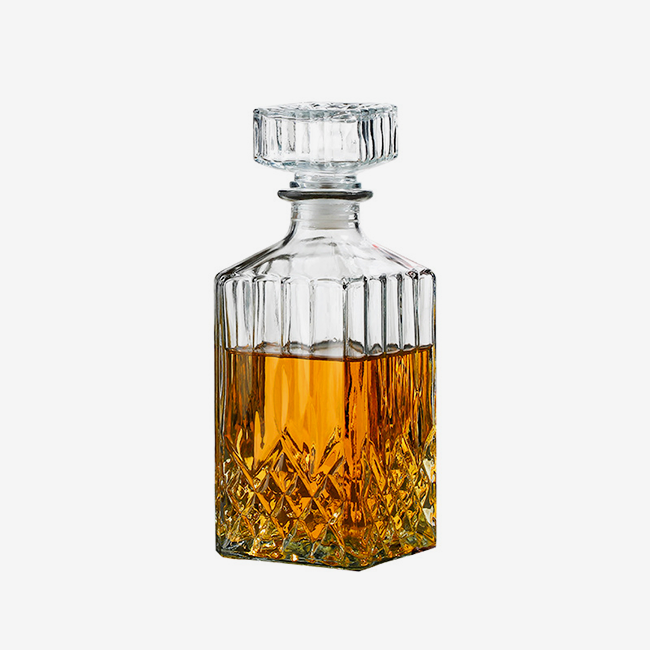
An oval glass wine jar can be used to store wine. In fact, a lot of winemakers, small wineries, and people who like to drink wine at home pick this style over others. There are no chemicals in the oval glass wine jar, so the flavors don't get messed up. This means it can be stored for a short time or fermented for a long time. These unique containers are made from high-quality soda-lime or borosilicate glass. These containers don't let chemicals or changes in taste like plastic or some metal alternatives do. They keep the wine's integrity.
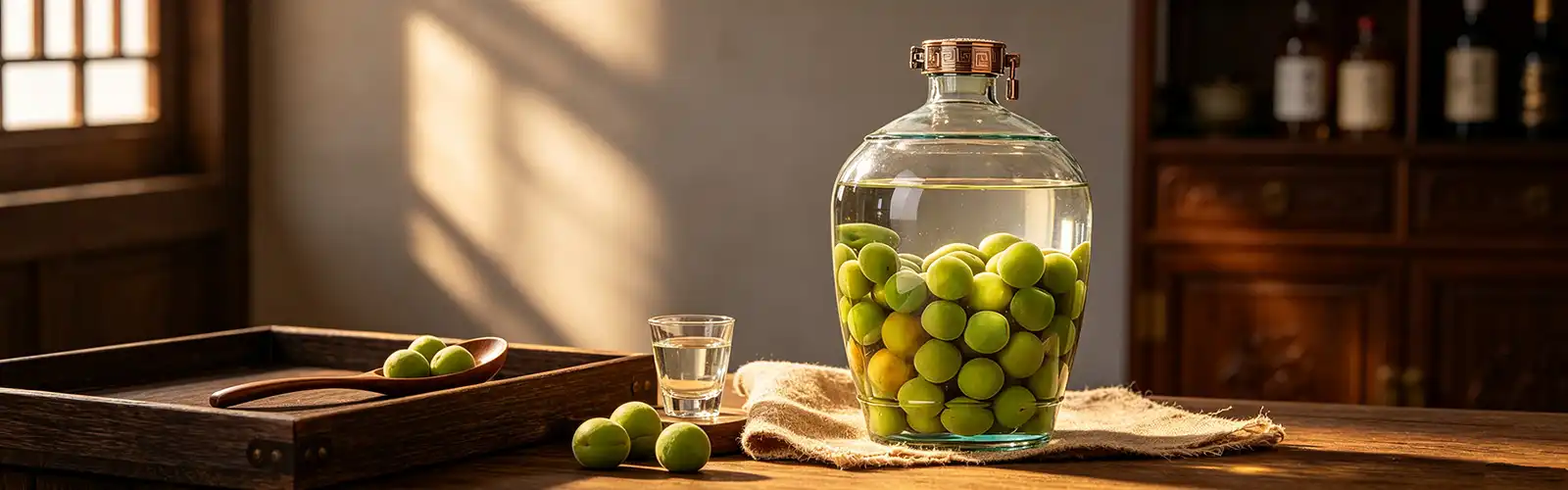
Oval Glass Wine Jars Suitability for Wine Storage
What Makes Oval Jars Different from Traditional Round Bottles?
These vessels are shaped like ellipses for more than one reason, not just to look good. In contrast to cylindrical bottles, oval bottles spread the pressure inside more evenly across their curved surfaces. This means there are not as many places where stress could make the bottle break while it is fermenting. This shape makes the surface area bigger, which makes it look better. It also takes up less room on shelves or in boxes. For these jars to be the same and keep their shape, the blown-glass technique used to make them is very skilled. This is especially important when making fruit wines or wines from traditional grapes that naturally bubble.
Our oval containers at Xuzhou Pinyunyi Glass are made of borosilicate glass, which doesn't break easily when it gets hot or cold. This means that the container won't get tiny cracks from the temperature changes that happen a lot in wine cellars. Winemakers can see how clear the wine is, how the color is changing, and how much sediment is forming without having to touch it. This is very helpful during the key stages of maturation.
Chemical Inertness and Wine Preservation
Because it doesn't change the way alcohol works chemically, glass is still the best way to store wine. There is no lead or cadmium in our oval containers, and they meet FDA and LFGB standards. This chemical neutrality is very important for storing wines that are acidic or have different amounts of alcohol. Between pours, the smooth, non-porous surface keeps oxygen out. With the right lids, these jars are a great place for food to age.
Because it has a Class HGB1 hydrolytic resistance rating, even wine that stays on the surface of the glass for a long time won't damage it. This stability is very helpful for companies that store goods for more than one season. It won't give off weird tastes, metallic notes, or plastic compounds that could make your product less marketable or lower its quality.
Optimal Storage Conditions and Best Practices
You need to think about more than just the containers you use when you store wine this way. Stability at temperatures between 50°F and 59°F (10°C and 15°C) stops oxidation and early aging. These things work well in oval glass wine jars, especially when they are stored flat or at a slight angle to keep the lids moist. Keeping the humidity between 60 and 70% will help the cork stay in place if you're using traditional stoppers.
Light safety is something else to think about. UV light that lasts for a long time can give wines "light strike" off flavors, but our clear jars show off the wine's natural beauty. If you want to add extra protection, keep your storage area out of direct sunlight. You can also look at our customizable options with tinted finishes. The walls of our boats are reinforced and are 4–10 mm thick. They stay warmer when the temperature changes and are more stable inside than thinner glass options because of this.
Comparing Oval Glass Wine Jars with Alternative Containers
Glass Versus Plastic: Durability and Environmental Impact
Making wine in plastic containers might look like a cheap way to save money at first. But they are not good for keeping wine fresh. Polyethylene and other similar polymers let oxygen pass through them. Over time, this makes wine less good. They can also leak BPA and smell things that were inside them before. However, glass is impenetrable and will always protect the product's quality if it is sealed correctly.
Glass is the best material for protecting the environment. As a result of using recycled cullet in its production, Xuzhou Pinyunyi Glass needs less energy to make things. For eco-friendly brands, glass containers are the best choice because they don't break when they get dirty or when they are used over and over again. Messages about sustainability are becoming more and more important in the U.S. market, where the circular economy model fits right in with what people want.
When tested for durability, properly annealed glass is more resistant than most people think to being handled over and over again. As part of our quality control, we use pendulum testers to see how well our vessels can handle being hit. This makes sure they can handle long lines of bottles moving quickly and the shaking that comes with shipping. You have to be more careful when handling glass than with plastic, but its long life and ability to be used over and over again make up for the cost.
Oval Versus Round Glass Containers: Space and Function
Round bottles have been used most of the time because that's how they've always been made, but oval shapes are better for modern operations in many ways. Studies have shown that oval glass wine jars may take up 12–15% less space than cylindrical containers of the same size. This is because they can be stacked more closely on storage racks. Better logistics and lower warehouse costs are directly linked to this level of efficiency.
The oval shape also changes the wine during fermentation. As the day goes on, the uneven radius makes small convection currents that help the wine and any fruit or botanical ingredients that were added stay in contact more consistently. Without using a machine to stir, this natural circulation can help get more flavors out of fruit wines or spirits that have been infused. It is also possible to see different patterns of sedimentation. The longer base concentrates the particles in areas that can be predicted, which makes the process of racking easier.
Our 2500ml (5-jin) and 5000ml (10-jin) sizes are good for both small-batch artisanal production and medium-scale commercial activities. The bigger size keeps the package's weight manageable while lowering the cost of labor per unit for filling and processing. Most craft winemakers use the same amounts of wine in these sizes when they sell at farmers' markets, tasting rooms, and other specialty stores.
You need to know how much you're going to produce and how you're going to distribute it in order to choose the right oval glass wine jar size. It's best for small wineries that want to make limited-edition wines or try out new grape varieties before making bigger batches to use that size of bottle. This much space lets you store useful amounts for consumers (about 3.3 standard 750ml bottles) and lowers the risk if your test blends don't work out as planned. Providers of high-end presentation sets often choose this middle-sized gift box.
Trusted Brands and Suppliers for Oval Glass Wine Jars in the B2B Market
Manufacturing Credentials and Production Capabilities
Almost 100 skilled workers at Xuzhou Pinyunyi Glass Products Co., Ltd. use state-of-the-art tools to make blown glass. A custom order of a few hundred items is a small job for our factory. We also work on big shipments of over 10,000 items. As a business grows, it can add more products, and this scalability works for both new wineries building their brand and established distributors adding more products. Xuzhou Pinyunyi Glass makes oval glass wine jars of high quality to meet the needs of wineries, beverage brands, and distributors who need a reliable source for containers.
We sell a lot of different products that go well with our wine containers. Some of these are bamboo and wood screw-on caps that go with a natural or organic theme, plastic closures that are easy on the wallet, and special airlocks that let you keep an eye on fermentation. By bringing together many suppliers into one relationship, this unified method makes it easier to buy things. This cuts down on the work that needs to be done to coordinate and fix shipping mistakes.
The fact that the company has sent goods to Europe, the US, Australia, South Korea, and Nigeria shows that it can work with different quality standards and rules. Logistics for international shipping are well-established, and there are rules about how to package things so they don't break while being shipped across oceans. The best way to use space is to know how to load containers, which lowers the cost of freight per unit for large orders.
Customization Services for OEM Clients
Partnering with OEMs and making our own brands are growing parts of our business model. We all know that making your packaging stand out from the rest gives you an edge over your competitors in crowded markets. The first thing we do when we work together on a design is learn about your brand's positioning, your target audience, and the store ambience. We'll help you pick the right level of customization whether you're making high-end holiday gift sets or everyday wines for cafés.
Some of the ways the surface can be changed are by sandblasting for matte finishes, gradient color spraying, metallic coatings, and applying decals in more than one color. These tips can help you turn regular containers into one-of-a-kind brand ambassadors that stand out on the shelf. Usually, you have to order at least 1,000 customized versions to go ahead with full-scale production, but we can do smaller runs to see how the market responds first.
When logos are printed, they use inks and curing methods that are safe for food. They can also handle being stored with alcoholic drinks and changes in temperature. You will be given digital mockups that show how your art will look on the real oval surface. So, when production starts, there won't be any bad surprises. Usually, it takes 25 to 30 days from when the art is approved to when the goods are sent out. However, this can change depending on how complicated the decorations are and how busy production is at the time.
Conclusion
Elegant oval glass wine jars are a stylish way to store, ferment, and show off wine because they look good and are useful. They are useful for wineries, beverage brands, and specialty stores that want to attract quality-conscious customers because they are made of borosilicate, which is chemically inert, have a shape that makes good use of space, and can be customized. When picking suppliers, companies with clear quality control procedures, the flexibility to make changes, and the right amount of export experience should be given more weight. If you take good care of your vessel, it will last longer and protect the quality and reputation of your product. As being eco-friendly and standing out visually become more important in competitive markets, these specialized containers offer measurable benefits that should be carefully thought through before making a purchase.
FAQs
Can oval jars withstand the pressure from naturally carbonated wines?
Pressure tolerance is based on the glass type and how thick the wall is. Our containers are made for industrial use and have been tested up to 3 to 5 bars. They can hold fruit wines and wines with a moderate amount of carbonation. When the pressure of a product gets close to champagne level, it may need stronger designs. If you tell our technical team about your application, we can give you the right specs or make a solution just for you that will meet your carbonation needs.
How does the oval shape affect sediment management during aging?
With a long base, sediment covers more surface area than with a narrow round bottle. This can make removal easier or harder, depending on the method used. It works well for many winemakers to tilt oval jars to get rid of particles so they can be racked cleanly. The best thing about it is that it's clear. Because it has a wide profile, you can see where sediment is building up without moving the boat. This lets you pick the best time to do procedures to clear the water.
What closure types work best with these jars?
Different types of cork stoppers, synthetic closures, glass stoppers with gaskets, and screw caps can be used with our standard mouth sizes. To make sure that all the points of contact are the same, the sealing surface is finished with great care. To keep air out during fermentation, rubber grommets can be put into drilled caps or special fermentation lids. For each jar size, we give you technical information that makes it easy to find the right lids from the suppliers you pick. Alternatively, we can include the right lids as part of our full packaging services.
Partner with Xuzhou Pinyunyi Glass for Premium Wine Packaging Solutions
Xuzhou Pinyunyi Glass makes oval glass wine jars of high quality to meet the needs of wineries, beverage brands, and distributors who need a reliable source for containers. Our borosilicate containers for 2500ml and 5000ml are strong and beautiful. We have them in stock and can ship them right away. We have been making things for a long time and have customers from all over the world. We offer full customization options, such as printing your logo, treating the surface, and making molds, to help your brand stand out. There is strict quality control on every item to make sure it is safe for food, strong enough to hold pressure, and the right size. Whether you're expanding your line of fruit wines, adding more craft spirits, or putting together holiday gift boxes, our team can help you with the whole buying process. You can talk about your needs and get samples by emailing us at 18168782056@163.com or visiting www.pyyglassware.com. Because we want you to succeed, we offer low prices, a range of order sizes, and quick customer service.
References
- Johnson, M. R. (2021). Modern Wine Storage: Materials, Methods, and Quality Preservation. Beverage Science Press.
- Anderson, K. L., & Chen, W. (2020). "Comparative Analysis of Glass Composition Effects on Wine Aging." Journal of Enology and Viticulture, 45(3), 112-128.
- Thompson, S. D. (2022). Container Design and Wine Quality: Engineering Considerations for Small-Scale Producers. Artisan Beverage Publications.
- Roberts, E. A. (2019). "Thermal Shock Resistance in Borosilicate Glass: Applications for Alcoholic Beverage Storage." Materials Science Quarterly, 18(2), 67-82.
- Williams, P. T., & Martinez, J. (2023). Sustainable Packaging Solutions for the Craft Beverage Industry. Green Production Institute.
- Chang, H. Y. (2020). "Sediment Behavior in Non-Cylindrical Wine Vessels: A Comparative Study." International Winemaking Technology Review, 12(4), 201-215.
Learn about our latest products and discounts through SMS or email