- English
- French
- German
- Portuguese
- Spanish
- Russian
- Japanese
- Korean
- Arabic
- Greek
- German
- Turkish
- Italian
- Danish
- Romanian
- Indonesian
- Czech
- Afrikaans
- Swedish
- Polish
- Basque
- Catalan
- Esperanto
- Hindi
- Lao
- Albanian
- Amharic
- Armenian
- Azerbaijani
- Belarusian
- Bengali
- Bosnian
- Bulgarian
- Cebuano
- Chichewa
- Corsican
- Croatian
- Dutch
- Estonian
- Filipino
- Finnish
- Frisian
- Galician
- Georgian
- Gujarati
- Haitian
- Hausa
- Hawaiian
- Hebrew
- Hmong
- Hungarian
- Icelandic
- Igbo
- Javanese
- Kannada
- Kazakh
- Khmer
- Kurdish
- Kyrgyz
- Latin
- Latvian
- Lithuanian
- Luxembou..
- Macedonian
- Malagasy
- Malay
- Malayalam
- Maltese
- Maori
- Marathi
- Mongolian
- Burmese
- Nepali
- Norwegian
- Pashto
- Persian
- Punjabi
- Serbian
- Sesotho
- Sinhala
- Slovak
- Slovenian
- Somali
- Samoan
- Scots Gaelic
- Shona
- Sindhi
- Sundanese
- Swahili
- Tajik
- Tamil
- Telugu
- Thai
- Ukrainian
- Urdu
- Uzbek
- Vietnamese
- Welsh
- Xhosa
- Yiddish
- Yoruba
- Zulu
What are the benefits of using a glass juice dispenser with base?
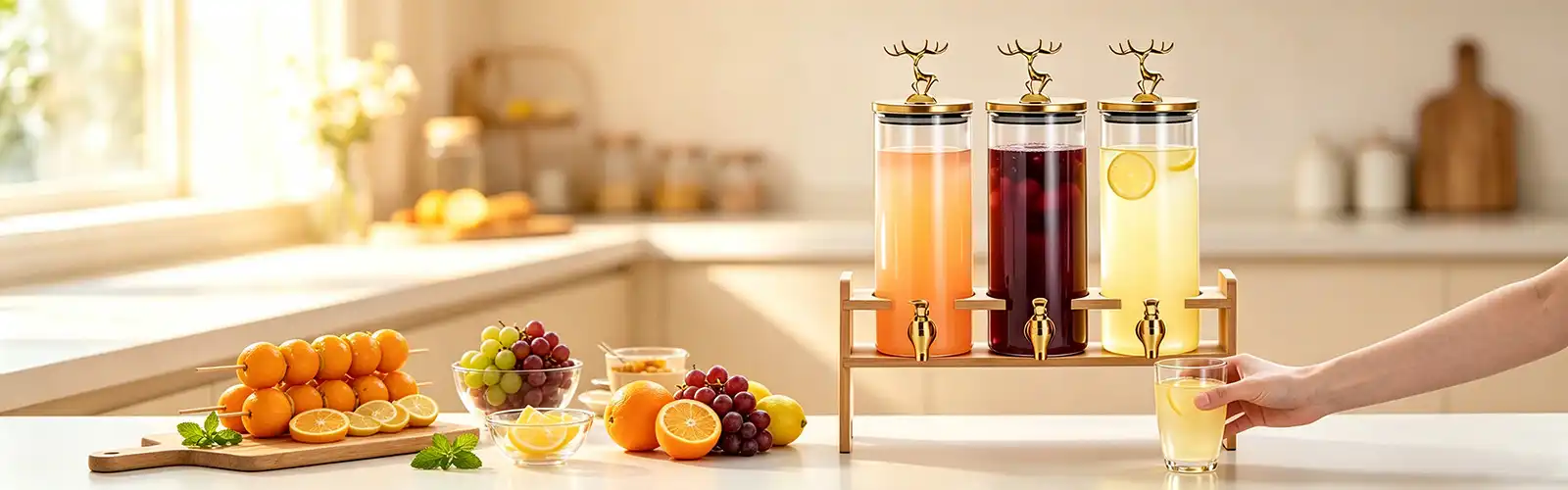
When looking at equipment for serving drinks, the glass juice dispenser with base stands out as a unique solution made to meet important business needs. This system combines a clear, food-grade glass container with a carefully planned raised surface, making it much better than regular beverage containers. The base part fixes problems that keep coming up, like glassware not fitting properly, damage from condensation on the surface, and unstable vessels while they're in use. This dispenser doesn't leach chemicals like some plastic alternatives do because it's made of high-clarity glass and has a specially designed spigot and base. It also keeps the taste and smell of high-end drinks. Hotels, food services, and corporate offices need to make sure they choose the right dispenser because safety, cleanliness, and brand image all affect customer happiness and choices to buy.
Understanding Glass Juice Dispensers with Base
What Makes This Design Unique
A glass juice dispenser with base is a useful improvement in business drinkware. Unlike most carafes, which sit directly on serving surfaces, this one has a platform that raises the container. The platform is usually made of stainless steel, brushed metal, or decorative metals with matte black and gold accents. Besides looking nice, the base does more than just look nice. It keeps the structure stable and makes room for cups and glasses under the dispenser.
High borosilicate glass jars are used in modern designs because they are more resistant to temperature shock and chemical instability than soda-lime glass. The composition of the material meets ISO 4802 standards, which makes sure that the quality is the same from one production batch to the next. This technical detail is especially important when the temperature of the dispenser changes a lot or when it comes into contact with acidic drinks made from citrus fruits. The production method of injection-blown glass makes walls that are all the same thickness, which is usually between 3mm and 5mm. This directly affects how resistant the glass is to impact and how long it lasts.
Capacity and Configuration Options
Choosing the right capacity is a key part of making sure that the machine works well and meets business needs. Usually, the following are available volumes:
- 0.5L units: Great for small meetings, executive offices, or sampling tables where drinks need to be refilled often to keep them fresh.
- 1L configurations: Perfect for small hotels, café counters and speciality food stores that need to serve a moderate number of customers.
- 2.5L systems: The most flexible choice for food lines, company events, and catering businesses that need to balance weight with capacity.
- 5L dispensers: Made for places with a lot of foot traffic, wedding receptions, and other large-scale hospitality settings that need longer service times.
The 2.5-liter capacity is the best balance for most business-to-business uses. It holds enough food for 15 to 20 guests and is still light enough for staff to safely handle while cleaning and restocking. This middle-of-the-road size also fits standard refrigerator dimensions, so you can store things cold without having to buy special tools.
Material Specifications and Certifications
Certified materials that meet international safety standards are the first step in building something of quality. Borosilicate glass that is certified to FDA, LFGB, REACH, and ROHS compliance standards is used in professional-grade dispensers. This makes sure that they meet regulatory requirements in both North America and Europe. The base parts are made of stainless steel, which doesn't rust and keeps its shape even in damp places or after being exposed to cleaning chemicals many times.
Base finishes go beyond what's needed for functionality to support the look of the brand. Brushed metal surfaces give off a modern, sophisticated vibe that works well in modern hospitality settings, while matte black finishes go well with the simple design styles that are popular in high-end venues. Gold accent choices are available for high-end businesses that want to strengthen their premium brand image through coordinated serviceware details.
Core Benefits of Using a Glass Juice Dispenser with Base
Enhanced Stability and Safety Features
In commercial beverage service, operational safety is very important because accidents directly lead to liability issues and service interruptions. This problem is solved by the glass juice dispenser with base and its raised design's center-of-gravity engineering, which keeps the ships from falling over even when they are almost empty. Protocols for testing make sure that the stability is maintained with no more than a 0.5 mm variation in the plane. This stops any vibrations that might happen during pouring and cause spills or customer concerns.
The base also keeps the serving surfaces safe from damage caused by condensation, which happens a lot when cold drinks touch wood, cloths, or finished tabletop. The platform makes an air gap between the vessel and the surface so that water can evaporate naturally, without leaving water rings or breaking down the material. This seemingly small thing lowers the cost of repairs and makes expensive furniture and equipment last longer in hotel settings.
Superior Hygiene and Maintenance Advantages
There are inherent hygiene benefits to glass that plastic materials can't match. The surface isn't porous, so bacteria can't grow on it, and flavours don't get absorbed, which lowers the quality of the drink over time. When combined with base parts that can be taken off and spigots made of precision-engineered 304 stainless steel, cleaning is easy and thorough. By taking things apart, you can get to all the touch areas, getting rid of any secret places where biofilm could grow.
Borosilicate glass can handle high temperatures for cleaning without breaking because it is resistant to thermal shock. Vessels can handle sudden temperature changes of up to 40°C, which lets them go from being stored in the fridge to being cleaned in hot water, which is necessary for keeping food safe in regulated commercial settings. This durability also makes it compatible with dishwashers, which speeds up the cleaning process during busy service times.
Visual Appeal and Brand Reinforcement
When it comes to presenting drinks, transparency is both useful and good for business. The clear glass construction lets guests see the colours of the drinks and the ingredients, which lets them know that the food is fresh and of high quality. When the dispenser is full of colourful fruit juices, herbal-infused waters or layered speciality drinks, it turns into an active marketing tool that encourages people to drink and supports the expensive image.
The modern style fits in with current trends in hospitality design, which value natural materials and simple elegance. The simple shapes and high-quality base finishes go well with a wide range of interior styles, from country farmhouses to modern offices. Custom logo printing is possible on both glassware and packaging, so brand owners can extend their identity across all of their serviceware. This creates a consistent visual experience that makes it easier for customers to recognise and understand the value of their products.
Versatility Across Applications and Beverages
Quality pitchers are worth the money because they can be used in a variety of ways. The same machine works well for serving juice at breakfast buffets, infused water stations in the afternoon, wine displays in the evening or speciality drink displays at events. When stored in the fridge with other foods, the sealed design and proper lid configuration keep the integrity of the beverage throughout the service period.
How well a spigot works determines what kinds of liquids it can hold, from thin fruit juices to slightly thick health drinks. Professional models have anti-clogging features and the right valve size to keep flow rates constant, no matter how thick the beverage is. Because it can be used in different ways, the dispenser is good for small businesses that make artisanal drinks like kombucha, cold-brew tea, or enzyme drinks that need to be in contact with non-reactive materials for a long time.
Best Practices and Safety Tips for Maximizing Your Dispenser
Proper Handling and Placement Strategies
Even though they are built to last, the glass juice dispenser with base needs to be properly maintained to get the most use out of it. Placing things on stable, level surfaces keeps stress from building up and causing cracks. Avoid placing near traffic flow paths where accidents could happen, and make sure there is enough space between the counter edges to keep them from moving by accident.
To avoid heat shock when filling vessels, let cold units reach room temperature before adding hot liquids, and hot liquids should reach room temperature before adding cold units. Borosilicate glass also has thermal stress limits, but these are higher than what you would normally use it for. When dispensers move between refrigerated storage and ambient service environments several times a day, the gradual temperature transition practice becomes even more important.
Comprehensive Cleaning and Maintenance Protocols
Cleaning on a regular basis keeps both hygiene standards and the visual clarity that is needed for a good presentation. As part of daily routines, all spigot parts should be taken apart, allowing access to valve chambers where residue builds up. Food-safe disinfectants or hot water can get rid of biofilm without leaving behind chemicals that might change the taste of the drink.
Hard water layers are a common problem when it comes to maintaining glass because they make it cloudy, which makes it look less nice. Mineral buildup can be removed by treating glass surfaces or metal parts on a regular basis with weak white vinegar or citric acid solutions. Rinsing well gets rid of any cleaning agent leftovers that might add bad tastes to later runs of drinks.
To keep the finish quality high, you have to pay extra attention to the stainless steel base. Stainless steel cleaners can be used on brushed metal surfaces once in a while to get rid of fingerprints and restore a uniform look. Instead of rough cleaning pads that could damage protection finishes, use microfibre cloths to clean without scratching the surface.
Storage and Seasonal Considerations
Proper storage saves the value of an investment during slow times or yearly closes. Keep containers in safe places away from high temperatures, with enough padding to keep glass from touching metal or glass, which could cause chips. Make sure that everything is completely dry before putting it away to stop mineral deposits or smells caused by wetness from developing.
Take apart spigot parts and store them separately. This lets air flow and keeps the gasket from wearing out. A light layer of food-grade mineral oil on silicone seals helps them stay flexible during long-term storage, making sure they close properly when the units are put back into service. This preventative maintenance makes parts last longer and stops leaks that could mess up plans for reopening.
Conclusion
The decision to use a glass juice dispenser with base is a smart investment that goes beyond meeting basic functional needs. With its food-grade borosilicate glass construction, stability-improving elevation platforms, and flexible design options, this equipment meets both operational needs and marketing goals at the same time. Safety features lower the risk of liability, and clean materials and designs that are easy to maintain help with following the rules and maintaining quality. The high-end presentation quality supports the brand's positioning and supports the prices that are needed for hospitality businesses to make money. Businesses in the hospitality, catering, and corporate sectors can use these dispensers to improve the quality of their beverage service and get a clear return on their equipment investments by carefully choosing their suppliers, matching capacity to needs, and following the right operational procedures.
FAQ
What cleaning methods work best for dispensers with bases?
Take the whole spigot assembly apart and soak the parts in high-temperature water or a food-safe peracetic acid solution to get rid of the biofilm that is on the valve chambers. Use warm water and a gentle cleanser to clean the glass vessel. Do not use rough materials that could scratch the surface. To keep the finish's quality without damaging the surface, the stainless steel base needs to be cleaned separately with a cleaner made just for stainless steel and microfibre cloths.
How do metal and plastic bases differ in performance?
Stainless steel bases are stronger than plastic ones when it comes to tensile strength, and they don't crack under high-frequency use like plastic bases do. Building something out of metal makes it more stable for big ships and keeps its look longer in business settings. Plastic bases reduce initial costs and total weight but may degrade faster when exposed to cleaning chemicals and temperature changes typical in dining settings.
Can dispensers accommodate custom branding for corporate use?
Custom branding is possible with logo printing because of advanced processing methods like stickers, heat transfer, and baking methods that make pictures that can stand up to being washed in the dishwasher. When a company has its own design team, it can come up with unique vessel shapes and base configurations that set business shows apart. When you order custom branding, you usually need to buy at least 500 units. When you buy more, you save money, which helps your product line grow over time.
Partner with Xuzhou Pinyunyi Glass for Premium Beverage Dispensers
Xuzhou Pinyunyi Glass Products Co., Ltd. delivers manufacturing excellence through nearly 100 skilled professionals operating state-of-the-art injection-blown glass equipment. Our dispensers hold 2.5 litres and have FDA-approved borosilicate glass cups and bases made of precision-engineered stainless steel that come in brushed metal, matte black, and gold accent finishes. As a reliable glass juice dispenser with base provider, we offer full customisation, such as name printing, custom mould development, and bulk price structures that are best for buying in bulk. We have developed export relationships in both North America and Europe, which shows that we can meet foreign quality standards and delivery times. Get in touch with our purchasing experts at 18168782056@163.com to talk about special deals for large orders, technical details, and customisation choices that fit your needs. Visit www.pyyglassware.com to see our full line of products and learn how our glassware solutions improve the look of your brand while also providing measurable operational value.
References
- Johnson, M. R. (2021). Commercial Beverage Equipment: Selection and Maintenance Standards for Hospitality Operations. Culinary Institute Press.
- Anderson, L. K., & Chen, W. (2020). Material Science in Food Service Equipment: Comparative Analysis of Glass, Plastic, and Metal Contact Surfaces. Journal of Hospitality Engineering, 15(3), 287-304.
- National Restaurant Association. (2022). Equipment Procurement Guidelines for Food and Beverage Service Establishments. NRA Educational Foundation.
- Reynolds, P. T. (2023). Sustainable Sourcing in Commercial Glassware: Environmental and Economic Considerations. International Journal of Hospitality Management, 42(1), 118-135.
- European Food Safety Authority. (2021). Safety Assessment of Food Contact Materials: Glass and Ceramic Compliance Standards. EFSA Technical Report Series, No. 847.
- Miller, D. S., & Thompson, K. A. (2022). Beverage Presentation and Consumer Perception: The Role of Serviceware in Premium Positioning. Hospitality Marketing Research Institute.
Learn about our latest products and discounts through SMS or email