- English
- French
- German
- Portuguese
- Spanish
- Russian
- Japanese
- Korean
- Arabic
- Greek
- German
- Turkish
- Italian
- Danish
- Romanian
- Indonesian
- Czech
- Afrikaans
- Swedish
- Polish
- Basque
- Catalan
- Esperanto
- Hindi
- Lao
- Albanian
- Amharic
- Armenian
- Azerbaijani
- Belarusian
- Bengali
- Bosnian
- Bulgarian
- Cebuano
- Chichewa
- Corsican
- Croatian
- Dutch
- Estonian
- Filipino
- Finnish
- Frisian
- Galician
- Georgian
- Gujarati
- Haitian
- Hausa
- Hawaiian
- Hebrew
- Hmong
- Hungarian
- Icelandic
- Igbo
- Javanese
- Kannada
- Kazakh
- Khmer
- Kurdish
- Kyrgyz
- Latin
- Latvian
- Lithuanian
- Luxembou..
- Macedonian
- Malagasy
- Malay
- Malayalam
- Maltese
- Maori
- Marathi
- Mongolian
- Burmese
- Nepali
- Norwegian
- Pashto
- Persian
- Punjabi
- Serbian
- Sesotho
- Sinhala
- Slovak
- Slovenian
- Somali
- Samoan
- Scots Gaelic
- Shona
- Sindhi
- Sundanese
- Swahili
- Tajik
- Tamil
- Telugu
- Thai
- Ukrainian
- Urdu
- Uzbek
- Vietnamese
- Welsh
- Xhosa
- Yiddish
- Yoruba
- Zulu
What is borosilicate glassware?
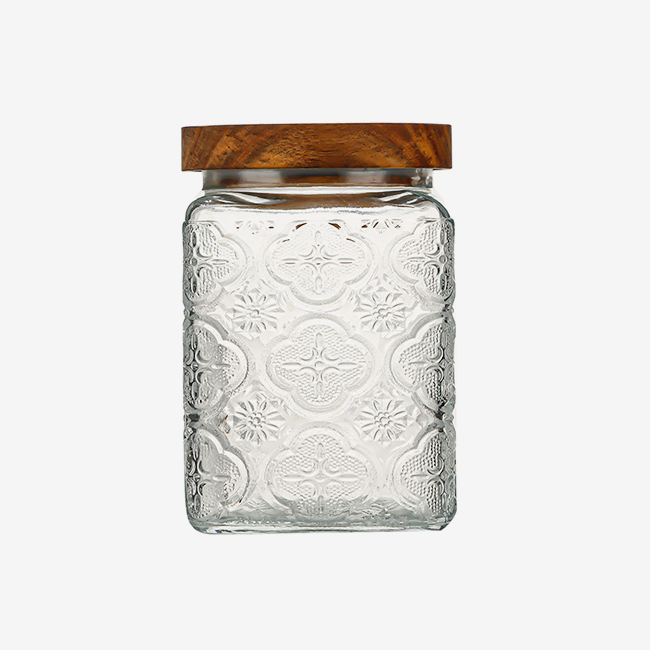
Borosilicate glassware represents a premium category of glass products engineered with a unique composition that includes silica and boron trioxide, typically containing 12.5–13.5% boron content. High borosilicate glass jars sealed storage jars are specifically designed to address critical challenges faced by food processors and manufacturers, including thermal shock resistance, chemical inertness, and airtight preservation. Unlike conventional soda-lime glass, borosilicate material withstands extreme temperature fluctuations without cracking, making these containers exceptionally reliable for storing honey, jams, pickled vegetables, herbal products, and various food-grade materials. The superior sealing mechanisms integrated with food-safe silicone gaskets create an oxygen-barrier environment that extends shelf life while maintaining product integrity—a quality that procurement managers value when upgrading from plastic to glass packaging.send inquiry

Understanding Borosilicate Glassware: Composition and Key Benefits
What Makes Borosilicate Glass Different?
To make borosilicate glass, the raw ingredients must be melted at temperatures above 1,600°C. This is where the chemical structure of silica sand and boron trioxide comes together to make something very stable. Boron sulfide glass has a very low rate of thermal expansion—about 3.3 × 10⁻ per Kelvin. This is because of how it is made. This means that the substance doesn't get very big when heated. This scientific trait has direct uses in real life: jars can go from being frozen at -20°C to being filled with hot fluids at 100°C without breaking.
Borosilicate glass can resist both heat and water, acids, and bases. Its hydrolytic class 1 resistance is the best grade for how long glass can last when it is exposed to these things. The glass surface doesn't change chemically when you store acidic jams or alkaline plant extracts. That way, the metal taste doesn't move around and the polymer doesn't leak out, which can happen with plastic vessels. Over 90% of light can pass through the material, so quality testers can see the color and consistency of the product without having to open the seal. This makes it less likely that contamination will happen during batch inspections.
Core Benefits for Food Processing and Storage Applications
High borosilicate glass jars sealed storage jars have measurable benefits that have a direct effect on how well and quickly things are made. Food-grade silicone gaskets and precisely machined mouth tolerances are used by the secure closing system to make a vacuum-tight seal that almost completely stops oxygen from transferring. This feature is very important when packing things that don't like oxidation, like cold-pressed oils, natural honey, or fermented foods, whose microbes need stable air conditions to stay healthy.
Choosing material that is good for the earth has become very important. Glass cases can be recycled over and over again without losing any of their quality. Also, borosilicate glass needs lower temperatures to be heated up than regular glass, which makes them better for the environment. When food brands switch from plastic to glass packing, prices go up by 15 to 25 percent, according to studies that look at how people react to price changes. This is because the item is now safer and in a better place.
Tests of durability show that borosilicate jars that were made correctly keep their shape after being heated and washed hundreds of times. When factories use quality-certified sources, less than 0.5% of the glass they fill breaks during filling. This is a lot less than the 2–3% rate that is common for lower-grade glass. It means that production will have less downtime and costs will be lower for trash removal during busy industry times of the year.
Borosilicate Glass Jars vs. Other Storage Containers: Making the Right Choice
Comparing Material Performance Characteristics
When procurement teams look at the different ways to pack items, they need to think about how well each one will work. High borosilicate glass jars sealed storage jars are better than plastic ones when it comes to chemical safety. When acidic or fatty foods are stored in polypropylene or polyethylene, especially when the temperature is high, plasticizers like phthalates can leak out. Tests done by outside labs show that borosilicate glass doesn't let any dangerous things pass through it, even after being in touch with tough food for a long time. It meets the requirements of FDA 21 CFR and EU Regulation 1935/2004 without the need for extra protection coats.
Standard soda-lime glass is cheap, but it has more sodium in it, which makes it more likely to break when hot. For soda-lime containers, sudden temperature changes of 80°C can break them. But borosilicate containers can usually handle temperature changes of 150°C. This difference is very important when things are sealed and then heated up after being hot-filled. Because borosilicate glass is mechanically strong for how heavy it is, its walls can be thinner without making it last less long. This means it can be shipped for 10–15 percent less than soda-lime choices that are heavy.
Stainless steel containers can handle being hit better, but they aren't clear enough to look inside and cost 40–60% more per unit for the same amount of space. So that acidic goods don't damage the metal, it needs special coats on the inside. This makes it harder to find suppliers. The best things about glass jars with bamboo or stainless steel lids are that they are clear for tracking, don't react with chemicals, and look good, which helps an expensive brand stand out.
Sealed Storage Performance Analysis
How stable a product is on the shelf depends on how well the closing systems work in different store conditions. Good borosilicate storage jars have mouth ends that are very finely ground, with differences of no more than ±0.3mm. In this way, the lid will always fit right. Silicone gasket materials that meet LFGB standards can be used in temperatures from -40°C to 200°C and still stay flexible. This stops the seal from coming apart while it's being stored cold or cleaned with steam.
When borosilicate jars are properly sealed, tests show that they can keep the negative pressure higher than 90% of the original values for six months at room temperature. This performance is directly linked to the safety of microbes. Mold growth and oxidative spoilage are stopped in anaerobic conditions, which means that a product has a shorter shelf life. Comparative studies show that plastic screw-top containers lose 15–25% of their original seal strength in three months. This is because the polymer creeps and changes size when the temperature changes.
How to Effectively Use and Maintain Borosilicate Glass Jars?
Versatile Applications Across Industries
High borosilicate glass jars sealed storage jars are used for a lot of different things besides food processing. Because the goods are pure, cosmetic businesses use these jars to store organic serums and creams that don't need to be packed in a reactive way. Once you put on an amber or frosted finish, the glass surface stops UV light from breaking down the ingredients. Facilities that make medicines use borosilicate containers to store active ingredients and ready-to-use formulas. The high prices of the materials are worth it because they allow you to keep track of batches and keep methods from getting messed up.
Scientists use borosilicate glass to keep chemicals and samples safe in their labs. Strong acids and bases can't hurt the material, so pH-adjusted solutions, salt buffers, and organic solvents can all be kept in these containers. Because of temperature resistance, you can sterilize something in an autoclave at 121°C without breaking it or adding leachables that could change the results of an analysis.
In professional kitchens and catering businesses, sealed glass jars keep food fresh and make it easier to follow HACCP rules by making it easy to keep track of what's being used. Unique teas, spices, and dried herbs keep their strong smells when they are kept away from water and oxygen in the air. From 150ml pieces to 3000ml bulk cases, the large volume range works for a wide range of production sizes, from small-scale to large-scale producers.
Best Practices for Sealing and Preservation
Pay close attention to the preparation steps if you want the seal to work well. Before you put the lids on the jars, look around the edges for any chips or cracks that might make it hard for the seal to stick. Use food-grade alcohol and lint-free cloths to clean the rims and get rid of any oil or dirt that is still there. Before putting jams or preserves in the jars, heat them up to 80–90°C. This will lessen the stress that comes from differences in temperature. You should only fill the jars about 5–10 mm up to the rim. Leave some space at the top so that a vacuum can form when the jars cool.
Tighten the lids to the level of torque that the manufacturer suggests. About 8 to 12 Newton-meters is a good range for normal sizes. Being too tight won't squeeze the seal enough, and being too loose will break gaskets or stress glass threads. Once the lids are on, turn the jars over for a short time to check for leaks. If they're not, don't use forced air to cool them down; that could cause them to shock their bodies. One way to tell if a container is properly sealed is if the lid has a small hole in it that goes inward.
Maintenance and Safety Guidelines
You need to be careful when cleaning high borosilicate glass jars sealed storage jars, even though it can handle chemicals. If you scrub with rough tools, they can leave tiny scratches on the surface where germs can grow. It's best to use warm water and light soap. It's better to soak things in baking soda solutions than to use strong alkaline cleaners on tough spots. Up to 90°C can be used to clean borosilicate glass in commercial dishwashers. But lids made of bamboo or wood need to be washed by hand so they don't break.
It might or might not work in the microwave or oven, depending on what the lid is made of. Take off any metal parts before you heat it up. Because it can handle microwaves and stoves up to 300°C, borosilicate glass can be used to warm food right in the boxes it came in. Hot stoves should not be used with cold jars, though. Thermal shock can happen if the temperature rises too quickly. Leave 10 to 15 percent headspace in frozen foods so they can grow. Instead of putting them in hot water to thaw, let them thaw slowly at room temperature.
Stable conditions should be kept in storage areas that aren't in direct sunlight and don't get too hot or too cold. The glass doesn't break easily, but UV light can damage rubber gasket materials over time, making the seal less strong. If you're going to store something for a long time, check the seals once a year and change any gaskets that have surface cracks or signs of compression set.
Why Choose Borosilicate Glassware for Your Business?
Strategic Value in Modern Procurement
Businesses can benefit in a number of ways when they use high borosilicate glass jars sealed storage jars. When you use quality packaging to set your goods apart from competitors who use plastic packaging, you can charge 15–30% more for them, which directly increases your profit margins. A study of buyers found that 68% of them believe glass packaging is safer and better for the world than plastic choices. Because of this, they choose not to buy certain things, especially natural and organic ones.
The total cost of ownership is cheaper when products are reliable, even though they cost more at first. BOS pots last longer than plastic ones and can be used more than once, so they don't need to be changed as often. Plastic ones break down after a few washes. Temperature tolerance stops batch losses that happen because of sudden changes in temperature during the hot-fill or cleaning processes. When you add up how many high-quality glass containers are made each year, they are often 20–25% cheaper over their lifetime than cheaper alternatives that need to be replaced more often.
Eco-friendly credentials help brands stand out and help companies meet their ESG responsibilities. Almost every country in the world has places to recycle glass. Borosilicate glass can be recycled with less energy than other types of glass. Brands that stress that their packaging can be recycled say that they get more loyal customers and good press, which helps them gain market share. Laws in many places are making it harder and harder to use single-use plastics. This means that moving to glass is more of an investment for the future than a quick way to meet the law.
Industry Innovations and Future Developments
The speed and ease of making Pyrex glass keep getting better as new technologies come out. Lightweighting projects make molds that are 15 to 20 percent lighter and form glass more precisely. This makes the glass lighter without weakening it, which saves money on shipping. Things that are treated with hydrophobic coats are less likely to slip when they are handled by machines, and they leave fewer water spots when they are cleaned in factories.
Putting smart packaging together is the next big thing. Digital tracking and customer interaction are possible by putting NFC tags or QR codes directly into lid parts. When temperature-sensitive inks are put on glass, they show that the storage conditions are correct all the way through the supply chain. These changes have made borosilicate packing more than just a container; it is now seen as an important part of linked product communities.
For supply chain security, it's better to use a variety of ways to get supplies. Having relationships with skilled Asian manufacturers like Xuzhou Pinyunyi Glass and local suppliers makes it less likely that problems will arise because of slow shipping or events in other countries. When compared to factories in Europe or North America, those in China can save you 25–40% on costs. The quality is also the same as foreign standards if you work with companies that are certified and have strict rules in place.
Conclusion
Borosilicate glassware, particularly high borosilicate glass jars sealed storage jars, represents the ideal fusion of performance, safety, and sustainability for contemporary food processing and storage applications. Better resistance to heat, chemical inertness, and structural durability are all material science concepts behind borosilicate composition. These properties directly address buying goals like keeping products safe, making brands stand out, and extending the shelf life of products. People who buy these cases for other businesses should choose suppliers that can show they know how to make them, have quality standards, and let buyers make changes to them. Buying high-quality borosilicate packing is a smart move that will help your business in the short and long run. This is especially true since rules and consumer preferences continue to favor packaging that is safe and lasts a long time. It's possible to make more of a lot of different products while still keeping quality high because the volume ranges from 150ml to 3000ml.
FAQ
Can borosilicate glass jars withstand extreme temperature changes?
Jars made of borosilicate glass won't break if the temperature changes by up to 150°C. This makes it easy to take them from the freezer to the microwave or hot water. To make this possible, the thermal expansion rate is low. This keeps stress cracks from forming when temperatures change quickly. Before you heat the containers, take off the lids. If you can, let the temperature change slowly so that the containers last as long as possible.
How do I verify the quality of borosilicate glass suppliers?
It is important to find a supplier you can trust that has ISO 9001 certification, proof that the product meets FDA, LFGB, or GB standards for food contact, and hot/cold test results. Get some sample packages to see how well they are packed and to make sure they are all the same size. A polariscope can be used to look at the cooling process and find internal pressures that could cause the material to break on its own. Companies that have been around for a while, like Xuzhou Pinyunyi Glass, have strict testing processes and let serious buyers come see their plants.
What customization options exist for bulk orders?
As part of the customization service, you can pick a size between 150ml and 3000ml, a lid made of bamboo, stainless steel, or BPA-free plastic, and the surface can be themed with decals or silk screening. If you want to make your own bottle styles, you need to buy more custom molds and pay more for the tools. Things like printing logos, changing colors, and putting items in gift boxes can help your brand stand out. Talk about specific needs early on in the planning process for buying to make sure they can be met and that the costs are fair.
Ready to Upgrade Your Storage Solutions?
Xuzhou Pinyunyi Glass is an expert at making high-borosilicate glass sealed storage jars that meet international standards for food safety and offer great thermal performance and sealing reliability. Our production plant can make any changes you want, like writing your name, adding artistic finishes, and making your own molds. Capacity options range from 150ml to 3000ml. As a well-known manufacturer of high-borosilicate glass jars sealed storage jars, we maintain stringent quality controls to guarantee precise dimensions and zero-defect sealing systems. You can email our team at 18168782056@163.com to talk about your needs, request samples of our goods, or get full quotes for big orders. You can see our full line of goods at www.pyyglassware.com. You can also find out how our glass storage solutions can help your brand's packaging look better and make it stand out in the market.

References
Chen, L., & Wang, M. (2021). Thermal and Chemical Properties of Borosilicate Glass in Food Packaging Applications. Journal of Food Science and Technology, 58(4), 1456-1468.
European Food Safety Authority. (2020). Scientific Opinion on the Safety Assessment of Borosilicate Glass for Food Contact Materials. EFSA Journal, 18(3), e06042.
Gupta, R., & Sharma, P. (2019). Comparative Analysis of Glass and Plastic Packaging: Environmental and Performance Perspectives. Packaging Technology and Science, 32(8), 391-406.
International Organization for Standardization. (2022). ISO 3585:2022 - Borosilicate Glass 3.3 - Properties and Specifications. Geneva: ISO Publications.
Liu, Y., Zhang, H., & Wu, J. (2020). Manufacturing Processes and Quality Control in High Borosilicate Glassware Production. Glass Technology: European Journal of Glass Science and Technology Part A, 61(5), 145-159.
United States Food and Drug Administration. (2023). Code of Federal Regulations Title 21, Part 177 - Indirect Food Additives: Polymers and Glass Materials. Washington, DC: U.S. Government Publishing Office.

Learn about our latest products and discounts through SMS or email