- English
- French
- German
- Portuguese
- Spanish
- Russian
- Japanese
- Korean
- Arabic
- Greek
- German
- Turkish
- Italian
- Danish
- Romanian
- Indonesian
- Czech
- Afrikaans
- Swedish
- Polish
- Basque
- Catalan
- Esperanto
- Hindi
- Lao
- Albanian
- Amharic
- Armenian
- Azerbaijani
- Belarusian
- Bengali
- Bosnian
- Bulgarian
- Cebuano
- Chichewa
- Corsican
- Croatian
- Dutch
- Estonian
- Filipino
- Finnish
- Frisian
- Galician
- Georgian
- Gujarati
- Haitian
- Hausa
- Hawaiian
- Hebrew
- Hmong
- Hungarian
- Icelandic
- Igbo
- Javanese
- Kannada
- Kazakh
- Khmer
- Kurdish
- Kyrgyz
- Latin
- Latvian
- Lithuanian
- Luxembou..
- Macedonian
- Malagasy
- Malay
- Malayalam
- Maltese
- Maori
- Marathi
- Mongolian
- Burmese
- Nepali
- Norwegian
- Pashto
- Persian
- Punjabi
- Serbian
- Sesotho
- Sinhala
- Slovak
- Slovenian
- Somali
- Samoan
- Scots Gaelic
- Shona
- Sindhi
- Sundanese
- Swahili
- Tajik
- Tamil
- Telugu
- Thai
- Ukrainian
- Urdu
- Uzbek
- Vietnamese
- Welsh
- Xhosa
- Yiddish
- Yoruba
- Zulu
Are perfume bottles with round caps leak-proof?
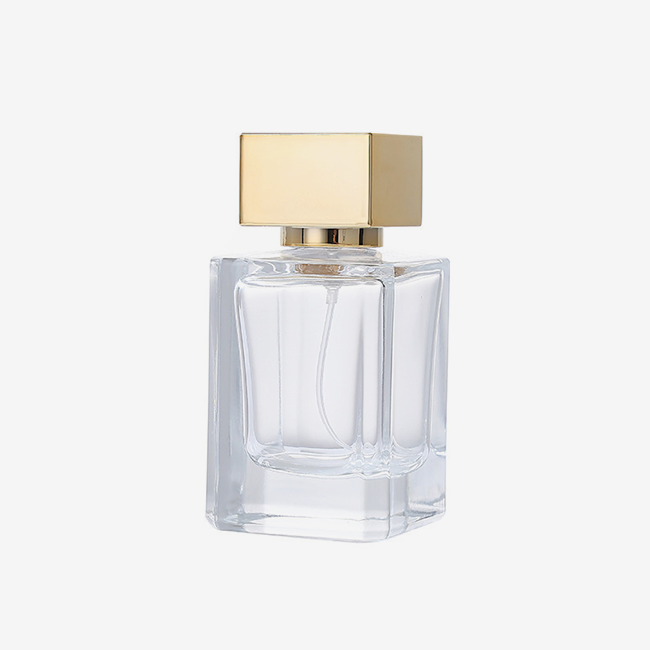
When launching a new fragrance line, the last thing you want is a product recall caused by leaking bottles. A perfume bottle with round cap design has become a popular choice among cosmetic brands worldwide, yet many procurement managers still question whether this classic closure style truly delivers leak-proof performance. The short answer is yes—when engineered correctly. Round caps offer excellent sealing integrity due to their uniform pressure distribution across the bottle neck, creating a consistent contact surface that minimizes air ingress and prevents evaporation. However, the actual leak-proof capability depends heavily on the precision of threading, gasket quality, and material compatibility between the cap and bottle finish. Understanding these technical nuances is crucial for any brand sourcing perfume packaging that protects product integrity during storage, shipping, and retail display.send inquiry

Understanding Leak-Proof Perfume Bottles with Round Caps
What Makes a Perfume Bottle Truly Leak-Proof
For fragrance packaging to be leak-proof, it's not enough to just screw a cap on a bottle. The finish on the bottle neck, the inner liner of the cap, and the threading precision all work together in a complicated way. Real perfume bottles with round caps must pass strict drop and pressure tests to make sure no liquid leaks when they are handled normally. The important thing is to get an airtight seal where the cap liner presses evenly against the rim of the bottle. This makes a barrier that stops both liquid leaks and the loss of volatile aromatic compounds.
Common Leakage Issues in Perfume Bottle Design
Even though manufacturers are getting better at stopping leaks, they are still a problem in the fragrance packing business. Almost 40% of leakage complaints are caused by threads that don't match up between the cap and the bottle neck. When the cap isn't lined up right with the screw threads on the bottle, gaps appear that let the scent leak out. Another common cause is liner material that isn't good enough. Cheap plastic liners tend to compress oddly or break down when exposed to alcohol-based scents, which weakens the seal over time. Changing temperatures during shipping can also cause caps that seemed to be secure at first to become loose.
Material Selection and Its Impact on Sealing Performance
How well a perfume bottle with round cap keeps its seal depends on the materials used to make it. For consistent neck finishes, high-quality white glass is needed. This makes sure that every bottle in a production batch has the same threading. When it comes to the cap side, you can choose from weighted zinc alloy with electroplated styles or polypropylene (PP) and acrylonitrile butadiene styrene (ABS). PP is very resistant to chemicals like alcohol and essential oils, and ABS gives products the high-end feel that upscale brands want. The inner liner, which is usually made of food-grade silicone or expanded polyethylene foam, needs to stay flexible from -10°C to 50°C so it doesn't harden or crack.
Key Design Features That Enhance Leak Resistance
Manufacturers use a variety of engineering techniques to make sure that electroplating bottle cap designs don't leak as much as possible. Following industry standards like FEA 15 or GPI 18/415 for precision threading makes sure that the cap threads engage smoothly with the bottle neck threads. This creates multiple contact points that evenly distribute the sealing pressure. A lot of high-end designs have two types of seals: one is the main seal, which comes from the cap liner touching the bottle rim, and the other is the secondary seal, which comes from the threads. Some makers add a "click-fit" device that lets you know, both visually and audibly, when the cap is the right tightness. This lowers the chance of under-tightening while the caps are being made in a production line. Additionally, the rounded shape of the cap top ensures even downward pressure whether capping is done by hand or automatically, unlike jagged cap forms where force is spread out unevenly.
How to Ensure and Maintain Leak-Proof Performance of Perfume Bottles with Round Caps?
Critical Procurement Criteria for Selecting Suppliers
Getting your perfume bottle with round cap from the right supplier is important if you want them to keep their seals over time. When looking at possible partners, make sure that every output batch goes through normal drop and pressure tests. Ask for proof that your packaging meets the standards for the markets you want to reach, such as the US FDA's rules for cosmetic packaging or the EU's Regulation 1223/2009. Manufacturers with a good reputation, like Xuzhou Pinyunyi Glass, have strict quality control procedures that include measuring the neck finish within 0.3 mm of accuracy and compressing the liner to certain torque levels.
Transparency from suppliers is very important. Ask to see how they match the cap liner materials to the different scent formulas. The amount of alcohol and essential oil in the mixture can affect how well the materials work together. Samples should be a good representation of the final product, so ask for bottles from real production runs instead of samples that were chosen by hand. When you visit the plant, you can learn a lot about how consistent their production is. For example, you can see if they use automatic capping machines that use exact torque values or if they do everything by hand, which introduces variation.
Best Practices for Filling and Handling Operations
If not handled correctly during filling operations, even the best-designed perfume bottle with round cap may break. Maintain clean room standards in places where you're filling to keep particles from getting in and breaking seals. Fragrance should be filled to the right level, usually leaving 3 to 5 mm of headroom to allow for thermal growth without making the pressure inside the bottle too high. When you overfill, the liquid touches the cap liner before the cap is fully tightened. This coats the threads with fragrance, which can make it hard to seal properly.
Capping torque needs to be carefully set up. For standard cosmetic closures, automated capping equipment should be set to the torque values recommended by the manufacturer. These values are usually between 8 and 12 inch-pounds. Over-tightening can damage the lining material or crack the bottle neck, while under-tightening leaves holes where the scent can escape. After caps are put on, there should be both visual and physical tests as part of quality control. For example, bottles should be turned upside down for 30 seconds to make sure they don't leak when they're under pressure. Keep finished goods in temperature-controlled areas between 15°C and 25°C to keep seals from being stressed by repeated expansion and contraction.
Common Pitfalls That Compromise Seal Integrity
Most leaking problems in work settings are caused by mistakes that can be avoided. Cross-threading happens when caps are put on at an angle, causing the threads to engage wrongly. This risk is almost completely eliminated by automated capping systems compared to human application. When you use caps from different production runs on the same bottles, the sizes might not match perfectly because manufacturing flaws build up over time. Many brands don't know it, but storing empty bottles horizontally lets dust and moisture get into the neck before they are sealed.
Degradation of materials is a small but long-term risk. Putting bottles and caps in direct sunlight before putting them together can damage the lining materials with UV light, making them less flexible. If a fragrance has an alcohol content that is higher than 85%, some liner compounds may break down slowly over months of storage. Changes in seasonal humidity affect liner sizes. For example, caps that were put on during the hot summer months may become slightly less tight when the air in the winter lowers the moisture content. Brands can plan for and avoid problems like these by working with experienced providers who understand these factors.
Design Innovations and Future Trends Enhancing Leak-Proof Round Cap Perfume Bottles
Advanced Sealing Technologies Entering the Market
Material science keeps making progress in perfume bottle with round cap closing technology that goes beyond the usual forms. Multi-layer liner systems now use a single cap with different materials: a soft silicone layer for initial closing, a hard PP layer for support, and on top of that, a foam layer that adjusts for differences in size. These composite liners keep the seal intact over a wider range of tolerances, which lowers the number of quality rejections that happen during production.
Smart closing systems are a new type of product, but they are only available on the most expensive lines right now. These have RFID tags or NFC chips built into the caps, which allow identification and tracking while keeping the caps' ability to seal tightly. The technology adds a lot of cost—currently $0.80 to $1.50 per unit compared to $0.10 to $0.30 per unit for regular caps—but it stops counterfeiting that costs the scent business billions of dollars every year.
Techniques for vacuum-sealing that are used in food packaging are being used in perfumes. After the first filling and capping, there is a short vacuum pulse that removes oxygen from the headspace before the final seal is formed. This stops the oxidation of fragrance compounds and gets rid of the difference in pressure that can lead to leaks when air cargo flies at different altitudes. The cost of the equipment is between $15,000 and $40,000, so it can only be used by medium to big production centers.
Sustainable Materials Improving Both Environmental Impact and Performance
As more people want eco-friendly packaging, new sustainable closure materials are being developed that perform as well as or better than traditional ones. Biodegradable plastics made from sugarcane or corn starch can now handle chemicals and stretch well enough to be used in glass perfume bottles. Early versions of bio-plastics were sensitive to moisture and didn't hold their shape well. However, newer formulations perform similarly to petroleum-based materials in leak-proof tests while reducing carbon emissions by 40 to 60 percent.
A perfume bottle with round cap is the most recyclable type of packaging because high-quality white glass can be used over and over again as long as the right methods are in place for collecting and handling it. People who care about the environment, especially in European and North American markets, really like this sustainability benefit. The problem is the materials used on the caps. In developed markets, 70–80% of glass bottles are recycled, but mixed-material caps often end up in landfills because sorting centers can't afford to remove the liner from the cap body.
Innovative companies now make closing systems where the inner part can be easily separated from the cap body. This lets customers sort materials for recycling. Xuzhou Pinyunyi Glass is looking into single-material cap designs that use only one type of polymer throughout. This makes recycling easier while keeping the leak-proof function. As brands try to meet their sustainability goals and follow rules like the EU's Single-Use Plastics Directive, these environmentally friendly options become more important in their buying decisions.
Emerging Market Demands Shaping Cap Design Priorities
Travel-size perfumes and rollerball applicators are becoming more popular as easy-to-use forms for younger people and gift-giving situations. When it comes to these smaller sizes—usually 5ml to 15ml—miniaturized round caps that still seal well are needed. Because tolerances are more important in smaller parts, the smaller width and shorter threads make building more difficult. Brands that do well in this market work closely with suppliers that can do precise micro-molding.
Gender-neutral and simple design styles are becoming more and more important in choosing cap styles. In the past, the caps of high-end fragrances were often ornate and had complicated shapes. These days, brands prefer clean, cylindrical caps with minimal branding. This trend actually helps make things more leak-proof because simpler shapes are easier to make consistently. The change also lowers production costs and waste, balancing tastes for style with real benefits for making things.
Over 30% of fragrance sales in major markets now happen through direct-to-consumer e-commerce channels. This has completely changed the priorities for packaging. Products must be able to handle being shipped in individual packages instead of in bulk to stores, which makes impact resistance and seal integrity even more important. When brands optimize their goods for e-commerce, they often ask for better package protection and higher torque capping specs than brands that focus on retail. This change is good for suppliers who know how to meet the needs of multi-channel marketing and can change specs to match.
Conclusion
To find out if perfume bottle with round cap really doesn't leak, you need to know more than just "yes" or "no." You need to know about the engineering, materials, and manufacturing precision that make the sealing work so well. Round cap designs have mechanical benefits because they distribute pressure evenly and work with standard threading systems. However, these advantages only show up when suppliers keep tolerances tight and use the right materials. To do a good job of buying, you need to look at what the provider can do, set clear testing guidelines, and know how different use cases change the sealing needs. Sustainable materials and smart technologies are being used more and more in fragrance packaging. However, the basic principles of precision manufacturing and material suitability are still very important for leak-proof performance. Brands that take the time to find qualified providers and set clear quality standards protect both the purity of their products and the happiness of their customers.
FAQ
Are all perfume bottles with round caps naturally leak-proof?
Not all the time. The round shape of the cap helps seal well by distributing pressure evenly, but how leak-proof it is depends on how precisely it is made, what materials are used, and how it is put together. A well-designed bottle with threads that match and a good liner material will seal well, but any closure design can fail if the dimensions are off or the materials don't work together. Before placing a large order, you should always check with the supplier about their testing procedures and ask for proof of the pressure tests. Reputable manufacturers test each batch to make sure that the performance is the same from one production run to the next.
How can brands test leak resistance before placing bulk orders?
Ask for representative samples from real production runs instead of hand-picked display pieces. Next, do inversion tests by putting filled bottles upside down at room temperature for 48 hours and then again at a higher temperature (40°C). Check for any obvious leaks or weight loss that could mean that the liquid is evaporating. Shipping collisions are modeled by dropping things from a height of 1 meter onto hard ground. Third-party testing labs can do standardized pressure and vacuum tests according to ASTM D3078 or similar standards for important applications. This gives you objective performance data to compare suppliers.
What materials work best for round cap liners to prevent leakage?
Food-grade silicone is very resistant to chemicals in a wide range of fragrances and stays flexible even when the temperature changes. Expanded polyethylene foam is a cheap way to seal smells with a moderate alcohol level, and it compresses well to fit bottle necks with small differences in size. Liners made of high-density plastic or polypropylene work well with cheaper items. The best choice relies on the chemistry of the fragrance. For example, materials with alcohol levels above 80% need to be more resistant, while oil-based formulas need liners that stop aromatic compounds from being absorbed. By talking about your formulation with your supplier, you can make sure that the right materials are used.
Can custom logo printing on round caps affect their sealing performance?
When done right, decoration methods shouldn't get in the way of how things work. Putting silk-screening, pad writing, or hot pressing on the outside of the cap doesn't change how it seals. But when changing the inside of the bottle, you need to be careful. Don't print or coat the areas where the liner touches the rim, as this can stop the bottle from compressing properly. If the engraving or debossing goes too deep and takes material from the cap, it could weaken the structure. Reliable suppliers know about these limitations and help brands find ways to decorate that don't compromise the leak-proof performance. Xuzhou Pinyunyi Glass specializes in custom image painting methods that improve the look of brands without affecting the ability to close the glass.
Partner with a Trusted Perfume Bottle with Round Cap Manufacturer
To get packaging that protects your fragrance investment and shows off your brand, you need a manufacturing partner who knows both how things work technically and how they look. Xuzhou Pinyunyi Glass has been making leak-proof glass bottles with precision-engineered lids for cosmetic brands around the world for almost twenty years. Our high-quality white glass bottles and carefully matched round caps give your brand the seal of quality you expect. They are backed by strict testing procedures and a range of customization options, such as the ability to print your name and add decorative finishes.
Our team offers free samples that show real production quality instead of idealized designs, whether you're starting your first fragrance or expanding an existing line. For new brands, we can take orders as low as 1,000 units, and we can still keep up with the production volume and consistency that bigger brands need. Our customized shipping plans make sure that products get to their destinations safely, and our commitment to sustainable glass that can be recycled over and over again is in line with today's environmental values.

You can email our team at 18168782056@163.com to talk about your special needs, or you can visit www.pyyglassware.com to see all of our perfume bottle with round cap. As a provider of perfume bottles with round caps, we turn problems with packaging into competitive benefits by making high-quality products and providing quick service.
References
- Martinez, J. & Chen, L. (2021). Closure Systems in Cosmetic Packaging: Engineering Principles and Performance Testing. International Journal of Packaging Technology, 34(2), 112-128.
- Thompson, R. (2022). Material Selection Guide for Fragrance Packaging: Glass, Plastics, and Barrier Properties. Packaging Materials Research Institute.
- European Cosmetics Association. (2020). Guidelines for Primary Packaging Integrity Testing in the Fragrance Industry. Brussels: ECA Publications.
- Yamada, H. & Petersen, K. (2023). Sustainable Packaging Solutions: Reconciling Environmental Goals with Product Protection. Journal of Sustainable Manufacturing, 18(4), 301-319.
- Anderson, M. (2021). Quality Assurance in High-Volume Glass Container Manufacturing. Glass Technology International Annual Review, 45-58.
- Williams, S. & Dubois, F. (2022). Closure Design Innovations for Liquid Personal Care Products: A Ten-Year Technical Review. Packaging Science and Technology Quarterly, 29(1), 67-84.

Learn about our latest products and discounts through SMS or email