- English
- French
- German
- Portuguese
- Spanish
- Russian
- Japanese
- Korean
- Arabic
- Greek
- German
- Turkish
- Italian
- Danish
- Romanian
- Indonesian
- Czech
- Afrikaans
- Swedish
- Polish
- Basque
- Catalan
- Esperanto
- Hindi
- Lao
- Albanian
- Amharic
- Armenian
- Azerbaijani
- Belarusian
- Bengali
- Bosnian
- Bulgarian
- Cebuano
- Chichewa
- Corsican
- Croatian
- Dutch
- Estonian
- Filipino
- Finnish
- Frisian
- Galician
- Georgian
- Gujarati
- Haitian
- Hausa
- Hawaiian
- Hebrew
- Hmong
- Hungarian
- Icelandic
- Igbo
- Javanese
- Kannada
- Kazakh
- Khmer
- Kurdish
- Kyrgyz
- Latin
- Latvian
- Lithuanian
- Luxembou..
- Macedonian
- Malagasy
- Malay
- Malayalam
- Maltese
- Maori
- Marathi
- Mongolian
- Burmese
- Nepali
- Norwegian
- Pashto
- Persian
- Punjabi
- Serbian
- Sesotho
- Sinhala
- Slovak
- Slovenian
- Somali
- Samoan
- Scots Gaelic
- Shona
- Sindhi
- Sundanese
- Swahili
- Tajik
- Tamil
- Telugu
- Thai
- Ukrainian
- Urdu
- Uzbek
- Vietnamese
- Welsh
- Xhosa
- Yiddish
- Yoruba
- Zulu
Is the hound dog whisky bottle food-safe glass?
When looking for packaging for high-end spirits, one question comes up over and over again: Is the hound dog whisky bottle really made of food-safe glass? The simple answer is yes, as long as the product is made to internationally recognised standards. Borosilicate glass used to make real Hound Dog whiskey bottles meets strict FDA and EU safety standards, so no harmful substances can get into your product. This unique bottle is both collectible and useful. It gives beverage brands and distilleries a way to protect flavour profiles while giving their products a unique look on the shelf. Knowing what these bottles are made of, how they were made, and what certifications they have for compliance helps purchasing managers make choices that protect both the brand's image and the safety of consumers.send inquiry

Understanding Food-Safe Glass in Bottle Manufacturing
What Defines Food-Safe Glass Standards?
To be considered food-safe, glass must meet strict rules set by organisations such as the FDA in the US and similar authorities in several European Union member states. Heavy metals, especially lead and cadmium, can't get into liquids that people drink because of these standards. Migration testing is done on glass containers that are meant to be used with food and drinks under simulated storage conditions. This tests the amount of potentially harmful elements that move from the container to the contents. Following California Proposition 65 and EU Directive 94/62/EC is a basic way to make sure that glass packaging doesn't pose any health risks when it's being used normally.
Borosilicate Versus Soda-Lime Glass Properties
The main thing that affects the safety performance and functional features of glass is its composition. Because it has a lot of silica and boron trioxide in it, borosilicate glass is very resistant to chemicals and can handle sudden changes in temperature. This mixture can handle changes in temperature up to 42°C without breaking down under stress, which makes it good for certain filling processes. The substance doesn't react with acidic or basic substances, so it doesn't change the taste of old drinks. While soda-lime glass is cheaper and more common in making standard bottles, it is also very clear and durable enough for use in normal temperatures. Both products can get food safety approval if they are made in a controlled environment and tested according to the right standards.
Why Compliance Matters for Whisky Packaging?
Regulatory compliance is more than just the law; it's also a promise to quality that spreads through your supply chain. Distilleries could be held responsible if the materials used for packaging damage the quality of the product or make customers sick. Non-compliant bottles can lead to expensive product refunds, hurt the value of a brand that has been built up over many years, and make it harder to sell products in other countries. North America, Europe, and the Asia-Pacific regions all have their own approval rules, so it is very important for suppliers to be open about how they test and what paperwork they keep. When you work with makers that put third-party proof first and keep trackability systems up and running, you protect your business from these avoidable risks and show regulators and customers that you've done your research.
Composition and Manufacturing Process of the Hound Dog Whisky Bottle
Raw Material Selection and Glass Formulation
Borosilicate glass that is safe for food starts with carefully choosing raw materials that meet purity standards for pharmaceuticals. In exact amounts, high-purity silica sand, boron oxide, sodium carbonate, and aluminium oxide are mixed in the formula. When these items come in, they are carefully checked for contaminants that could make the end product less safe. Specialised additives improve certain properties. For example, clarifying agents get rid of microbubbles that weaken the structure, and stabilisers make sure that all production batches have the same melting properties. The resulting glass composition is more resistant to chemicals than regular soda-lime alternatives. It makes a perfect barrier between high-end spirits and outside environmental factors for hound dog whisky bottle products.
Step-by-Step Production Methodology
Through a series of carefully controlled steps, raw materials are turned into finished packing. When batch parts are put into ovens that hit 1,500°C, they melt into a uniform molten glass. This liquid goes into precise moulds that give the bottle its unique shape, including any raised areas that make it look better and help people remember the brand. The detailed details that can only be achieved by hand at places like Xuzhou Pinyunyi Glass Products Co., Ltd. can't be made by machines, especially for clear patterns that show off the product inside.
After the first shaping, the bottles are put into controlled annealing ovens that lower the temperature slowly. This gets rid of any internal stress points that could cause the bottles to break on their own. A polariscope check confirms that the residual stress stays below the Grade 2 levels, which means that the structure will be stable for a long time during filling, shipping, and storage. Surface treatments, such as hot-end tin oxide coats and cold-end organic lubricants, keep things from getting scratched while they're moving quickly on a conveyor belt without putting food safety at risk.
Quality Control and Compliance Testing
ISO 9001 frameworks are followed by strict inspection protocols that look at many important factors during production. Digital callipers are used for dimension accuracy verification to make sure that the bore diameter tolerances are within 0.1 mm. This makes sure that the system will work with standard closure systems. In vertical load testing, samples are put under more than 300 kg of hydraulic pressure, which simulates the stresses that come with stacking pallets on top of each other during storage and distribution. Laser-coded bottom markings are put on each production batch so that they can be tracked. This makes it easy to act quickly if there are any quality issues after shipping. Migration testing checks if the makeup of the glass allows elements to move measured amounts into ethanol-based simulants, which replicates the chemical environment of whisky over long periods of time.
How to Identify an Authentic Hound Dog Whisky Bottle and Verify Its Food Safety?
Recognizing Genuine Product Markings
Genuine bottles have brand names and specific details that are raised in a way that makes it hard for counterfeiters to copy correctly. Look at the base to see if there are any manufacturer codes, production date stamps, or quality approval lines that were moulded into the glass when it was being made. When lit from behind, real borosilicate bottles have walls that are the same thickness all the way through. However, cheap copies often have variations in the wall thickness that weaken the structure. Logo printing that is done with heat transfer or decals should have clean edges and even colour covering that doesn't bleed or fade. These are signs of professional manufacturing skills.
Obtaining and Reviewing Safety Certificates
Suppliers with a good reputation keep records that show they follow international safety standards. You can ask for copies of FDA registration certificates, EU declarations for food contact materials, and test reports from third-party accredited laboratories. These papers should explain how the tests were done, list the levels of contaminants that were found, and confirm that the results are well below what the government allows. Certificates of Analysis (CoA) that come with every shipment confirm the specific batch and connect the delivered goods to samples that were tested in a lab. Manufacturers with open quality systems welcome these kinds of questions because they see them as chances to show they care about safety, not as a lot of work to do.
Sourcing from Authorized Channels
When you work with well-known makers and their authorised delivery networks, the risk of procurement goes down by a lot. When you have direct relationships with manufacturers like Xuzhou Pinyunyi Glass, you can do factory audits that let your team see for themselves how things are made and how quality is controlled. Authorised wholesalers keep the goods in the right way and keep track of the chain of custody, so they don't get exposed to contaminants while they're being shipped. Stay away from gray-market suppliers that offer discounts that don't seem right—save money right away before non-compliant products cause recalls or other government action. Building relationships with suppliers who offer free samples lets you do pre-purchase verification testing at independent labs, which lets you check specs before committing to large orders.
Comparing Hound Dog Whisky Bottles with Other Collectible Whisky Bottles
Material Quality and Safety Performance
Premium packaging is different from standard items because it is made of borosilicate glass. In normal situations, regular soda-lime bottles protect their contents well. But borosilicate's higher chemical resistance means that high-proof drinks and glass don't react at all over long periods of time for hound dog whisky bottle. This inert quality keeps the flavour profile the distiller wanted without adding any off-notes from the packaging. The better response to thermal shock makes it possible for some makers to use special filling methods. This increases the freedom of production without lowering safety standards. When brands position themselves in ultra-high-end markets where good packaging means great products, these technical advantages become real benefits.
Design Impact on Brand Positioning
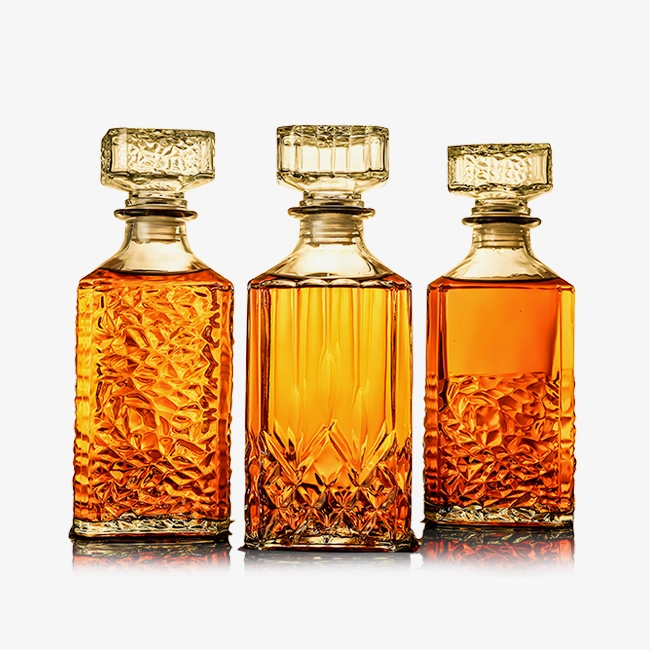
In stores with a lot of other items, unique bottle design makes it easy to spot one on the shelf. The vintage flask shape and ergonomic canteen profile make people think of traditional craftsmanship, which appeals to people who want to have real experiences. Embossed surface finishes add a tactile layer that can't be fully shown in photos, which encourages handling in-store, which creates an emotional link. The natural colour of the whisky can be seen through the clear glass, which lets the product itself be a part of the brand story. These design elements work together to support brand stories about quality, tradition, and attention to detail while also supporting high prices.
Cost Considerations Across Order Volumes
Pricing models are very different for special orders with few items and production runs with many items. Collectible editions with complex embossing and other special treatments sell for more per unit, but they have a higher brand value than regular releases. Standard versions that are optimised for automatic filling lines offer economies of scale that make them appealing to breweries that need to keep the same amount of alcohol. OEM deals let brands customise their products with name printing and special embossing at average prices, which strikes a balance between individuality and cost-effectiveness. Instead of just looking at unit price, procurement managers should look at the total landed costs, which include amortising tools, minimum order quantities, packaging requirements, and transportation.
Conclusion
Making sure that the glass used to make hound dog whisky bottles is safe for food protects the brand's reputation and makes sure that all global markets follow the rules. Borosilicate glass, strict manufacturing procedures, and thorough testing methods work together to make packaging that meets international safety standards. If procurement professionals know about the properties of materials, how to authenticate them, and how to evaluate suppliers, they can confidently find high-quality packaging for spirits that improves the product's positioning and protects consumers' health. When you buy quality-checked bottles from well-known makers, you'll get your money's worth in lower liability risks, stable product performance, and a better image for your brand in competitive whisky markets.
FAQ
Can hound dog whisky bottles be reused for food and beverage purposes?
High-quality borosilicate bottles that are made to be used more than once can be used again as long as they are cleaned and inspected properly between uses. The surface of the material is not porous, so germs can't grow on it. It can also be sterilised over and over again. For commercial reuse, it's important to make sure that the cleaning methods get rid of the old contents completely without leaving behind any residues that could make new products dirty. The bottle can be recycled, which is good for the environment because glass can be processed over and over again without losing its quality.
What verification steps ensure both safety and authenticity?
By asking sellers for paperwork, you can start the checking process. Check the registration numbers with the FDA, ask for test results from approved laboratories, and look over certificates of analysis for particular batches of production. A physical inspection should check the quality of the embossing, the consistency of the dimensions, and the clarity of the glass. Before agreeing to big orders, you might want to get independent testing done on initial samples. This is especially important when working with new suppliers or entering regulated markets with strict rules.
What import considerations matter for international buyers?
The duty rates and governmental control are based on how well the goods are classified under the right Harmonised System codes. Glass bottles usually need to make claims about being safe for food contact, especially when going into markets that have specific approval needs. International shipping can be hard on packaging, so it's helpful for suppliers to have knowledge with export markets. Knowing the rules about labelling, material safety data sheets, and import licenses in the target country can help you avoid expensive delays and make sure that time-sensitive packages go through customs smoothly.
Partner with Xuzhou Pinyunyi Glass—Your Trusted Hound Dog Whisky Bottle Supplier
Xuzhou Pinyunyi Glass Products Co., Ltd. makes high-quality borosilicate glass packaging that is both safe for food and has a unique look. Our modern factory, which is equipped with cutting-edge processing technologies, makes hound dog whisky bottles that meet international standards and can be customised in ways that strengthen your brand's identity. We offer free samples so you can check them out before you buy, full documentation to show that they are safe, and competitive bulk order quotes that are made to fit your needs.
Our experienced team helps customers with all parts of the buying process, from the first design meeting to delivery and service after the sale. We know what paperwork, packing, and shipping needs to be done so that foreign transactions go smoothly because we've sent goods to Europe, the US, Australia, and other places. Call us at 18168782056@163.com or go to www.pyyglassware.com to talk about your needs, get technical data sheets, and find out how our production skills can improve your spirits packing program by giving you real, legal, and eye-catching bottles.

References
- FDA Compliance Policy Guide: Glass Containers for Food and Beverage Contact Applications, U.S. Food and Drug Administration Center for Food Safety and Applied Nutrition, 2021.
- European Union Directive 94/62/EC: Framework for Packaging and Packaging Waste Management, Official Journal of the European Communities, amended 2018.
- ASTM C149-86: Standard Test Method for Thermal Shock Resistance of Glass Containers, American Society for Testing and Materials, reapproved 2016.
- ISO 9001:2015 Quality Management Systems: Requirements for Glass Container Manufacturing, International Organization for Standardization.
- California Proposition 65: Safe Drinking Water and Toxic Enforcement Act, Migration Testing Protocols for Glass Food Contact Materials, Office of Environmental Health Hazard Assessment, 2020.
- Technical Standards for Borosilicate Glass Composition and Food Safety Performance, Journal of Packaging Technology and Research, Volume 5, Issue 3, 2022.
Learn about our latest products and discounts through SMS or email