- English
- French
- German
- Portuguese
- Spanish
- Russian
- Japanese
- Korean
- Arabic
- Greek
- German
- Turkish
- Italian
- Danish
- Romanian
- Indonesian
- Czech
- Afrikaans
- Swedish
- Polish
- Basque
- Catalan
- Esperanto
- Hindi
- Lao
- Albanian
- Amharic
- Armenian
- Azerbaijani
- Belarusian
- Bengali
- Bosnian
- Bulgarian
- Cebuano
- Chichewa
- Corsican
- Croatian
- Dutch
- Estonian
- Filipino
- Finnish
- Frisian
- Galician
- Georgian
- Gujarati
- Haitian
- Hausa
- Hawaiian
- Hebrew
- Hmong
- Hungarian
- Icelandic
- Igbo
- Javanese
- Kannada
- Kazakh
- Khmer
- Kurdish
- Kyrgyz
- Latin
- Latvian
- Lithuanian
- Luxembou..
- Macedonian
- Malagasy
- Malay
- Malayalam
- Maltese
- Maori
- Marathi
- Mongolian
- Burmese
- Nepali
- Norwegian
- Pashto
- Persian
- Punjabi
- Serbian
- Sesotho
- Sinhala
- Slovak
- Slovenian
- Somali
- Samoan
- Scots Gaelic
- Shona
- Sindhi
- Sundanese
- Swahili
- Tajik
- Tamil
- Telugu
- Thai
- Ukrainian
- Urdu
- Uzbek
- Vietnamese
- Welsh
- Xhosa
- Yiddish
- Yoruba
- Zulu
How to clean a square crystal wine bottle?
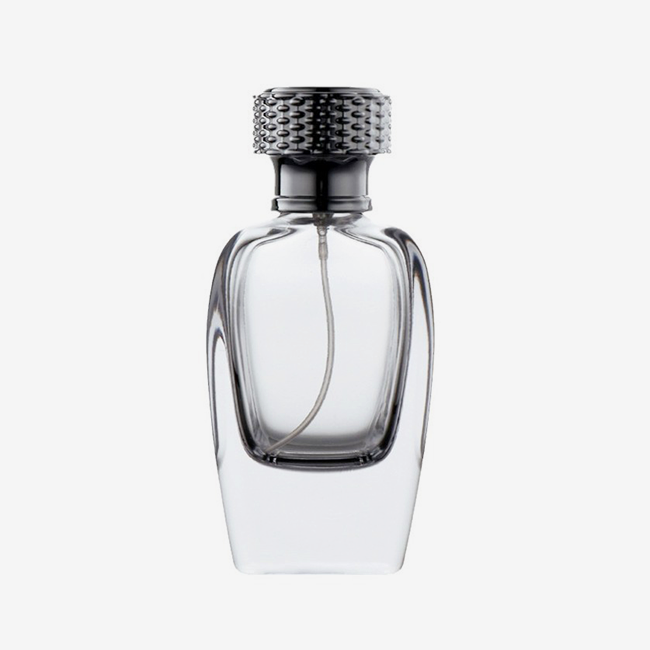
The square crystal wine bottle needs to be cleaned carefully and in the right way to keep its clear lines and sparkling clarity. Instead of round bottles, these pretty containers have sharp edges that catch dirt. Rinse the bottle with cold water after each use to keep it from getting dirty. To get into the corners, use a soft bottle brush and mild dish soap and be very careful. To get rid of mineral buildup, rinse well with distilled water. Turn the bottle upside down on a clean cloth and let it dry naturally. send inquiry

Understanding the Challenges of Cleaning Square Crystal Wine Bottles
Because they are angular, angular glass wine decanters need to be cared for in a very different way than rectangular ones. Because the sides are smooth and curved, round bottles are easy to clean. On the other hand, square bottles have sharp 90-degree angles that make it easy for tannins, wine sediment, and mineral deposits to stick.
Why Square Bottles Demand Special Attention?
Because it is made up of very small pieces, crystal glass looks beautiful. However, this also makes it easy for chemicals to react with it. Acidic cleansers that are too strong can scratch the surface, making the bottle look cloudy and less appealing. You can also tell right away if they haven't been cleaned properly because scratches and water spots show up more on the flat sides of square designs than on curved ones. The people who buy these bottles for high-end brands know that keeping them in great shape affects how they look on store shelves and how customers feel about the brands.
Material Sensitivity and Structural Considerations
Our wine bottles are made of blown glass that lets more than 92% of light through. This makes any flaws on the outside stand out more. Certain heating steps are taken at around 540°C to lower the stress inside the 950ml bottles, which come in full-grain, bottom-flowered, or half-grain styles. While this thermal treatment makes the glass last longer, it still needs to be handled with care when it's being cleaned so that it doesn't get thermal shock from sudden temperature changes. You can protect your investment and make sure that the quality of each batch order is the same by setting up cleaning procedures that take into account these technical details.
Step-by-Step Cleaning Method for Square Crystal Wine Bottles
Setting up an organised cleaning routine saves fragile glass surfaces and makes sure that big tasks are always done the same way. The method is somewhere between thorough and gentle, so it gets rid of common types of dirt without weakening the structure.
Preparation and Initial Assessment
Before you start cleaning, light up each bottle and look at it to see what kind of dirt is on it. Most wines leave behind red marks, while some drinks' lipid-based substances leave behind oily films. When you prepare at room temperature, heat shock doesn't happen. If you put cold water into a warm bottle or hot water into a warm bottle, the molecular structure of the glass will be stressed, even after it has been annealed.
If you want to start right away, make sure you have distilled water for the last rinse, microfibre cloths, bottle brushes with soft bristles made just for corners, and a drying rack. The surface of the glass will be permanently damaged by steel wool, rough brushes, and cleaners that contain chlorine.
The Core Cleaning Process
Warm water (about 95 to 105°F) with a little mild detergent added to it should be filled up to three quarters of the way. It's very important that the water is warm enough. Water that is too hot can stress the body, and water that is too cold doesn't get rid of residues well. While the solution is being stirred very quickly for 30 to 45 seconds, move the particles off of the flat walls and sharp corners inside the container.
Put a soft bottle brush made for square containers inside and use slow, gentle strokes to carefully go around each corner. If you don't want to scrub hard, the bristles of the brush should bend against the surface. At the bottom, pay close attention to the edges where sediment tends to settle and the change in height at the neck, where liquid levels tend to rest.
Rinse three times with clean, warm water, being careful not to leave any soap behind. Soap films leave lines behind when they dry. This is really bad for square crystal wine bottle. After that, use distilled water to rinse the bottle one last time to get rid of the minerals that tap water leaves behind. They take away from the high-end look of the bottle.
Expert Drying and Storage Techniques
Turn the square crystal wine bottle over and place it at an angle on a drying rack or a clean, lint-free cloth. This will help the water drain all the way. Moving the air around makes things dry faster and stops germs from growing where it's wet. When you put a regular towel inside the bottle, the threads will catch on the corners and leave behind lint.
It needs to be dry in the air for at least four to six hours before it can be sealed or put away. Bottles that are still wet will get musty smells and mineral rings if you store them. Store it standing in a dust-free area out of direct sunlight once it's fully dry. Direct sunlight can make any flaws on the surface stand out more by making them bigger.
Advanced Cleaning Techniques and Innovations
These days, cleaning technologies make it easy and quick for procurement teams to do things that save money on labour and make high-volume processes more regular. These methods work great for companies that need to replace a lot of stock all the time.
Ultrasonic Cleaning Technology
High-frequency sound waves (usually 35–45 kHz) are used by ultrasonic cleaners to make cleaning fluid bubble up. This is called cavitation. As soon as these bubbles pop, they release a strong energy that lifts dirt off of glass surfaces without touching them. You can use this technology to clean the sharp edges of square bottles that are hard to reach with a hand brush.
To use the process, you need to put the bottles in the ultrasonic tank, fill it with the right cleaning solution (mostly pH-neutral ones), and run cycles for 3 to 8 minutes, subject to how bad the contamination is. There is no chance of scratches because you don't have to touch anything, and the effects are the same every time. Big companies that sell food and drinks say that washing a lot of things at once saves them 40% of the time it would take to do it by hand.
Enzymatic Detergent Solutions
Enzymatic cleaners use biological agents to break down organic waste at the molecular level. These include proteins, tannins, and sugars. Normal detergents just swirl around and lift dirt; enzymes, on the other hand, chemically break down colouring substances. This makes them great at getting rid of wine sediment.
The best temperatures for these mixtures are between 104°F and 113°F, and they need to be on the skin for 10 to 15 minutes in order to fully work. Being able to recycle them fits with attempts to be better for the earth, and they still clean well. Chemicals that are too harsh are bad for both the glass and the people who touch it. This meets safety standards at work that are important for legal buying.
Eco-Friendly Implementation Considerations
Businesses that use green cleaning methods show that they care about the environment and can often cut costs at the same time. Cons: Concentrated enzyme products save money on shipping and packaging costs because they come in smaller amounts. Because they reuse cleaning solutions over and over, ultrasonic systems use up to 70% less water than human methods that rinse all the time.
Companies that want to attract customers who care about the environment will benefit the most from these new ideas. This is because using sustainable practices throughout the supply chain helps build the brand's reputation. These eco-friendly plans work well with the glass bottles that Xuzhou Pinyunyi Glass recycles and reuses. They tell full stories about sustainability that current markets want to hear.
Best Practices in Handling and Maintaining Square Crystal Wine Bottles for Procurement Professionals
Strategic handling rules make bottles last longer and reduce the number of times they need to be cleaned. How well things run and how much they cost are both affected by this. When a business gets an item and puts it on show, they need to follow these steps to keep track of it.
Damage Prevention Through Proper Handling
Stress builds up in the corners of square bottles because they are shaped like angles. This is where most damage from impacts happens. During storage and packing, bottles don't hit each other, which could break or chip them, because of padded barriers. We at Xuzhou Pinyunyi Glass offer flexible ways to pack our products, such as protected layers made just for angular forms. These make sure that your things stay safe as they move through global shipping networks.
A warehouse worker will not drop things if they know how to do it right. As an example, you should hold bottles by their bodies instead of their weak spots, like the heads. Temperature-controlled storage places (55–65°F) keep glass from expanding and contracting too often, which can damage it over time. This is especially important for the way we build with made glass.
Optimized Cleaning Frequency Schedules
Maintenance needs to be done based on how often something is used. Display bottles in stores only pick up dust, so they only need to be cleaned well once a month and lightly dusted every other week for square crystal wine bottle. If the decanters are used more than once a day, they need to be cleaned every time so that dust doesn't stick to them. Stock in the warehouse that isn't ready to be sent out does better when it's safely wrapped than when it's cleaned over and over, which puts the bottles at unnecessary risk when they are handled.
Setting up zone-based processes, such as cleaning active-use bottles right away, regularly keeping display items, and safely placing stock items, strikes a balance between maintaining a high level of cleanliness and making the best use of resources. With this tiered system, less work needs to be done to make sure that the bottles that customers see always look their best.
Sustainability Integration
The circular economy is supported by using glass bottles more than once. However, how you clean them can make these benefits stronger or weaker. Formulations that clean with cold water use less energy to heat the water, and soaps that are concentrated use less plastic packaging. Our green recyclable bottles make these benefits even better because they show customers that we care about the environment and meet stricter business buying requirements.
For B Corp approval or LEED compliance, keeping track of cleaning processes in an environmental management system shows that you've done your homework. This is a good way to stand out in a crowded market. Using sturdy bottle designs and taking care of them properly makes a great deal for buyers from all walks of life who care about the environment.
Conclusion
You need to know how square crystal wine bottles are put together and what they are made of to keep them in great shape. All processes, no matter how big or small, get the same results when they use systematic methods that include the right preparation, the right detergents, and a full rinse. Picking sources that focus on designs that are simple to keep up and offer a full quality guarantee creates long-term value that goes beyond price concerns at first. These partnerships make sure that people who work in procurement can get high-quality goods and the help they need to get the most out of their purchases.
FAQ
Can Square Crystal Wine Bottles Go in the Dishwasher?
Instead of using a machine to clean high-end glass decanters, you should really clean them by hand. Heavy detergents with phosphates and chlorine that etch crystal surfaces and make them forever cloudy are used on industrial dishes. They are heated to 150 to 180°F. When machines move and bottles touch each other during the washing process, they often break corners. When you wash dishes at home, you run the same risks. There are also worries about hard water mineral deposits that stick to surfaces during hot dry cycles and need rough methods to be removed, which can damage glass.
What Cleaning Agents Are Safe for Crystal Glass?
Mild dish soaps with no added acids that say they are soft or made for sensitive glasses clean well without scratching the surface. To get rid of mineral deposits, mix white vinegar and water 1:3. To get rid of tough stains, make a paste of baking soda and water. You shouldn't use window cleaners that have ammonia, chlorine bleach, or rough powders that scratch the glass. Tool cleaners with enzymes that are made for wine tools clean like expert cleaners and keep the glass clean. You should always test a new cleaner on an area that won't be seen before using it everywhere.
How Should Clean Bottles Be Stored to Prevent Water Spots?
If you dry everything totally before putting it away, you can escape almost all water spot problems. Place the bottles upside down on lint-free cloths or special racks, and allow them to dry for 4 to 6 hours in a well-ventilated area. The humidity level in places where things are stored should be between 40 and 60%. Spots can form if there is too much moisture, and dust can stick to things if there is not enough moisture. To keep dust from building up in the air, store things straight in bins or with caps that protect them. Minerals that leave spots behind when tap water evaporates are taken out when you use distilled water for the last rinse.
Partner with Xuzhou Pinyunyi Glass for Premium Square Crystal Wine Bottle Solutions
The blown glass wine bottles that Xuzhou Pinyunyi Glass makes are made to look good and last a long time. Our 950ml square diamond wine bottles are stylish in the European style, and we've learned how to make them easy to clean after making glasses for a long time. We don't have to pay markups to middlemen because we make our own square crystal wine bottles. We also have full control over the quality of the whole process. Our customisable packing and different shipping choices make it easy for companies that brand gifts, home goods, and drinks to buy in bulk or just a few samples. You can build trusted relationships with sellers based on proven quality when you offer free samples, high-quality work, and goods that can be recycled. Discover how our nearly 100 experienced workers and state-of-the-art production sites give high-end markets the dependability, customisation options, and styles that are easy to keep up.

References
- Glass Packaging Institute. "Glass Container Manufacturing and Performance Standards." Technical Publication Series, 2021.
- Anderson, Robert M. "Surface Chemistry of Crystal Glass: Cleaning and Preservation Methods." Journal of Applied Glass Science, Vol. 12, Issue 3, 2020, pp. 287-301.
- International Society of Beverage Technologists. "Best Practices for Wine Container Maintenance in Commercial Operations." Industry Guidelines Manual, 2022.
- Chen, Wei and Thompson, Sarah. "Ultrasonic Cleaning Technology for Specialty Glass Applications." Materials Processing Technology Review, Vol. 45, 2021, pp. 112-128.
- European Federation of Glass Bottle Manufacturers. "Design Features Affecting Cleanability in Premium Glass Containers." Technical Report E-2019-08, 2019.
- Martinez, Carlos. "Enzymatic Detergents in Food-Grade Glass Maintenance: Efficacy and Safety Evaluation." Food Packaging Science Quarterly, Vol. 28, No. 2, 2022, pp. 56-71.
Learn about our latest products and discounts through SMS or email