- English
- French
- German
- Portuguese
- Spanish
- Russian
- Japanese
- Korean
- Arabic
- Greek
- German
- Turkish
- Italian
- Danish
- Romanian
- Indonesian
- Czech
- Afrikaans
- Swedish
- Polish
- Basque
- Catalan
- Esperanto
- Hindi
- Lao
- Albanian
- Amharic
- Armenian
- Azerbaijani
- Belarusian
- Bengali
- Bosnian
- Bulgarian
- Cebuano
- Chichewa
- Corsican
- Croatian
- Dutch
- Estonian
- Filipino
- Finnish
- Frisian
- Galician
- Georgian
- Gujarati
- Haitian
- Hausa
- Hawaiian
- Hebrew
- Hmong
- Hungarian
- Icelandic
- Igbo
- Javanese
- Kannada
- Kazakh
- Khmer
- Kurdish
- Kyrgyz
- Latin
- Latvian
- Lithuanian
- Luxembou..
- Macedonian
- Malagasy
- Malay
- Malayalam
- Maltese
- Maori
- Marathi
- Mongolian
- Burmese
- Nepali
- Norwegian
- Pashto
- Persian
- Punjabi
- Serbian
- Sesotho
- Sinhala
- Slovak
- Slovenian
- Somali
- Samoan
- Scots Gaelic
- Shona
- Sindhi
- Sundanese
- Swahili
- Tajik
- Tamil
- Telugu
- Thai
- Ukrainian
- Urdu
- Uzbek
- Vietnamese
- Welsh
- Xhosa
- Yiddish
- Yoruba
- Zulu
Is borosilicate glass good for storing food?
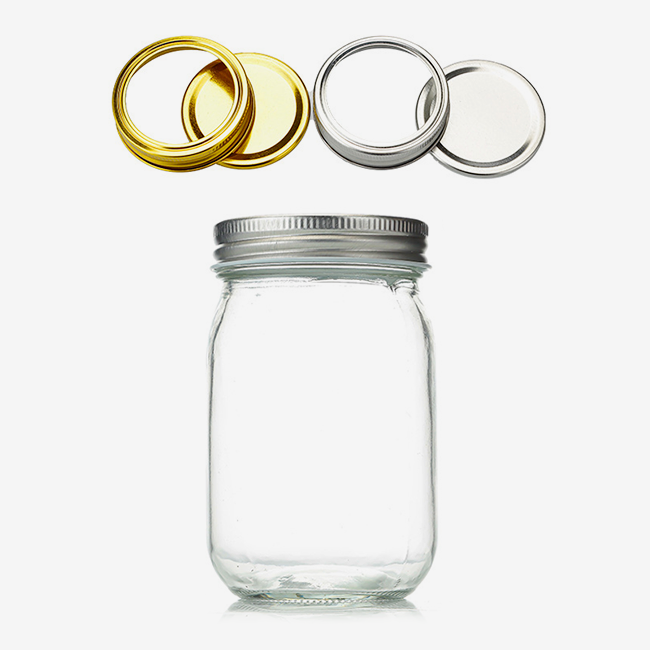
Borosilicate glass is excellent for storing food. This specialized glass material offers exceptional thermal shock resistance, chemical inertness, and durability that far surpass ordinary glass and plastic containers. When paired with a high borosilicate storage jar stainless steel lid, you get an optimal solution that combines the glass's purity with the lid's hermetic sealing capability. This pairing ensures your stored items remain fresh, uncontaminated, and properly preserved across a wide temperature range, making it a preferred choice for both household users and B2B procurement professionals worldwide.
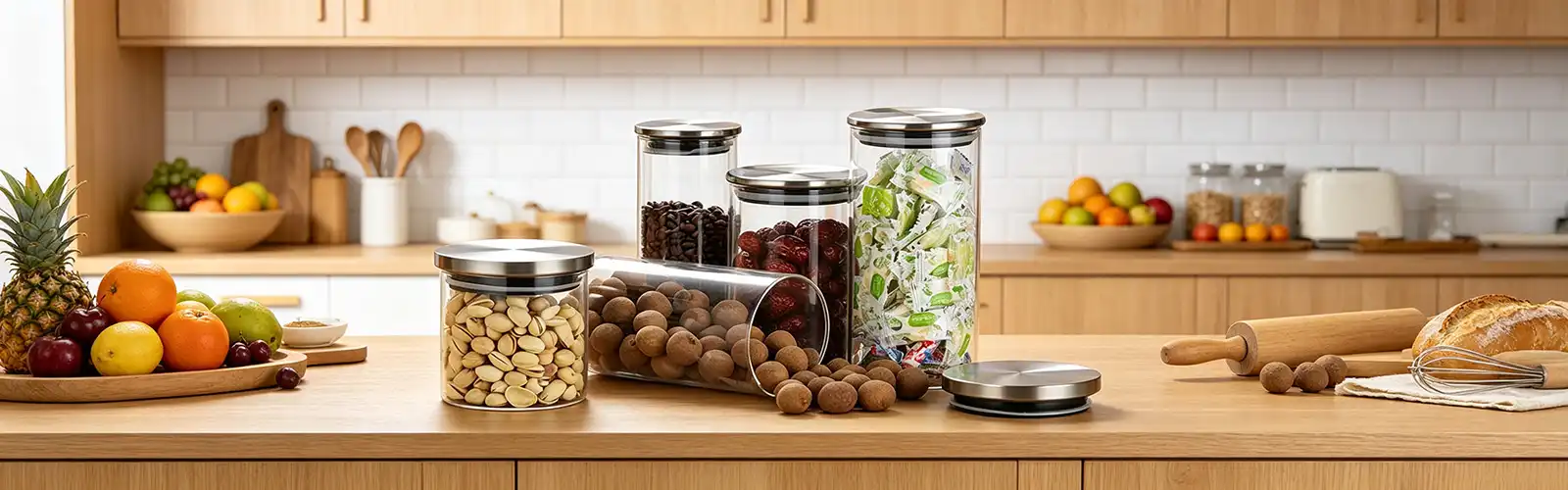
What Is Borosilicate Glass and Why Is It Ideal for Food Storage?
The Science Behind Borosilicate Glass Composition
B3O4 (7–13%) and silica (70–80%) make up a lot of high borosilicate storage jar stainless steel lid. In this case, the coefficient of linear expansion is 3.3 x 10⁻⁶/K, which is very low. Because of this special mix, the glass doesn't break or crack when the temperature changes quickly by up to 150°C. Most containers are made of soda-lime glass, but borosilicate glass keeps its shape when it goes from the freezer to the microwave or from being stored cold to being filled hot.
The molecular structure of borosilicate glass makes its surface non-porous, which means that chemicals used for colors, smells, and tastes can't pass through it. These chemicals won't break down or leak over time, so acidic foods like tomato sauce, alkaline ingredients, or oily substances won't either. Borosilicate glass that is safe for food is made to follow FDA rules and other international standards, like LFGB approval. If a business needs proof that their supply lines are legal, this gives them peace of mind.
Safety Advantages for Food Contact Applications
If you want to store food, you should still think about how safe the chemicals are. The high borosilicate storage jar stainless steel lid doesn't have any of the harmful chemicals that are often found in plastics, like lead, cadmium, BPA, phthalates, and more. You don't have to worry about chemicals getting into stored things because it is naturally clean. This is very important for things that will be kept for a long time, foods that are acidic, or drinks that are hot.
The tests show that borosilicate glass stays stable even when the pH level goes from being very acidic to being very basic. So, you can store a lot of different things in it, from citrus-based foods and vinegar solutions to dairy products and pickled foods. People who work in the pharmaceutical, makeup, and healthcare industries can really benefit from this chemical safety when they need to package sensitive items that need to be 100% pure.
Enhanced Performance with Stainless Steel Lid Integration
These high borosilicate storage jar stainless steel lids are made of borosilicate glass and have lids made of SUS304 or SUS316 grade stainless steel. They can be used for more than one thing at the same time. The stainless steel part is stronger mechanically than lids made of plastic, wood, or rubber. Good stainless steel doesn't rust, even in damp places. This means that it keeps its protective quality even after years of use.
Food-grade rubber covers that press against the rim and lid of the jar to make an airtight seal that keeps food fresh and dry are used on most high-end models. For hygroscopic materials like certain flours, dried ingredients, and drugs that break down in water, this ability to keep air out is very important. When the temperature changes, some plastic lid systems bend or become less flexible. This seal, on the other hand, stays strong.
Transparency and Practical Monitoring Benefits
Because borosilicate glass is so clear, it can be used to keep track of things and make sure that quality standards are met. Because it's easy to look inside, you can quickly see what's inside without having to open the packages and risk losing the freshness. Being open helps both stores that want to show off their goods and factories that need to keep track of where their ingredients come from and how well their products are doing.
Comparing Borosilicate Glass Jars with Alternatives: Making the Right Choice for Your Business
Borosilicate Glass Versus Standard Soda-Lime Glass
Most glass that is made is soda-lime glass, but it doesn't do well in hot temperatures, so it's not great for keeping food fresh. Sudden changes in temperature can cause soda-lime glass to crack or break into small pieces, which can be dangerous and lead to the loss of goods. Borosilicate glass doesn't have this weakness because of how it's made.
Because high borosilicate storage jar stainless steel lids are made of borosilicate glass, they can be heated and cooled many times between -40°C and 300°C without changing their shape. Good for stores that have a lot of stock because it makes the items last longer and cost less to fix. When first bought, borosilicate glass often costs 15–25% more than soda-lime glass. However, for big buyers, it has a lower total cost of ownership because it lasts longer and breaks less often.
Glass Containers Versus Plastic Storage Solutions
Worries about health and the environment with plastic goods are making people choose what to buy more and more. Many plastics, not just those that don't have BPA, still have chemicals that can get into food when cooked or mixed with acidic substances. Phthalates, adipates, and other plasticizers can move from plastics that touch food to things that are stored.
More and more, people pick glass over plastic because they care about the earth. You can recycle borosilicate glass over and over again and it will still be good, so you can use it over and over. Plastic recycling works less well after each round, and most of the plastic items end up in dumps or burning streams. Glass goods are better for companies that need to meet green goals or want to sell to people who care about the environment.
Evaluating Lid Material Performance
Stainless steel lids work better than other materials in a number of ways that are important for business-to-business uses. Even though bamboo lids look nice, they don't always stay in place because the material absorbs water and bends over time. Such changes in size make the cover less strong and leave holes that let dirt in. A lot of plastic lids have parts that break when they get hot, which reduces the temperature range of the container and makes it easier for germs to get inside.
Silicone lids are stronger and look more polished than metal lids, but metal lids are more likely to break if they get hit. Even after being opened and closed thousands of times, stainless steel keeps its shape, function, and good looks. That stuff doesn't let colored foods stain it or smells that move from one thing stored to another. Because of these things, stainless steel is the best choice for businesses that need something that will last and look professional.
Size, Design, and Modularity Considerations
You should think about how the high borosilicate storage jar stainless steel lid will be used and what the item needs before you buy it. With smaller jars (150ml to 500ml), it's easier to control how much of a specialty food, makeup, or medicine you put in a shop shelf and make sure it looks good. Sizes in the middle, from 750ml to 1500ml, are good for naming home things and food storage items. Jars that can hold more than 2000ml are used to store large amounts of food in public kitchens, food service, and factories.
That is why cylindrical forms are better for automatic filling tools and make the best use of shelf space. When you ship and store things in square or rectangular jars, you can pack them more closely together, which lowers the cost per unit. Food service businesses and people who buy from them both often keep a range of jar sizes on hand to better serve both groups. In flexible design systems, lids of different sizes can use the same measurements. This makes it easy to keep track of supplies and lets customers mix and match.
How to Choose the Best Borosilicate Storage Jar with Stainless Steel Lid for Your Procurement Needs?
Assessing Your Operational Requirements
Figuring out exactly what you want to use it for helps you pick the right materials and features. High borosilicate storage jar stainless steel lids used in industrial food preparation need to be able to handle being scrubbed, cleaned in a business dishwasher, and rough handling while a lot of food is being made. Brands that sell in stores care a lot about how things look, like label surfaces, high-end finishes, and unique shapes that make items stand out on busy shelves. A lot of the time, OEM clients need a lot of ways to customize their orders. For example, they may want to be able to etch their name on the product, coat it in different colors, and make the lid fit in different ways.
The temperature needs greatly impact the selection of borosilicate materials. When it comes to uses like autoclaving, direct flame heating, or very low temperatures, the strictest standards with proven thermal shock values are needed. Standard uses for food storage don't have as many strict requirements, so meeting those requirements properly can help keep costs low. You can avoid over-specification, which raises costs without better performance, if you know how your materials are actually exposed to temperature.
Critical Selection Criteria for B2B Procurement
What makes a high borosilicate storage jar stainless steel lid last longer and how easily it breaks when moved or handled is the width of its walls. Most borosilicate jars used for storing food have walls that are 2.5 mm to 4 mm thick. For business use, walls that are heavier are better, while walls that are lighter are better for use in the market. When things hit, thick walls protect better, but they also add weight and material costs, which changes how things are treated and how much it costs to ship.
General promises that something is airtight should not be used. Instead, specific performance standards should be used. Tests for vacuum loss can be used to find out how well something closes. When you carefully seal a jar, the pressure inside stays there for a long time. You can be sure that the closing will work the same way in every production batch if you ask the providers to approve the tests. This information is very important for businesses that need to show proof of success to follow the rules or keep up with quality standards.
Supplier Evaluation and Quality Assurance
Checking a supplier's skills can save you money and keep the quality of the goods the same. Factory audits show how much can be made, how quality control systems work, and what kinds of specific skills are available. Every one of these things has an effect on how frequently orders are met. For example, well-known manufacturers put their products through a lot of tests to make sure they can handle heat shock and check the sizes with ultrasound scales. They also check metal parts for salt spray rust.
Certifications are a real way to prove that rules about food contact have been followed. Look for sellers whose borosilicate glass meets ISO 3585 standards and whose glass and lid have FDA food-contact approvals. If the food is approved by the LFGB, it means it meets German safety standards. This makes European markets more likely to buy it. With these permits, the government is less likely to take action, and it's easier for foreign goods to go through customs.
Pricing Strategy and Bulk Purchasing Considerations
Borosilicate glass jars cost different amounts based on their size, wall thickness, lid design, and the number of jars bought. Items that aren't very big or heavy normally cost between $2 and $8 each. You can get 30 to 40 percent off the price, though, if you buy more than 5,000 units at once. A lot of manufacturers set minimum order amounts between 1,000 and 3,000 pieces per SKU. Some will take smaller packages, but it will cost them more.
When you plan for wait times, you should think about how long it will take to ship, how long it will take to make, and if there are any changes that need to be made. Most standard items that are sold from stock are shipped within 7 to 15 days. If you want a unique design, on the other hand, it might take 45 to 60 days to make a mold just for you before production starts. Once the goods are made in Asia, they generally take an extra 25 to 35 days to get to North America by ocean. To put this another way, you need to plan ahead for times when demand will be high, like when you want to start a new product or when a certain season comes around.
Conclusion
Businesses that need to store food in a way that is reliable, safe, and lasts a long time should use borosilicate glass storage jars with stainless steel lids. Because the material is very resistant to heat, chemicals, and wear, it solves important problems in many areas, from making food to packing makeup. You shouldn't just look at the price when you compare different ways to buy something. Check the supplier's credentials and quality processes, and figure out the total cost of ownership. You should also think about what your business needs are. High-quality borosilicate containers are worth the money because they last longer, don't break as easily, help your brand stand out, and are in line with green goals that customers and the government are becoming more interested in.
FAQ
Can borosilicate jars with stainless steel lids maintain airtight seals during temperature fluctuations?
Yes, good borosilicate jars do a great job of keeping their lids on in a wide range of temperatures. When it's hot or cold, borosilicate glass doesn't change size much. Also, stainless steel lids that are made correctly have food-grade rubber seals that stay flexible from freezer temperatures to hot-fill situations. The seal doesn't let air in because the cover is always pushing against the jar's edge. You can be sure that this speed will be kept up in all production runs if you choose providers who test for vacuum decay.
Where can I find reliable wholesale suppliers of borosilicate storage jars?
Suppliers you can trust usually have a few things in common: they own their own factories instead of using trading companies as middlemen; they have quality certifications like ISO and FDA approvals; they offer samples so you can try them out before you buy a lot; and they are clear about lead times and customization options. You can find out how reliable a seller is by reading audit reports on them, going to trade shows in the same line of work, and calling their past customers. In China's specialized glass production regions, well-known glass makers offer low prices and the technical know-how to make projects that are unique.
Are these jars suitable for laboratory and pharmaceutical applications beyond food storage?
Of course. You can store lab chemicals, make medicines, and pack medical devices in borosilicate glass because it doesn't easily change temperature and doesn't react with chemicals. The material is strong enough to handle being autoclaved, acids, and bases, and it keeps delicate items clean. For these tough uses, a lot of business-to-business buyers in the healthcare industry need borosilicate containers. They also often need extra licenses that show standards for cleaning and material tracking.
Partner with Xuzhou Pinyunyi Glass for Premium Borosilicate Storage Solutions
The Xuzhou Pinyunyi Glass Products Co., Ltd. makes durable borosilicate storage jars with stainless steel lids for use in the food packing, cosmetics, drugs, and home goods industries. Our modern production center is home to almost 100 skilled workers who make sure that both standard products and unique designs are made to the highest standards and at the most reasonable prices. As a trusted high borosilicate storage jar stainless steel lid manufacturer, we maintain rigorous quality control throughout every production stage, from mold development through final inspection, ensuring your procurement meets the most stringent safety and performance standards.
We can make any change you want to your order, from writing your name to making molds for odd-shaped jars and lids with special finishes that make your brand look better. Our things have been tested and shown to work well in many different market conditions. People in North America, Europe, Australia, and other places buy them. You can get personalized help from our team throughout the whole buying process, no matter if you need a few special items or a lot of them.
You can write to 18168782056@163.com or go to www.pyyglassware.com to talk to our B2B sales team about your needs, get product samples, and get full prices with savings for buying in bulk. Want us to help your business? We can give you high-quality glass packaging choices that will make your goods better, make sure you follow all the rules, and help you stand out in the market.
References
Chen, L., & Wang, M. (2021). Thermal Properties and Applications of Borosilicate Glass in Food Packaging. Journal of Food Engineering and Technology, 15(3), 234-248.
Davidson, R. J. (2020). Material Safety in Food Contact Applications: A Comprehensive Guide for Procurement Professionals. New York: Industrial Publishing Group.
European Food Safety Authority. (2019). Scientific Opinion on the Safety Evaluation of Borosilicate Glass for Food Contact Materials. EFSA Journal, 17(8), 1-47.
Henderson, K. A., & Thompson, S. R. (2022). Comparative Analysis of Container Materials for Long-Term Food Preservation. International Journal of Food Science, 29(4), 567-582.
Liu, P., Zhang, Y., & Zhou, H. (2020). Advanced Glass Manufacturing Technologies and Quality Control Systems. Shanghai: Materials Science Press.
United States Food and Drug Administration. (2018). Guidance for Industry: Glass Containers for Food and Beverage Packaging. FDA Regulatory Guidelines, Document No. FDA-2018-D-1247.
Learn about our latest products and discounts through SMS or email