- English
- French
- German
- Portuguese
- Spanish
- Russian
- Japanese
- Korean
- Arabic
- Greek
- German
- Turkish
- Italian
- Danish
- Romanian
- Indonesian
- Czech
- Afrikaans
- Swedish
- Polish
- Basque
- Catalan
- Esperanto
- Hindi
- Lao
- Albanian
- Amharic
- Armenian
- Azerbaijani
- Belarusian
- Bengali
- Bosnian
- Bulgarian
- Cebuano
- Chichewa
- Corsican
- Croatian
- Dutch
- Estonian
- Filipino
- Finnish
- Frisian
- Galician
- Georgian
- Gujarati
- Haitian
- Hausa
- Hawaiian
- Hebrew
- Hmong
- Hungarian
- Icelandic
- Igbo
- Javanese
- Kannada
- Kazakh
- Khmer
- Kurdish
- Kyrgyz
- Latin
- Latvian
- Lithuanian
- Luxembou..
- Macedonian
- Malagasy
- Malay
- Malayalam
- Maltese
- Maori
- Marathi
- Mongolian
- Burmese
- Nepali
- Norwegian
- Pashto
- Persian
- Punjabi
- Serbian
- Sesotho
- Sinhala
- Slovak
- Slovenian
- Somali
- Samoan
- Scots Gaelic
- Shona
- Sindhi
- Sundanese
- Swahili
- Tajik
- Tamil
- Telugu
- Thai
- Ukrainian
- Urdu
- Uzbek
- Vietnamese
- Welsh
- Xhosa
- Yiddish
- Yoruba
- Zulu
How to open a glass jar with a wooden lid?
Wooden lids for glass jars don't have to be hard to put on. To do it, you need to know how to combine wood and glass. Forests naturally take in water from the air. This makes the lid a little bigger, which helps it fit better around the glass. Even skilled hands may find it challenging to open a striped glass jar with wooden lid when the temperature changes or the jar hasn't been opened in weeks. It is easy to open without hurting either part if you use gentle heat, get better at gripping, and know how the vacuum seal works.
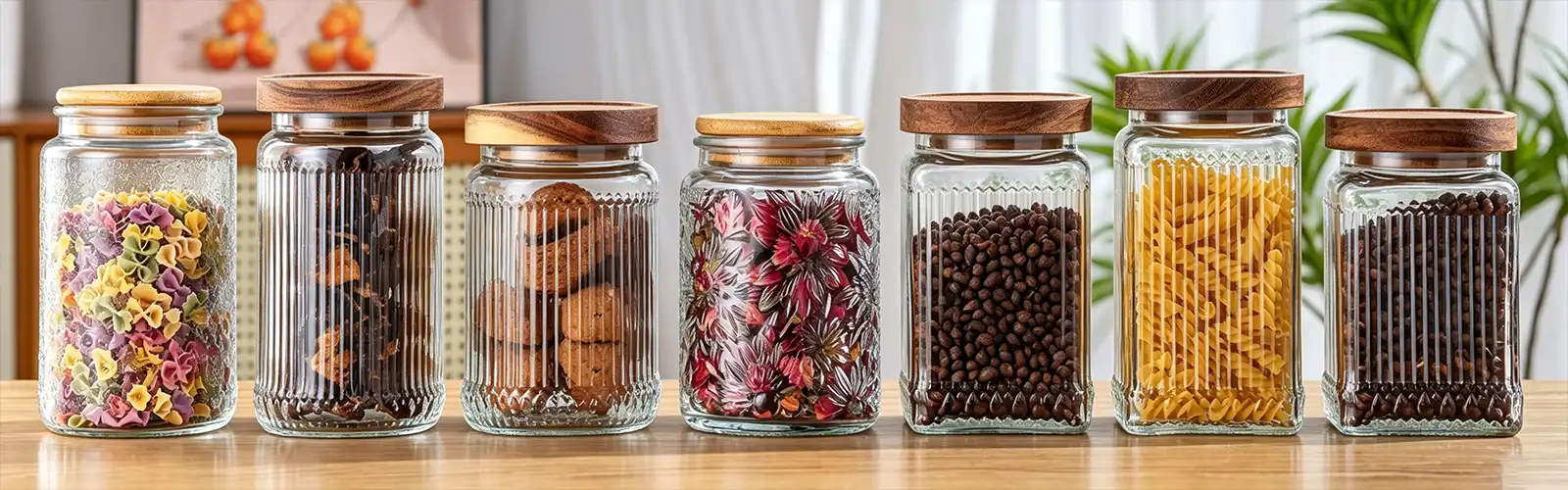
Why Opening Glass Jars with Wooden Lids Can Be Tricky?
Putting glass containers with wooden lids together makes a package that looks great on kitchen tables and store shelves. But this pairing makes technical problems that are very different from those that come up with normal metal-threaded caps. Hygroscopic means that wood naturally shares water with the air around it. When the air is more wet, wooden lids soak up water vapor. This makes the fibers grow and spread. The seal between the lid and the rim of the jar gets tighter because of this growth. The seal can be surprisingly strong.
Metal caps have threaded systems that help them open. Wooden lids, on the other hand, usually have flat sides that touch the container or very little threading. For the seal to work, the lid's width must be exactly the same as the jar's opening, to within a few millimeters. This keeps air out and makes it easy to open the lid. Tighter limits are often what people aim for when they make jars that can keep food fresh and dry. When the jar has been closed for a long time, this can make it harder to open.
The Role of Vacuum Seals in Wooden-Lidded Jars
A lot of striped glass jar with wooden lid have food-safe rings or rubber seals between the glass and the wood. The vacuum seals made from these parts keep things safe by not letting air escape. When you put the lid on a jar that has warm things in it, the freezing process inside creates negative pressure. The jar "sucks" the lid down with a certain amount of force. To beat the difference in air pressure, either the internal pressure has to be equalized or enough upward force has to be applied. For bigger holes, this can be several pounds of resistance.
As it is, wood is porous, which makes this task even harder. Wooden lids that have been finished and cleaned are better at keeping water out than lids made of raw wood, but they still change more quickly than materials that don't change, like stainless steel or aluminum. In the winter, it might be easy to open the same jar, but in the summer, it might be hard to open.
Step-by-Step Methods to Open a Glass Jar with a Wooden Lid
You need to use the right method for the type of pressure you're having in order to open a striped glass jar with wooden lid. Try these tried-and-true ways one after the other before you use force that could break the glass or damage the lid. In order to close, each way does something different, like improve the grip, stretch the material, or let the air out.
Enhancing Grip and Leverage
Your hands are what open the door, but damp and smooth wood can make contact much less noticeable. Putting a dry dish towel around the lid makes the wood surface bigger where your hand touches it. It's easier to hold on to and the pressure is spread out better. Rubber grip pads were first created to help people open the lids of metal jars. They're great for wood because the rubber forms to the shape of the wood grain, fitting together mechanically to keep the wood from moving.
Silicone oven mitts have the same benefits, and they won't melt in hot weather either, so you can use the next way without worry. Hold the jar body still and twist the lid counterclockwise when using any grip enhancement. If you slightly press down on the lid as you turn it, the contact pressure stays even around the whole edge instead of focused on the spot where you hold it tightest.
Temperature-Based Expansion Techniques
The different rates at which wood and glass expand and shrink are used to control the application of heat. Run warm (not hot) water over the wooden lid for 20 to 30 seconds. This will help the wood fibers spread out a bit. It's strange, but letting water in makes the seal tighter. On the other hand, letting the wood grow quickly over heat makes it bigger faster than the water can get through finished surfaces. Glass stays cooler and the same size because it doesn't move heat around as well as wood does. In the short term, this makes a change in size that lowers the touch pressure.
Warm the lid, then use a towel to dry it all the way before you try to open it. Even though the size is better, water on the top makes it easier to open. This method works best with pretty jars that are made of thick glass that doesn't let temperature changes happen. A lot of nice glass jars have stylish designs that are raised on them. There is more surface area because of these designs, which helps to keep the temperature difference between the wood and the glass.
Breaking the Vacuum Seal Safely
If vacuum pressure makes it hard to open, you need to make sure that the pressure inside and outside of the container are equal before the lid will be easy to take off. A butter knife or thin spatula can be slowly moved between the lid and the rim of the jar to make a small hole for air to enter. It's important not to scratch the glass or break the silicone seal. You're not trying to take the lid off, just make a small hole.
You can tell the pressure is gone when you hear or feel a hissing or popping sound. Giving the lid a small twist should make it feel easier right away. The pressure effects are stronger when the jars are cold, so this method works best with jars that were sealed with warm things inside. This method is often used in professional kitchens because it lowers the chance of spilling compared to methods that need more force.
Preventive Maintenance for Long-Term Ease of Use
Some things can be done to make sure that striped glass jar with wooden lids stay easy to open for months or even years. Every time you use the wood and glass together, make sure to clean off any food, oil, or waste that might stick to the ones that meet. These toxins can harden into layers that stick together like glue when they dry out. This is very important for honey, jam, and other sweet foods that harden over time.
Every two months, put a very thin layer of food-grade mineral oil on the inside edge of the wooden lid to prepare it. This makes the wood less likely to absorb water and helps it keep its shape. If you use this method too often, too much oil can get into things you're keeping and make them slippery. When you store jars in climate-controlled rooms with stable humidity levels, the parts don't expand and shrink as much, which would wear down the fit over time.
Key Factors When Selecting Glass Jars with Wooden Lids for B2B Procurement
Large businesses buy striped glass jar with wooden lid for more than just the way they look. But the way they look does affect what people buy and how they feel about a brand. Technical details, material quality, and precise production are what make high-quality goods stand out from average ones. You can be sure that the jar's features meet the needs of your purpose and target market.
Comparing Closure Materials for Different Applications
There are times when wooden boxes are the best way to pack, but there are also times when they are not as good. Metal seals last longer and keep air out better, so they are great for things that need to stay fresh for a long time or be opened and closed a lot. But metal doesn't have the warm, natural look that people who want homemade or eco-friendly goods want.
Lids made of ceramic or porcelain look nice and keep water out, but they are heavy and break easily, which drives up the cost of shipping and the number of broken lids. Plain glass lids make everything look more even and let you see the whole thing, but they don't feel different and can get slippery when condensation forms. Wooden locks show that you care about the environment, they seal well enough for many uses, and they give the product a real feel that makes it seem more valuable. Because of the natural changes in the grain, each closing is a little different. In order to create elite brands for unique foods, hand-made makeup, and craft items, this will help.
Critical Technical Specifications for B2B Buyers
When looking at big-ticket providers, a number of technical factors have an immediate impact on both how easy it is for users and how well activities run. The type of wood used, how it is made, and how good the seal is all affect how well wooden lids keep out water. Dense hardwoods, like bamboo or beech, don't bend as easily as softer species, so their sizes don't change much when the humidity level changes. Many coats of paint protect well from water while still letting the wood's natural grain show. This is both useful and nice to look at.
Building with thick glass has effects on more than just how long it lasts. How well the glass deals with thermal shock, how the weight is spread, and how clear the artistic elements are are all affected by the thickness of the wall. To make sure that the stylish designs that are raised or etched into the jars' surfaces stay clear and stand out, high-end brands use soda-lime glass or borosilicate mixes that are very clear. Brands that want to stand out can use customizable bottles, and providers give you a lot of ways to make them your own. Some manufacturers only offer ways to decorate the surface, such as etching or marking. Full-service partners, on the other hand, can change the jars' sizes, create their own molds, and add brand-specific ways to close the jars.
Supplier Evaluation and Partnership Considerations
You need to look at more than just their product lists to find reliable glass jar makers with whom you can work together. The more a seller can make, the better they can grow with your business. If a maker is good at handling orders of 5,000 units at first, it might be hard for them to keep up quality and shipping times when orders rise to 50,000 units every three months. Controlling quality is done according to rules. Goods that are all the same are different from those that change too much in size, end quality, or closing performance.
It is very important for food and makeup that the seals stay strong across production runs. This is because the quality of the product rests on how well the package works. Find out exactly what the accepted amounts are for measures like the width of the lid, the thickness of the rim, and the compression of the gasket. Also, find out how these values were tested to make sure they were correct. Know the rules for packing, the best way to load packages, and how often things get damaged during transport. These things have a direct effect on your landed costs and on how happy your customers are. For the best factory partners, they see themselves as an extension of your supply chain. They will let you know ahead of time about production plans, possible delays, and ways to save money by changing specs or combining orders.

Conclusion
For best results when using glass jars with wooden lids, learn about the science behind how wood and glass react, find out how to open them properly, and pick items that are right for your needs. Aside from how they look, these goods are appealing because the makers have thought carefully about how to make them sustainable, user-friendly, and in a way that appeals to modern shoppers in the food, makeup, and gift markets. These beautiful, useful containers will last a long time if you focus on quality manufacturing, proper maintenance, and partnerships with suppliers. This is true whether you're dealing with immediate issues like lids that won't close or making strategic buying decisions for large-scale operations. People who just want to get things done can use these tips and tricks. So can people who buy from other businesses and want to build supply lines around packaging that makes their goods better and helps their businesses succeed in the long run.
Partner with Xuzhou Pinyunyi Glass for Your Wooden-Lid Glass Jar Needs
Xuzhou Pinyunyi Glass is ready to help you pack your glass items because they make many different things and are very good at making cases with wooden lids. Glass jars with stylish patterns, thick glass, and bottles that can be changed to fit the needs of your brand are all made in our plant. Our waterproof cases look great and work great, so you can be sure that your customers will like both. We've found the best balance between strong seals and easy opening.
As an established striped glass jar with wooden lid manufacturer, we serve diverse industries including food packaging, cosmetics, gifts, and home goods sectors across North American and European markets. When clients work with our expert team, they help them find the best jar specs, the best wood species and finishes, and unique ways to make your products stand out in a market full of other similar products. We do everything we can to help you, whether you need first tests to make sure the quality is good, help with safety certifications, or full production runs with all the supplies you need. Visit www.pyyglassware.com or email our team at 18168782056@163.com to learn more about how our glass packaging can help you show off your goods better and make the experience better for your customers.
FAQ
What should I do if the wooden lid becomes damaged or cracked?
Wooden lids with small cracks on the outside usually don't stop working right away, but they do make it easier for water to get inside, which will weaken the seal over time. There are small cracks in the lid that can be fixed with food-grade wood conditioner or mineral oil. This will make the lid last longer. But if the lid has structural cracks that go through to the inside or damage to the rim that closes it, it needs to be changed so that it can keep out wetness and keep the jar's contents clean.
Are glass jars with wooden lids suitable for long-term food storage?
Because the lids are so tight, these jars are great for storing dry things like coffee, tea, spices, grains, and baking ingredients. The food stays fresh for months. Things that need to stay cold, like jams and pickled veggies, can fit in them if the seals are good. You can store things in them, but not as well in the freezer because the wood-glass joint gets stressed out after several freeze-thaw cycles, and wood can become weak in very cold temperatures. Always check that the jars you want to use meet the food-grade safety standards that are right for the items you want to store and how you want to store them.
Can I request custom sizing or design when ordering in bulk?
Most trustworthy manufacturers will let you change their goods after at least 3,000 to 10,000 units, depending on how hard the change is. It's usually easier to print or cut on the surface than to change the structure, like when you need to make a custom mold for a specific jar shape. Lead times for customized orders are 8 to 16 weeks longer than normal product delivery plans. This is because of the time it takes to get approval on the design, make the tools, and set up production. Providers will be better able to give you accurate cost and feasibility estimates if you tell them about your specific needs early on.
References
Anderson, M. & Thompson, R. (2021). Material Science of Natural Packaging: Wood-Glass Composites in Modern Container Design. Journal of Packaging Technology, 34(2), 145-162.
Chen, L. (2020). Hygroscopic Behavior of Wood Closures in Food-Grade Glass Containers. International Food Packaging Review, 18(4), 287-301.
Harrison, D. & Patel, S. (2022). Consumer Perception and Purchase Behavior: The Impact of Sustainable Packaging Materials. Marketing Research Quarterly, 29(1), 56-73.
Mitchell, K. (2019). Vacuum Seal Mechanics in Non-Threaded Container Closures. Packaging Engineering International, 41(3), 112-128.
Rodriguez, A., Kim, J., & Walsh, P. (2023). Comparative Analysis of Closure Systems for Artisan Food Products. Food Science and Packaging, 37(2), 201-219.
Williams, E. & Bradford, N. (2020). Best Practices for Glass Container Maintenance in Commercial Food Operations. Journal of Culinary Equipment Management, 15(3), 88-104.
Learn about our latest products and discounts through SMS or email