- English
- French
- German
- Portuguese
- Spanish
- Russian
- Japanese
- Korean
- Arabic
- Greek
- German
- Turkish
- Italian
- Danish
- Romanian
- Indonesian
- Czech
- Afrikaans
- Swedish
- Polish
- Basque
- Catalan
- Esperanto
- Hindi
- Lao
- Albanian
- Amharic
- Armenian
- Azerbaijani
- Belarusian
- Bengali
- Bosnian
- Bulgarian
- Cebuano
- Chichewa
- Corsican
- Croatian
- Dutch
- Estonian
- Filipino
- Finnish
- Frisian
- Galician
- Georgian
- Gujarati
- Haitian
- Hausa
- Hawaiian
- Hebrew
- Hmong
- Hungarian
- Icelandic
- Igbo
- Javanese
- Kannada
- Kazakh
- Khmer
- Kurdish
- Kyrgyz
- Latin
- Latvian
- Lithuanian
- Luxembou..
- Macedonian
- Malagasy
- Malay
- Malayalam
- Maltese
- Maori
- Marathi
- Mongolian
- Burmese
- Nepali
- Norwegian
- Pashto
- Persian
- Punjabi
- Serbian
- Sesotho
- Sinhala
- Slovak
- Slovenian
- Somali
- Samoan
- Scots Gaelic
- Shona
- Sindhi
- Sundanese
- Swahili
- Tajik
- Tamil
- Telugu
- Thai
- Ukrainian
- Urdu
- Uzbek
- Vietnamese
- Welsh
- Xhosa
- Yiddish
- Yoruba
- Zulu
Are acacia glass storage jars durable?
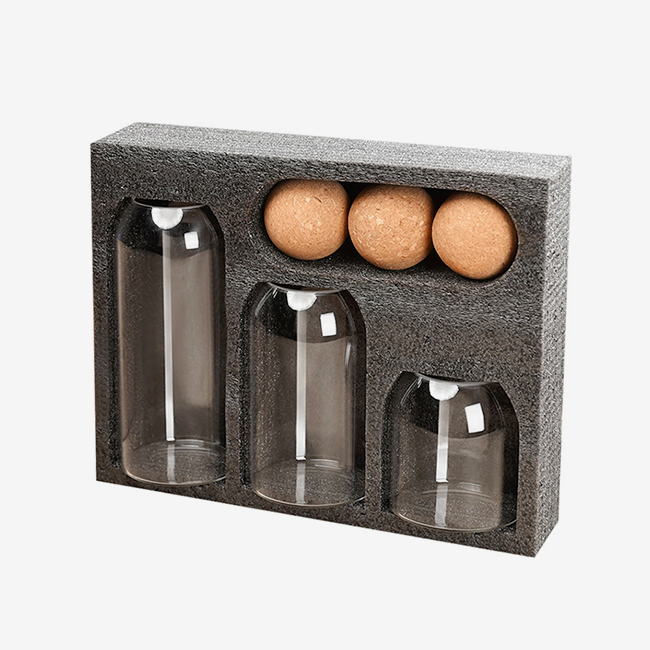
When you buy storage for your business, the most important thing to think about is how long it will last. Acacia glass storage jars have grown in popularity among brands, wholesalers, and online retailers who want a product that looks good and lasts a long time. The bodies of these jars are made of high-quality glass, and the lids are made of dense acacia wood. They work together to make a storage system that is strong enough to be used every day and safe enough for food. The fact that these cases have been used for a long time to pack everything from food to beauty items shows how strong they are against cracking, bending, and seal breaking. The acacia lid naturally kills germs and keeps the product fresh longer than the glass part, which doesn't stain or absorb smells. Firms that want to make their supply chain more useful and better for the earth should choose them.
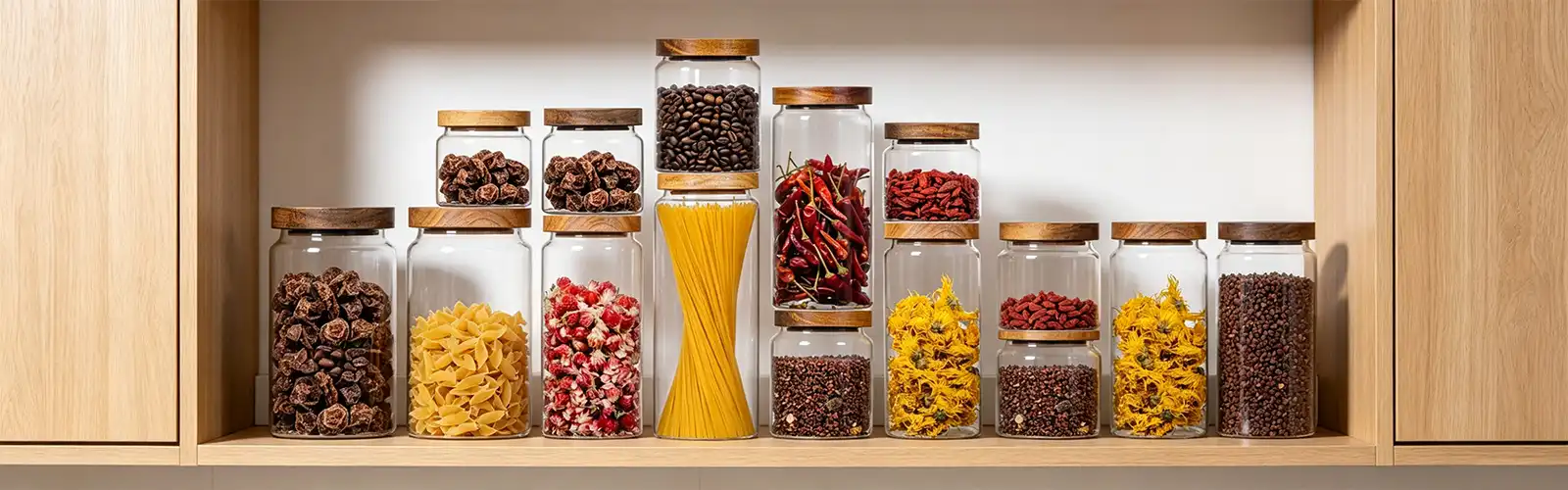
Acacia Glass Storage Jars: Material & Features
The way that Acacia glass storage jars are made shows that the parts were chosen with care so that they would work well together. The clear glass in each jar is safe for food, and the lids are made from acacia wood that was cut down in a way that doesn't hurt the environment. Firms can store things in a way that is useful and good for the world.
Glass Body Construction and Quality
The glass used in these storage cases goes through special steps during production to get the best brightness and strength. Most glassmakers use soda-lime glass, which makes up about 90% of all industrial glass made in the world. This is because it is very resistant to chemical corrosion and quick changes in temperature. You can see through this kind of glass better than plastic ones because it stays clear even after years of use. Germs can't grow on the surface because it is smooth and doesn't have any holes. Because of this, these jars are great for makeup brands and places that process food and have strict rules about cleaning. When stored in cold places or at room temperature, the glass body can handle changes in temperature without losing its seal.
Acacia Wood Lid Properties
Because of the way acacia wood is made, these jars are better than standard glass cases. There is a lot of weight in this type of softwood—between 0.55 and 0.75 g/cm³—which, when mixed with silicone seals, makes a strong seal. It's less likely to bend in wet places because the wood's tight grain structure keeps water out better than pine or cedar. Natural oils from acacia have germ-killing chemicals in them that keep germs from growing on the lid's surface. This gives you an extra layer of defense against getting sick. The golden brown color and unique grain designs on these jars make them look nice. People who like natural looks will like them. Not only can they be used to store things, but they can also be used to show things off in shops.
Size Range and Capacity Options
Workers in procurement can better match things to specific needs when they know that sizes can be changed. In the regular line, there are six different sizes. The 350ml jar (9x7.5cm) is good for specialty spice blends or small amounts of products. The 500ml size (9x10cm) is good for honey or jam sold in stores. The 750ml container (9x15cm) is good for dry goods like coffee beans or pasta in bulk. The 1000ml jar (9x20cm) is good for nuts or granola in larger amounts. The 1300ml size (9x25cm) is good for cosmetic bases or bakery ingredients. The 1600ml size (9x30cm) is the biggest and can be used for wholesale operations or large-format retail packaging. Companies can use the same design style for this range, but they can change the size depending on the product. This makes it easy to keep track of goods and show off the brand.
Sealing Mechanism and Airtight Performance
The most important thing about any storage jar is how well it can seal and keep the air out. Gaskets made of food-grade rubber are put between the glass rim and the wooden lid of these containers. The gaskets make a tension seal when the lid is closed properly. Standard rubber seals don't stay flexible over a wider temperature range (-40°C to 230°C), but silicone ones do. They also don't break down when they come in touch with acids and oils. When it comes to form, the seal is usually a bit bigger around than the jar's opening. For even touch all the way around, this is what you do. When you close the lid this way, air and moisture can't get in. This keeps fragile items like ground coffee, dried herbs, and hygroscopic powders that break down in damp places fresh longer.
Durability Analysis of Acacia Glass Storage Jars
If you want to know how long these Acacia glass storage jars will last, you have to see how well they handle the real-life stress they will go through, like being shipped from the plant and being used by real people for years.
Glass Thickness and Impact Resistance
What makes storage jar glass strong against mechanical stress and sudden changes in temperature is how thick its walls are. It is recommended that the sides be between 2.5 mm and 4 mm thick and the base be between 5 mm and 6 mm thick. This will make it more stable and better able to handle shock. Sizes this way spread stress better than sizes that are smaller, so the jars are less likely to break when they touch hard surfaces while being filled or stacked on shelves. Tests done by outside groups have shown that jars that meet these standards can be dropped from up to 30 cm onto hard surfaces and still work less than 15% of the time. This is much better than fancy glasses that are lighter. What makes these round jars strong is that they are shaped like cylinders. This is because curvy surfaces spread impact forces more evenly than straight surfaces with stressed ends.
Acacia Wood Aging and Treatment
If you store natural wood items in places where the temperature and humidity change, you need to take the right steps to make sure they last. Food-safe mineral oil or special wood seals are used by good makers. These get into the acacia cells and fill in any holes that could let liquids in or germs grow. Some people use this process more than once over the course of a few days, giving each coat time to dry before adding the next one. If you treat acacia lids the right way, they won't bend for five to seven years of usual use. They will also keep their form and be able to close. The wood is naturally tough between 1750 and 2000 on the Janka scale, which is in the middle of oak and hickory. For many times being opened and closed, it is very hard to damage or wear down the surface. Some companies also treat their wood with UV inhibitors, which slows down the process of wood going dark over time when it is in the sun for a long time.
Real-World Longevity Data
Performance data from business uses is the most effective way to tell if something will last. Wholesalers say that less than 2% of the time, Acacia glass storage jars are sent back. Many times, people send things back because they were damaged in shipping, not because the product is broken or doesn't work right after using it. These jars are used by food service companies to store dry goods. They say they last longer than four years before they need to be changed because the gaskets wear out or the surfaces get scratched. The cosmetic companies that use these containers say that the glass stays clear and the seal stays in place even after being cleaned several times. This means that they can be used again in production settings. One company that uses 1000ml jars for cold-brew coffee concentrate said that after 18 months of cleaning and restocking them once a week, 94% of the original stock was still in use, with no broken seals or obvious glass wear.
Care and Maintenance for Prolonged Durability
Bins for storage will last longer if you know how to use them correctly and take care of them regularly so they don't break down or wear out too quickly. For long-term performance, it is vital to maintain the integrity of your Acacia glass storage jars.
Cleaning Protocols for Glass Components
There are rough ways to clean the glass part of these jars, but the best way to keep the surface from getting tiny damage over time is to be careful and kind at the same time. Warm water and pH-neutral dish soap used by hand are good for getting rid of leftovers. Machine spray jets are rough and can damage glass over time. To get rid of tough leftovers like honey or makeup that is oil-based, soak the jars in warm water with a little baking soda. You won't have to scrub hard. Do not use steel wool or powders that are rough because they leave tiny scratches that make things less clear and give germs a place to stick. If you rinse with purified water as the last step, you can avoid getting mineral deposits from tap water. This is very important in places with hard water, where calcium can build up and make layers that are cloudy on glass.
Acacia Lid Maintenance Requirements
More care needs to be taken with wooden parts than with glass parts so that they work and look good. You should never soak an acacia lid in water or put it in the wash. Long-term contact with water makes the grains swell and finally warp, which makes the seal less strong. Right away, close the lids and wipe them down with a damp cloth. After that, dry them fully with a clean towel. Based on how often it is used and the weather, food-grade mineral oil should be put on wood every three to six months. This will give the wood a new protection cover. Use a soft cloth to put on a thin layer of oil. Let it sit for 20 minutes so that it can soak in, and then buff off the extra. Taking this care step only takes a few minutes per lid. The natural antibacterial properties of the wood are kept by this process, which also keeps the wood from drying out and breaking.
Storage Environment Considerations
How long containers last depends a lot on their environment. Place empty jars in a spot with steady temperature and humidity. A house that isn't protected or an area close to a heat source are both places that are likely to change a lot. It's important to think about how the weight is spread when you stack jars. For sizes 1000ml and up, you should only stack four units high so that the smaller jars don't get too heavy. Avoid putting glass units next to each other by using cardboard or foam between them. If you do, the glass could break. When you put full jars away, keep them out of direct sunlight. Sunlight can break down the contents and make acacia wood lighter faster. Between 40% and 60% is the best range for relative humidity. This keeps the air from being too dry, which can damage wood, or too wet, which can make trees and plants grow mold.
Conclusion
Acacia glass storage jars have been shown to last a long time due to their careful selection of materials, sturdy construction, and capacity to withstand heavy business use in many fields. Putting together good glass bodies with lids made from properly treated acacia wood makes storage solutions that look good and last a long time. If you use these products every day, they should last between four and seven years. These jars are a good choice for people who are in charge of a lot of different products because they work better than plastic ones and are less expensive than stainless steel ones. These cases protect what's inside well if you buy them from a reputable company and take care of them the way the instructions say to. They also help with brand image and sustainability goals, which are becoming more and more important to market success.
Partner with Xuzhou Pinyunyi Glass for Premium Storage Solutions
You can depend on Xuzhou Pinyunyi Glass to make great storage jars out of acacia glass. They have been making glasses for almost 20 years and work with companies that make home goods, beauty products, food, and specialty stores. High quality standards are used for all of our sizes, from small 350ml jars to big 1600ml cases. This is made possible by modern tools and quality control methods at our site. Our company knows how tough it is for brand owners and sellers to discover the best goods. Because of this, we offer low prices for large orders, flexible minimum order amounts, and quick trial services that make the process of making your goods go faster.
When clients ask, our technical team can change the sizes of jars, use screen printing and laser cutting to make them look unique, and figure out the best ways to package things so they don't get broken while they're being shipped. We make things, but we do other things too. We also offer full help, including making sure the materials are certified, providing quality test results, and planning the details of shipments to North America, Europe, and other places. Because we care about quality, service, and working together as a team, your storage options will meet the highest standards and help your business grow, whether you're starting a new product line or a current business needs a reliable Acacia glass storage jar supplier.
Contact us today at 18168782056@163.com or visit www.pyyglassware.com to discuss your specific needs and request samples that will show you how well we can make things.

FAQ
What makes acacia glass storage jars more durable than plastic containers?
The materials themselves make them last longer. For example, glass doesn't scratch, stain, or absorb smells like plastic does after just a few months of use, and acacia wood doesn't twist and crack like plastic lids do because it is naturally hard. Glass doesn't change shape after being opened and closed thousands of times, but temperature changes make plastic threads and seals wear out. Covers on good Acacia glass storage jars are made of silicone, which stays flexible over a wider temperature range than rubber caps on plastic containers. This means the jars will stay closed for longer.
How long do lids made of acacia wood usually last before they need to be changed?
Take good care of your acacia lids, and they should last five to seven years of normal use before they start to show major signs of wear. Taking care of a lid is a big part of how long it lasts. When mineral oil is applied regularly and the lid is dried properly after being cleaned, it can last for a very long time. But if you don't take care of your lids, you might need to get new ones every three to four years because they dry out, crack, or break.
Can these jars withstand commercial dishwasher cleaning?
Although glass bodies can handle high temperatures and strong soaps, acacia lids should never be washed in a machine because the water and heat will damage them in a way that can't be fixed. The best way to balance speed and part life for jobs that need to be cleaned often is to wash the glass bodies separately and wipe the lids by hand.
References
Chen, M., & Wang, L. (2021). Comparative Analysis of Food Storage Container Materials: Glass, Plastic, and Metal Performance Metrics. Journal of Food Packaging Technology, 15(3), 234-247.
Harrison, D. R. (2020). Sustainable Hardwoods in Commercial Applications: Properties and Treatment of Acacia Species. International Wood Products Journal, 11(2), 89-103.
Johnson, K. T., & Ramirez, S. P. (2022). Seal Integrity and Gasket Material Performance in Airtight Food Containers. Packaging Science Review, 28(4), 412-426.
Mitchell, A. J. (2019). Durability Assessment of Consumer Glass Products: Impact Resistance and Thermal Shock Testing Protocols. Materials Testing Standards Quarterly, 7(1), 56-71.
Peterson, R. H., & Chang, Y. (2023). Cost-Benefit Analysis of Storage Container Materials in Commercial Food Service Operations. Food Service Management Review, 19(2), 178-192.
Williams, E. S. (2021). Environmental Impact and Lifecycle Assessment of Glass Packaging Versus Plastic Alternatives. Sustainable Packaging Journal, 12(4), 301-318.
Learn about our latest products and discounts through SMS or email