- English
- French
- German
- Portuguese
- Spanish
- Russian
- Japanese
- Korean
- Arabic
- Greek
- German
- Turkish
- Italian
- Danish
- Romanian
- Indonesian
- Czech
- Afrikaans
- Swedish
- Polish
- Basque
- Catalan
- Esperanto
- Hindi
- Lao
- Albanian
- Amharic
- Armenian
- Azerbaijani
- Belarusian
- Bengali
- Bosnian
- Bulgarian
- Cebuano
- Chichewa
- Corsican
- Croatian
- Dutch
- Estonian
- Filipino
- Finnish
- Frisian
- Galician
- Georgian
- Gujarati
- Haitian
- Hausa
- Hawaiian
- Hebrew
- Hmong
- Hungarian
- Icelandic
- Igbo
- Javanese
- Kannada
- Kazakh
- Khmer
- Kurdish
- Kyrgyz
- Latin
- Latvian
- Lithuanian
- Luxembou..
- Macedonian
- Malagasy
- Malay
- Malayalam
- Maltese
- Maori
- Marathi
- Mongolian
- Burmese
- Nepali
- Norwegian
- Pashto
- Persian
- Punjabi
- Serbian
- Sesotho
- Sinhala
- Slovak
- Slovenian
- Somali
- Samoan
- Scots Gaelic
- Shona
- Sindhi
- Sundanese
- Swahili
- Tajik
- Tamil
- Telugu
- Thai
- Ukrainian
- Urdu
- Uzbek
- Vietnamese
- Welsh
- Xhosa
- Yiddish
- Yoruba
- Zulu
Glass Juice Dispenser With Base And Tap
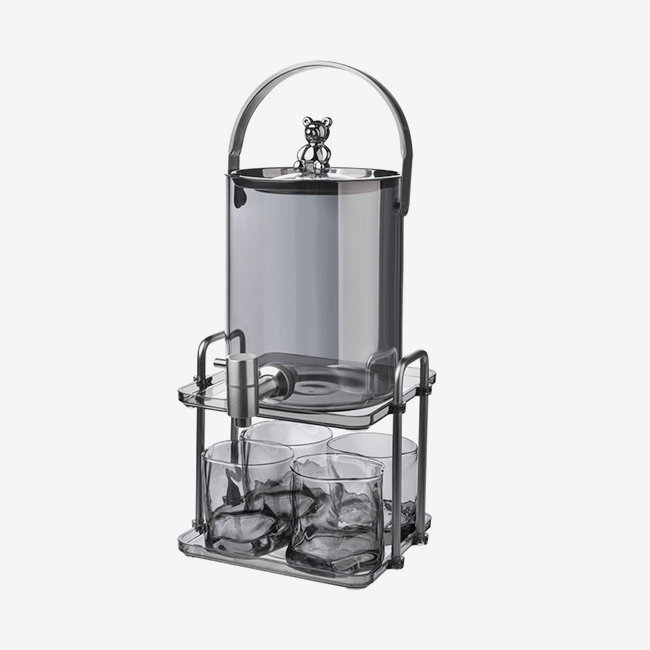
A glass juice dispenser with base is more than just a container for drinks; it's a specialized service solution made for high-end retail, catering, and commercial hospitality settings. This raised beverage vessel has a high-clarity glass reservoir, a precise tap mechanism, and a supportive base structure. It solves three important operational problems: making sure there is enough space for the cup to sit correctly, protecting the surface from cold glass contact, and keeping the structure stable in areas with a lot of foot traffic. When procurement managers look at these units, they buy things that make them work better and make the guests' experience better.


Understanding Glass Juice Dispensers With Base and Tap
The design of these dispensers shows that they were carefully made for heavy-duty commercial use. Each unit is made up of three important parts that work together to provide reliable performance.
Core Components and Design Philosophy
The glass reservoir is the main part of the system. It is usually made of high-borosilicate glass that meets ISO 4802 standards. This material is better at resisting thermal shock and can handle temperature differences of up to 120°C without cracking. This is an important quality to have when going from storing food in the fridge to serving food at room temperature. The process of making injection-blown glass makes sure that the wall thickness is always the same. This gets rid of any weak spots that could break under the weight of 2.5 to 5 liters of liquid.
The base component has more than one strategic purpose besides looking good. Stainless steel bases are very durable in damp places, and they come in a variety of finishes, such as brushed metal, matte black, or gold accents, to match a wide range of interior design styles. The base raises the tap mechanism 3 to 5 inches above the service surface, making room for standard 12-ounce glasses without tilting the dispenser. This is a safety feature that lowers the risk of spills during busy service times.
Material Advantages in Commercial Settings
When it comes to professional beverage service, glass construction is clearly better than plastic alternatives. Borosilicate glass doesn't let flavors soak in because its surface isn't porous. This means that today's citrus punch won't change the taste of tomorrow's herbal water. This chemical neutrality keeps the integrity of the drink for a long time, which is especially helpful for specialty drinks and infused waters where subtle flavor profiles are important.
Transparency is useful for marketing because it turns the glass juice dispenser with base into a visual merchandising tool. Guests can see colorful fruit garnishes and layered drinks, which makes them more likely to drink and supports the high prices. The clarity also lets service staff see at a glance how full the buffet is without having to physically check it, which speeds up the process of restocking it.
Configuration Options for Diverse Applications
The choice of capacity has a direct effect on how efficiently operations run. Smaller 0.5L and 1L units work well for breakfast setups or specialty drink stations where variety is more important than volume. The popular 2.5L size is portable and has enough space for medium-sized events, but it needs to be refilled every 15 to 20 guests. Large operations can benefit from 5L models because they require stronger base designs to support the extra weight during peak service and require less staff involvement.
Different shapes are used for different service situations. Cylindrical dispensers are great for busy buffet lines because they can hold a lot of food in a small space. Profiles that are square or rectangular fit well against walls or in corners. Some businesses use tiered multi-dispenser systems, which have two or three stacked reservoirs at the base. This triples the capacity without needing more horizontal space.
How to Use and Maintain Glass Juice Dispensers With Base?
Following the right operational procedures will make equipment last longer and keep it clean to the standards that B2B clients expect in commercial food service settings.
Optimal Filling and Dispensing Techniques
By chilling both the glass reservoir and the drink ahead of time, condensation doesn't form, which would make the glass juice dispenser with base slippery while it's being used. When you fill it, leave about 1 to 2 inches of space at the top for ice or fruit to fit without spilling over. Carefully place pulpy drinks so that the tap sits 1-2 cm above the bottom of the container. This way, sediment can settle and not get stuck in the dispensing mechanism.
During service, the tap assembly needs to be tested from time to time. Staff should briefly open and close the valve every 50 to 75 times it is used to keep it running smoothly and keep minerals from hardening around the seal. This easy preventative step keeps service interruptions that are bad for guests from happening.
Cleaning Protocols for Longevity
To protect the parts, disassembly is done in a certain order. Take off the whole tap assembly by separating the 304 stainless steel valve, the food-grade silicone gaskets, and the hardware for mounting it. The glass reservoir can handle standard cycles in commercial dishwashers, but the seal on the tap parts will last for thousands of uses if they are washed by hand.
Managing moisture is very important for bases made of wood or bamboo. You should never submerge these natural materials; instead, wipe them down with a damp cloth and let them dry right away to keep the right 8–12% moisture level that keeps them from warping. Applying food-safe mineral oil to metal bases every three months will keep the finish shiny and protect it from rusting in humid buffet settings.
Environmentally Conscious Handling
Businesses that care about the environment like glass dispensers because they can be used more than once. Over the course of its life, a good unit can replace thousands of single-use plastic bottles. When small chips or scratches show up on the edge of the glass, professional glass polishing services can make it smooth again so it can be used for food instead of having to be replaced. Because it is modular, each part can be replaced separately. For example, a worn-out tap assembly can be replaced without having to throw away the whole unit.
What you store between service periods is important. Turn clean, dry dispensers upside down to keep dust from building up in the reservoir. To keep silicone gaskets from breaking down from ozone or UV light, store taps separately in containers that can't be opened.
Comparison and Selection Criteria for Procurement
To do strategic procurement, you need to know how certain features affect operational value and return on investment.
Base vs. Non-Base Configurations
Dispensers without bases cost 20–30% less at first, but they have hidden costs that add up over time. If service staff doesn't put these units on makeshift risers, they could end up with awkward dispensing angles that slow down service and make spills more likely. An integrated base system looks professional and tells guests that the food is of high quality. This is especially important for high-end hotel breakfast buffets or corporate event catering where how people see the brand is important.
Stability testing shows differences that can be measured. A 5L glass juice dispenser with base without a base can tip over with about 35 to 40 degrees of lateral force, which is easy to go over when guests bump into it or kids reach up to use the tap. If the base is properly engineered, the same reservoir can handle 60 to 70 degrees of force before it becomes unstable. This meets safety standards for high-traffic areas at work.
Glass Versus Plastic Construction Analysis
The choice of material affects both the short-term costs and the long-term value. Plastic dispensers are 40–60% cheaper up front, but they turn yellow after 12–18 months of UV light exposure and get tiny scratches that bacteria can live in even after being cleaned. High borosilicate glass stays clear for 5 to 7 years when used in a business setting, and its high-end look means that it should be priced higher on the menu, which can pay for itself in the first year of operation.
Chemical resistance tests show that when acidic drinks are dispensed, glass works better than plastic. Lemon and lime juices are often used in food service, and they cause plastic to release trace compounds over time. This is a problem for health-conscious brands and could be a liability in places with strict food safety rules. These worries go away completely when glass meets FDA, LFGB, REACH, and ROHS standards.
Capacity and Customization Considerations
The amount of volume needed depends on a number of operational factors. To find out how much space you need, multiply the number of guests by how much each person is likely to drink (usually 6 to 8 ounces of cold drinks). During peak service times, add 30% more capacity as a buffer in case demand goes up without warning.
Customization options help brands stand out in markets with lots of competition. Standard dispensers can be turned into branded assets by printing a logo on them. This is especially useful for corporate events, hotel chains that want to keep their brand consistent, and gift companies that want to make high-quality packaging. The sleek look of clear glass with metal accents at the base is appealing to modern designers, but it can also be used in more traditional settings.
Making the Rational Choice: Why Glass Juice Dispensers With Base Are the Preferred Solution
To make an evidence-based decision, you have to compare the initial costs to the total lifecycle value and the strategic brand benefits.
A cost analysis that looks at more than one year shows that high-quality glass construction lasts longer. A plastic dispenser might cost $12–18 per unit and last for 18 months. A glass juice dispenser with base unit, on the other hand, costs $35–45 per unit and lasts for 5–7 years, cutting the annualized costs to $6–9 per year, which is a 50% savings over time. Replaceable parts, such as $4–7-per-unit tap assemblies, make products last longer without having to be completely replaced.
Studies of how customers feel about hospitality settings show that they prefer drinks served in glasses. When comparing businesses, 73% of guests said that those using glass dispensers were "higher quality" than those using plastic ones, even when all other aspects of the service were the same. This understanding leads to higher satisfaction scores and a stronger desire to tell others about the business.
As corporate social responsibility becomes a competitive differentiator, sustainability commitments have a bigger impact on buying decisions. A single glass dispenser keeps between 2,000 and 3,000 single-use plastic bottles out of landfills every year in normal business use. This helps meet measurable environmental goals that are important to customers and guests who care about the environment.
Purchasing managers should give more weight to suppliers who can do a lot of things, like designing molds in-house for custom projects, making quick prototypes for new ideas, and using well-known quality control methods like hydrostatic pressure testing and annealing inspection. Being able to offer full solutions, including dispensers, bases, replacement parts, and ongoing technical support, makes managing vendors easier and makes sure that the product works the same way in all deployments.
Conclusion
Choosing a glass juice dispenser with base and tap is a smart investment for B2B procurement professionals that will pay off in operational efficiency, brand perception, and long-term value. The high borosilicate glass construction that meets international safety standards, the precision tap mechanisms that are made to last thousands of service cycles, and the engineered base systems that provide stability and clearance all work together to solve real-world problems in commercial beverage service. When purchasing decisions are based on the total lifecycle costs instead of just the initial purchase price, quality glass systems show a better return on investment through longer service life, less replacements, and a better experience for guests. Successful sourcing partnerships start with suppliers who offer more than just products. These include solutions for customization, reliable logistics, clear warranty terms, and technical support that lasts the lifecycle of the product.
Partner with Xuzhou Pinyunyi Glass—Your Trusted Glass Juice Dispenser With Base Supplier
Xuzhou Pinyunyi Glass Products Co., Ltd. specializes in manufacturing premium beverage service solutions, including our flagship glass juice dispenser with base collection designed specifically for commercial hospitality and wholesale distribution. Our 100-person team operates advanced injection-blown glass production lines capable of producing consistent, high-quality units that meet FDA, LFGB, REACH, and ROHS certifications. We offer complete customization services—from base finish selection (brushed metal, matte black, gold accents) to logo printing and capacity configuration (0.5L through 5L options)—backed by competitive MOQ pricing for volume buyers and cross-border e-commerce sellers. Our rapid prototyping capabilities deliver custom mold designs within industry-leading timeframes, while our established export logistics ensure reliable delivery to markets throughout North America. Contact our procurement specialists at 18168782056@163.com to request our complete product catalog, discuss your specific requirements, and receive volume pricing for glass juice dispenser with base manufacturer-direct solutions.

FAQs
How often should glass juice dispensers with base be cleaned in commercial settings?
Cleaning every day after each service period maintains optimal hygiene standards. Take the faucet's mechanism apart, wash all of its parts in warm soapy water, and then clean them according to the rules set by your local health department. The reservoir of the glass juice dispenser with base can be cleaned in commercial dishwashers, but the tap gasket will last longer if you wash it by hand. When you deep clean every three months, you should check the silicone seals for wear and make sure the tap works smoothly all the way through its range of motion.
Can logos or branding be added to glass juice dispensers for corporate identity?
Qualified manufacturers offer logo printing services, with screen printing, decal application, and heat transfer methods being some of the options. For custom branding, the minimum order quantity is usually between 200 and 500 units, but this depends on how complicated the design is and what colors are needed. Printing takes an extra 7–10 days on top of normal production times. Make sure that the inks and curing processes your supplier uses are safe for food and can handle being washed many times in a commercial setting without fading.
What warranty coverage should B2B buyers expect?
For 6 to 12 months after delivery, most manufacturer warranties cover flaws in the materials or the work. This includes the soundness of the base, the function of the tap mechanism, and the integrity of the glass. Normal wear items, like silicone gaskets, are usually left out. For large contracts, you may be able to get longer warranties. Find out if the warranty covers the cost of shipping a replacement product and what kind of proof is needed to file a claim.
References
- Anderson, M. & Chen, L. (2021). Material Science in Commercial Food Service Equipment: Glass vs. Plastic Performance Analysis. Journal of Hospitality Equipment Research, 15(3), 127-145.
- Bennett, R. (2022). Sustainable Procurement Strategies for the Hospitality Industry. New York: Commercial Catering Press.
- European Food Safety Authority. (2020). Guidelines for Food Contact Materials: Glass and Ceramic Standards. EFSA Technical Report Series, Vol. 18.
- Hamilton, J., Torres, S., & Wang, Y. (2023). Thermal Properties of Borosilicate Glass in Beverage Service Applications. International Journal of Material Engineering, 41(2), 89-103.
- National Restaurant Association. (2022). Equipment Lifecycle Cost Analysis for Food Service Operations. Chicago: NRA Educational Foundation.
- Patterson, D. (2021). Design and Functionality in Modern Beverage Dispensing Systems. Commercial Kitchen Quarterly, 28(4), 56-72.
Learn about our latest products and discounts through SMS or email