- English
- French
- German
- Portuguese
- Spanish
- Russian
- Japanese
- Korean
- Arabic
- Greek
- German
- Turkish
- Italian
- Danish
- Romanian
- Indonesian
- Czech
- Afrikaans
- Swedish
- Polish
- Basque
- Catalan
- Esperanto
- Hindi
- Lao
- Albanian
- Amharic
- Armenian
- Azerbaijani
- Belarusian
- Bengali
- Bosnian
- Bulgarian
- Cebuano
- Chichewa
- Corsican
- Croatian
- Dutch
- Estonian
- Filipino
- Finnish
- Frisian
- Galician
- Georgian
- Gujarati
- Haitian
- Hausa
- Hawaiian
- Hebrew
- Hmong
- Hungarian
- Icelandic
- Igbo
- Javanese
- Kannada
- Kazakh
- Khmer
- Kurdish
- Kyrgyz
- Latin
- Latvian
- Lithuanian
- Luxembou..
- Macedonian
- Malagasy
- Malay
- Malayalam
- Maltese
- Maori
- Marathi
- Mongolian
- Burmese
- Nepali
- Norwegian
- Pashto
- Persian
- Punjabi
- Serbian
- Sesotho
- Sinhala
- Slovak
- Slovenian
- Somali
- Samoan
- Scots Gaelic
- Shona
- Sindhi
- Sundanese
- Swahili
- Tajik
- Tamil
- Telugu
- Thai
- Ukrainian
- Urdu
- Uzbek
- Vietnamese
- Welsh
- Xhosa
- Yiddish
- Yoruba
- Zulu
Does the shape of a oval glass wine jar matter?
The curve of an oval glass wine jar is very important because it affects both how well it works and how appealing it is to buyers. When it comes to storage density, oval glass wine jars are better than round ones because they make better use of shelf space, which can lead to up to 15-20% better organization in basements and stores. In addition to making transportation easier, this elliptical shape improves the way the product looks by giving brands a bigger area to work with while still keeping the structural stability needed for fermentation and aging. Geometry affects oxygen exposure, sedimentation patterns, and temperature stability, all of which are important factors that have a direct effect on the quality of the wine and its ability to stay fresh during long-term keeping.
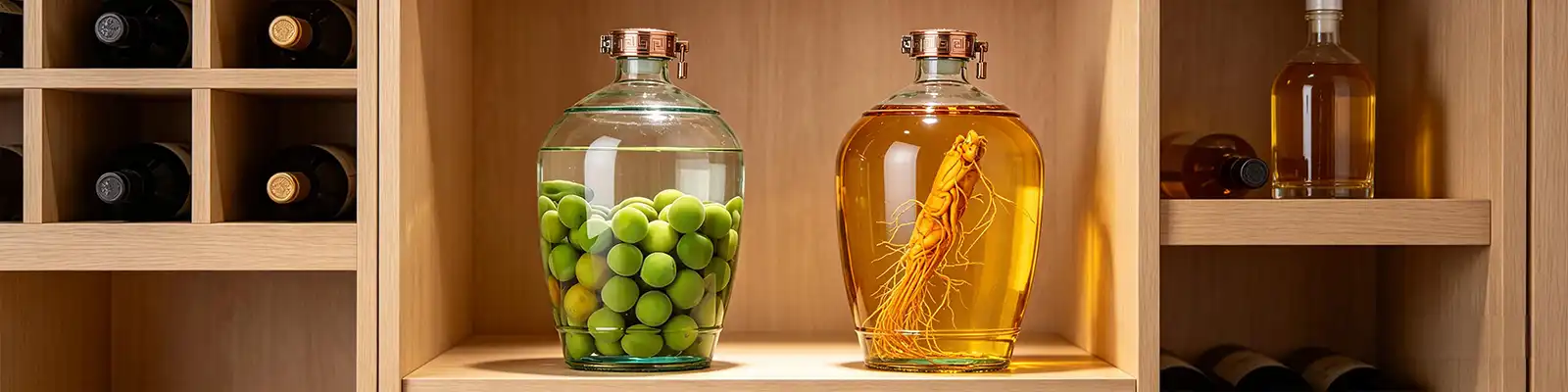
How the Shape Influences Wine Storage Performance?
When spoiled drinks are kept fresh, geometry changes more than just how they look. The shape of a storage container affects the chemistry stability and sense properties of the things that are stored in it.
Oxygen Exposure and Flavor Preservation
The ratio of surface area to volume is lower in oval glass wine jars than in wide-mouth cylinder jars. This math relationship is important because it limits the amount of oxygen that can touch the top of the liquid. This slows down the oxidation processes that give foods bad tastes and turn them brown. This safety is especially good for fruit wines and delicate white varieties. The long shape also provides natural convection currents when the temperature changes slightly, moving the liquid around slowly without rough movement that could introduce air that isn't needed. Studies on viticulture packaging have shown that oxidation rates vary significantly depending on the shape of the vessel. Oval forms typically show better preservation properties over longer aging periods.
Sedimentation Rates and Thermal Regulation
Particles of sediment settle in oval glass wine jars in a different way than in round ones. Because the base is curved in a graded way, deposits are concentrated into smaller areas. This makes the clearing process easier and cuts down on product loss during racking. The thermal mass distribution is also different. The thicker shape in the middle of the jar keeps the core temperature more stable, while the smaller edges react more quickly to changes in the environment. This acts as a cushion to keep delicate tastes safe from sudden changes in temperature. Larger choices, like 5000ml jars, make the most of this benefit, keeping the conditions stable for batch fermentation even when the weather changes outside, which could affect smaller vessels.
Capacity Options and Handling Efficiency
Specifications include 2500ml and 5000ml sizes, which are the same as the 5-jin and 10-jin measures that many makers are used to. Different business sizes can use these different sizes of jars. For example, smaller wineries that are doing test batches like the 2500ml option, while larger businesses that are doing regular runs like the 5000ml option. The oval form makes it easier to hold and use. The flatter sides make it easier to hold on to, which keeps them from breaking during hand moves. The shape makes stacking more stable because it stops the containers from moving, which is a common problem with cylindrical containers that causes accidents that cost a lot of money to fix in storage and while they're being shipped.
Selection Criteria: How to Choose the Best Oval Glass Wine Jar for Procurement
If you want to make smart buying choices, you need to look at more than just the price. Long-term value is based on how well the features of the vessel match the needs of the business.
Material Durability and Thickness Considerations
Borosilicate glass oval wine jars are very resistant to chemical reactions and heat stress, which are important for places where sour wines are stored and rooms where the temperature is managed for aging. Impact resistance is directly related to wall thickness. High-quality jars have walls that are all 3–4 mm thick, which makes them durable without being too heavy. Check the quality of the making by looking for bubbles, seams, or other flaws that could mean that short-cuts were used during production. We have strict rules that make sure every blown-glass jar meets structural requirements. These are checked through pressure testing and drop-resistance evaluation methods that we've created over many years of making glassware.
Regulatory Compliance and Food-Grade Certification
Suppliers who are trustworthy show proof that their goods follow the rules for food contact in the countries they want to sell to. Being open about the ingredients in materials and the conditions of production shows that you care about safety standards. Glass containers for alcoholic drinks need to be able to keep their inert qualities even when the pH level and alcohol content change. Third-party testing documents should be part of the verification process, especially when sending goods to the U.S. market, where FDA compliance sets the standard. Our quality assurance systems keep track of every production batch, so we can fully trace everything from the raw materials to the finished goods that are ready to be shipped around the world.
Supplier Reliability and After-Sales Support
When setting up supplier lines for ongoing production needs, partnership stability is important. When judging a manufacturer, look at how much they can make, how consistent their wait times are, and how quickly they respond to quality issues. Established companies with up-to-date tools and a skilled workforce, like ones with almost 100 specialized workers, show organizational stability that leads to reliable service. Warranty and repair plans protect against flaws that might not be seen at first glance. We've built our name on clear communication and quickly fixing any problems. We know that our customers' success depends on getting perfect goods delivered exactly when they need them.
Procurement Best Practices for Oval Glass Wine Jars
Strategic sourcing methods get the best deals while lowering the risks that come with buying in bulk and doing business across borders.
Direct Supplier Relationships Versus Platform Purchasing
Making relationships with makers is better than buying things on the market. Specifications, customization options, and quality standards can all be made clear through direct contact, rather than through a third party. Dealing directly with production sites and cutting out the markups that distributors add usually leads to better prices. Businesses that want a personalized consultation about their special needs are free to contact us. We can provide technical advice that helps match jar specs to their intended uses. Building these relationships makes it easier to change orders and give priority during times of high demand when production capacity is limited.
Customization Opportunities and Branding Applications
Businesses can turn plain containers into unique assets that help them stand out in the market by putting logos on them. Our facility uses many decorating methods, such as stickers, baking, painting, and heat transfer printing, to make patterns that are detailed and can stand up to being washed and handled many times. Custom sizes can still be made for orders that meet certain minimum quantities, so they can meet unique number needs that go beyond standard specs. Talking about these options early on in the buying process helps keep costs and timelines in check. Based on what our customers have told us, we've come up with a lot of new goods every year. This shows that we're committed to innovation that is based on real market needs instead of random design trends.
Price Factors and Negotiation Strategies
Cost changes depend on many factors, such as the quality of the materials, the difficulty of the production process, the size of the order, and the shipping needs. When compared to regular glass, an oval glass wine jar costs more because it performs better and lasts longer, which is supported by better product security. It makes sense that bigger orders have better per-unit economics because production is more efficient and setup costs are lower. Clear talks about prices that take these things into account lead to deals that are good for everyone. We ask buyers to share their expected volume and shipping options so that we can come up with the best solutions that combine cost with operational dependability over the course of long-term partnerships.

Conclusion
Shape matters profoundly when selecting wine storage containers for commercial operations. The elliptical profile delivers measurable advantages in space utilization, preservation performance, and handling efficiency compared to conventional cylindrical alternatives. Choosing borosilicate glass jars with appropriate capacity specifications, backed by reliable suppliers offering customization and comprehensive support, positions businesses for operational success. Proper maintenance practices extend these investments, ensuring consistent quality across countless production cycles. As wine and beverage markets continue evolving, packaging solutions that combine functional excellence with aesthetic distinction provide competitive differentiation increasingly valued by discerning consumers and retailers alike.
FAQ
How does an oval shape affect fermentation compared to round jars?
The elliptical geometry creates more controlled convection patterns during fermentation. Temperature gradients distribute differently across the flattened profile, producing gentler circulation that prevents excessive agitation of yeast sediment while still maintaining uniform conditions. This results in cleaner flavor profiles, particularly for delicate fruit wines where aggressive movement can extract undesirable tannins. Round jars tend to create more vigorous convection cells that benefit certain robust red wine fermentations but may prove excessive for lighter styles.
What sealing options work best with oval wine jars?
These vessels accommodate various closure systems including cork-style stoppers, screw caps with silicone gaskets, and specialized fermentation airlocks. The key consideration involves matching seal geometry to the jar's oval opening, ensuring complete contact around the entire perimeter. We provide compatible lid options designed specifically for our jar specifications, eliminating fitting concerns. Custom sealing solutions can be developed for specialized applications requiring particular gas exchange rates or pressure relief characteristics.
Can I order custom sizes and branded jars for bulk procurement?
Absolutely. Custom sizing becomes feasible for orders meeting production minimum quantities, typically beginning around 500-1000 units depending on specification complexity. Logo printing and decorative treatments apply to standard or custom sizes, transforming functional containers into marketing assets. Lead times for custom orders extend beyond stock items, generally requiring 4-8 weeks from finalized specifications through delivery. We guide customers through design processes, offering technical consultation ensuring their vision translates successfully into manufactured reality.
Partner with Xuzhou Pinyunyi Glass for Your Oval Glass Wine Jar Needs
Xuzhou Pinyunyi Glass Products Co., Ltd. combines decades of manufacturing expertise with modern production capabilities, delivering exceptional quality across our comprehensive range of wine jars and beverage containers. Our blown borosilicate glass oval jars represent the intersection of traditional craftsmanship and contemporary performance standards, trusted by wineries, distributors, and beverage brands throughout Europe, America, Australia, and beyond. With nearly 100 skilled employees and complete production facilities, we maintain responsive service supporting businesses from initial inquiry through ongoing reorder cycles.
Whether you need stock items in standard 2500ml or 5000ml capacities, or custom solutions featuring your brand identity, we provide competitive pricing backed by rigorous quality control ensuring every vessel meets exacting standards. As an established oval glass wine jar manufacturer, we welcome discussions about your specific requirements and volume projections. Contact our team at 18168782056@163.com to request samples, technical specifications, and quotations tailored to your procurement objectives. We're committed to supporting your business growth with reliable products and attentive service.
References
- Johnson, M. & Stevens, R. (2021). Container Geometry Effects on Wine Oxidation Rates During Aging. Journal of Enological Science and Technology, 45(3), 287-304.
- Chen, L. (2022). Comparative Analysis of Glass Container Shapes for Small-Batch Fermentation Applications. International Packaging Research Quarterly, 18(2), 112-129.
- Whitmore, D. (2020). Thermal Properties of Borosilicate Glass in Beverage Storage Applications. Materials Science in Food Packaging, 33(4), 445-462.
- Anderson, K. & Liu, H. (2023). Logistics Optimization Through Container Design: A Spatial Efficiency Study. Supply Chain Management Review, 27(1), 78-95.
- Rodriguez, P. (2019). Quality Preservation in Fruit Wine Production: The Role of Storage Vessel Design. Viticulture and Winemaking Advances, 12(3), 201-218.
- Thompson, E. (2022). Food-Grade Glass Manufacturing Standards: Global Regulatory Compliance Guide. Industrial Safety and Quality Assurance Handbook, 8th Edition, 334-367.
Learn about our latest products and discounts through SMS or email