- English
- French
- German
- Portuguese
- Spanish
- Russian
- Japanese
- Korean
- Arabic
- Greek
- German
- Turkish
- Italian
- Danish
- Romanian
- Indonesian
- Czech
- Afrikaans
- Swedish
- Polish
- Basque
- Catalan
- Esperanto
- Hindi
- Lao
- Albanian
- Amharic
- Armenian
- Azerbaijani
- Belarusian
- Bengali
- Bosnian
- Bulgarian
- Cebuano
- Chichewa
- Corsican
- Croatian
- Dutch
- Estonian
- Filipino
- Finnish
- Frisian
- Galician
- Georgian
- Gujarati
- Haitian
- Hausa
- Hawaiian
- Hebrew
- Hmong
- Hungarian
- Icelandic
- Igbo
- Javanese
- Kannada
- Kazakh
- Khmer
- Kurdish
- Kyrgyz
- Latin
- Latvian
- Lithuanian
- Luxembou..
- Macedonian
- Malagasy
- Malay
- Malayalam
- Maltese
- Maori
- Marathi
- Mongolian
- Burmese
- Nepali
- Norwegian
- Pashto
- Persian
- Punjabi
- Serbian
- Sesotho
- Sinhala
- Slovak
- Slovenian
- Somali
- Samoan
- Scots Gaelic
- Shona
- Sindhi
- Sundanese
- Swahili
- Tajik
- Tamil
- Telugu
- Thai
- Ukrainian
- Urdu
- Uzbek
- Vietnamese
- Welsh
- Xhosa
- Yiddish
- Yoruba
- Zulu
Can you ferment vegetables in traditional glass jars?
Everyday glass jars can be used to store vegetables. In fact, a lot of cooks say, "Do it this way." A natural way to keep veggies fresh is to ferment them, which turns them into sour foods that are high in probiotics. A traditional glass fermentation jar with lid provides the ideal circumstances. The top of the glass isn't responding, so it doesn't change how the fermentation grows. The lid also keeps air out, which is good because healthy germs need air to grow. To check on the fermentation, you don't need to open the glass jar. Look at how the color changes and how bubbles form. Glass jars are the best way to prepare foods, whether you do it at home or in a plant. They are clear and can be used more than once.
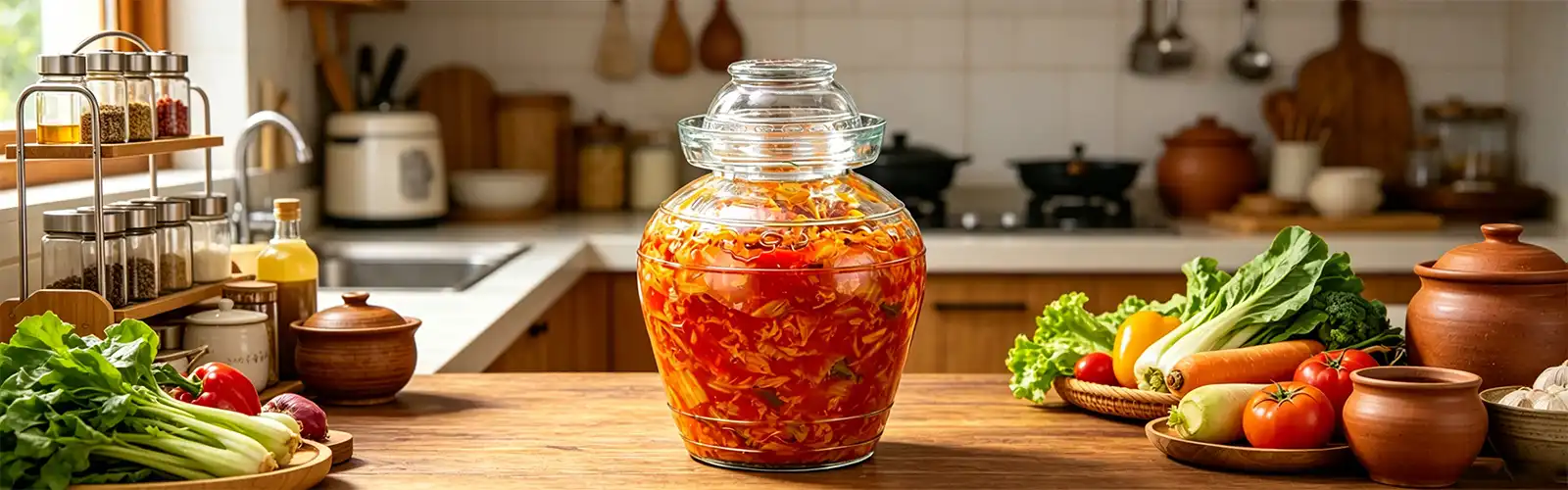
Traditional Glass Fermentation Jars with Lids
Defining Glass Fermentation Vessels
Special containers called borosilicate or soda-lime traditional glass fermentation jar with lid are clear and have ways to close them that keep out oxygen. Because the lids are made to keep air out while letting carbon dioxide out, it is easier to keep the fermentation under control. What the thing is made of is very important. Boron glass is great for situations where temperatures need to change quickly, like during fermentation cycles, because it lasts longer and can handle temperature changes better than regular glass.
Historical Context and Cultural Significance
Food has been fermented for a very long time. Past discoveries show that people used clay and glass pots to store their yearly crops. People who work in the food industry quickly learned how to get glass boxes from companies that made glass in the 1800s. Pickle jars from Xuzhou, Jiangsu, that have lids on the inside show how traditional forms have changed over time and how new ways of making things have fixed them. These jars are not only safer and made from better materials, but they also stay true to the culture they come from.
Material Properties and Benefits
Beer trash is acidic, but glass is neutral, so it doesn't mix chemically with it. This doesn't add any new tastes; it only keeps the ones that are already there. The glass boxes can be reused and recovered, which is good for the environment. Buyers are becoming more and more interested in this. Workers can see how the beer is being made, look for signs of contamination, and plan the best time to get together without having to open the safe area. This type of glass is strong enough to handle both the heat needed for processing and the pressure that builds up inside during brewing.
Ideal Foods for Glass Jar Fermentation
Glass jars are a good way to store leafy greens like cabbage, onions, carrots, radishes, and peppers. A covered glass jar of a certain size can hold a certain amount. Three-jin jars are good for home-made things that are made in small amounts, while twenty-jin pots are better for business use. You can pickle more than just veggies in glass jars. You can also use them to make healthy drinks, soups, and dressings. So, they can be used for a lot of different tasks in plants that make food.
How to Use a Traditional Glass Fermentation Jar with Lid for Vegetables?
Preparation and Initial Setup
You should wash and trim vegetables well before cooking them the right way. Make sure to get rid of any broken parts that could let germs in. The rate of fermentation stays the same across the whole batch because the vegetables are cut into regular pieces. The brine solution is usually made with clean water and salt that has not been iodized. The concentration can be anywhere from 2% to 5%, based on the vegetables and how quickly the fermentation needs to happen. Before you put the food in the jars, soak them in hot water or boil them to get rid of any germs that might stop the process.
Filling and Sealing Procedures
Leave a little over an inch or two of room at the top of the jar so that the veggies can grow as they ferment. Cover all of the vegetables with the ready-made salt mixture. Should you not, mold will grow on the places that are left open. Weights or inner lids used for fermentation are often used to keep the veggies submerged while the process is going on. To keep the anaerobic conditions, make sure the lid is tightly in place and the seals that close it are in the right place. To let the air go, careful burping plans or special valve systems should be used.
Temperature and Time Management
Most of the time, fermentation works best when the temperature is between 60°F and 75°F. Some tastes come out more slowly and in more complex ways when it's cooler. The process moves more quickly when it's hot. Sauerkraut and other soured foods are ready in two to four weeks. Carrots and other thick veggies may need longer. As the process goes on, keep an eye out for bubbles, changes in color, and a stronger coffee smell. Companies can make sure that every batch is the same and that their production plans are always the same by setting their temperatures at a certain level in a traditional glass fermentation jar with lid.
Maintenance and Cleaning Protocols
Once the fermentation is done, clean the jars well with soaps that are safe for food and hot water. Pay close attention to the threads and lids because that's where dust likes to gather. If you see any damage or wear on the close seals, fix them right away so they don't let air in. Blown glass is very strong, so it can be used over and over again in many brewing processes without breaking. Companies that want to be green and make their tools last longer should buy these jars.
Comparing Traditional Glass Fermentation Jars with Other Fermentation Vessels
Glass Versus Plastic Containers
In many important ways, it's clear that a traditional glass fermentation jar with lid is better than plastic ones. The smooth glass surface can be used for any kind of brewing project because it doesn't let spots or smells through. If chemicals are left in an acidic environment for fermentation or at high temperatures while they are being handled, some of them might leak out of the plastic packages. Foods that have been fermented stay true to their original flavors and don't pick up any strange notes from the plastic because they are stored in glass cases. Even though they cost more at first, good glass jars are a better long-term investment because they have a longer life.
Glass Versus Ceramic Crocks
Old pottery crocks look cool and keep heat in very well for big brewing jobs. People have to open the jars to see what's inside because they're not as clear as glass. For a moment, this takes away from the gas-free space. Ceramic that has small cracks or holes in it can keep germs, which makes it harder to clean between batches. Glass jars are simple to use when sets need to be changed or samples need to be taken often. If you close and cap the inside of a glass jar, you can control the pressure better than with a ceramic water-lock system.
Evaluating Commercial Options
When businesses need to buy fermentation tanks, they should look for sellers who can offer a range of capacity choices, from 3 jin for starters to 20 jin for full production. Find businesses that can print your name. By etching or treating the surface in a new way, this makes your name stand out. You can still see the goods and use extra labels if you use clear glass with a simple finish. Suppliers from places like Xuzhou, Jiangsu, that are known for making glass tend to have better quality because they know a lot about the business and have plants that are up to date.
Maximizing Value: Why B2B Clients Should Opt for Traditional Glass Fermentation Jars with Lids
Quality and Consistency Advantages
People who work with food say that their batches are more regular and they lose less product because it gets messed up. Problems can be found quickly and fixed before they hurt whole groups because the organization is clear. Inside a traditional glass fermentation jar with lid, the temperature stays the same longer than inside other types of jars. What you know about the fermentation process is more certain, which helps you reach your quality control goals. Making things for stores like how high-end glass packing makes the item look more valuable. They can charge more because of this, which helps their total income.
Sustainability and Compliance Benefits
Companies pick what to buy based on environmental problems more and more as they try to meet government rules and customer wants. Circle economies make sense with glass jars since they can be used over and over again. Big suppliers are putting money into programs that cut down on trash and production methods that use less energy to make the ways they make high-quality glass goods more eco-friendly. If you want to follow international food safety rules, glass containers are better because they are clear, have already been approved by regulators, and don't have any chemicals added to them that could make approvals harder.
Building Customer Relationships
Customers who are picky will like that you spend money on glass packaging that looks good and lasts a long time to show that you care about the quality of your goods. People who buy and sell things know that brightly colored glass cases help items stand out on shop shelves and save money on expensive placement strategies. People like reusability because it means the box can hold something else after the first item is used up. If the company is more useful, people will like it more and be more likely to buy from you again. People who buy from you often will help your business grow in a market with a lot of competition.
Conclusion
For both home and professional veggie fermentation, the best tools are traditional glass fermentation jar with lid units. They work well and help meet sustainability goals that are becoming more important in global supply lines because they don't change, can be seen through, and last a long time. Glass jars can hold a lot of different amounts of food, from 3 to 20 jin. This means that both small-batch specialty makers and large food processing plants can use them. When you buy something, you can make it your own, go straight to the company to get a better deal, and make sure it meets international standards for food safety. Businesses are setting themselves up for success when they buy high-quality glass fermentation jars from well-known places where they are made. Using high-quality packaging that speaks to people who care about quality can raise the value of your brand.
Partner with Xuzhou Pinyunyi Glass for Your Fermentation Vessel Needs
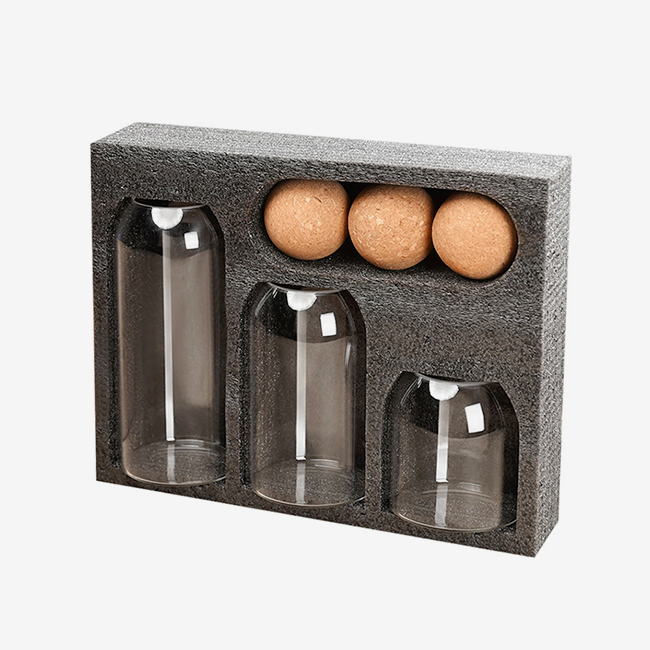
Xuzhou Pinyunyi Glass specializes in manufacturing premium pickle jars with inner lids, glass jars that are sealed, and strong borosilicate glass home cases that have a lot of space. No matter what kind of traditional glass fermentation jar with lid you need, we can help. One thing we can do is put your name on the lid. We also have sizes from 3 to 20 jin to meet your needs. For your fermentation projects, our clear jars with a flat top are the best because they are clear. Because of how they are made, they can also be used for more than one production run. You can email us at 18168782056@163.com to find out how our production skills in Xuzhou, Jiangsu, can help your business and how much things cost when you buy a lot of them. Visit www.pyyglassware.com to see all of our products and ask for samples to see how committed we are to quality.

FAQ
How Long Does Vegetable Fermentation Take in Glass Jars?
Many pickled vegetables in glass jars taste best after one to four weeks. However, this can change based on the temperature, the type of vegetable, and the amount of salt used. When it's cooler, around 60°F, fermentation takes three to six weeks longer. When it's hot (around 75°F), the process can take seven to fourteen days to finish. Small test runs are often used in business to find the best time for different tasks and working situations.
Are Glass Jars Suitable for Large-Scale Commercial Fermentation?
Businesses can use glass jars to package one-of-a-kind and expensive items, which helps build their brand. It's helpful for production lines that use more than one SKU that glass jars come in different sizes. Clay crocks might work for very big fermentations that are done all at once. But craft food shops that make a lot of different foods and change their recipes often should use glass jars.
How Do You Ensure Proper Sealing?
How well it fits depends on how well the lid is made and sealed. Inner lid systems keep things safe in two ways: the inner part stays in direct touch with the brine surface, and the outer lid keeps the whole thing shut. When you push the rim of the jar and the edge of the lid together, you make the major seal. Make sure there is no damage or twisting to the seals before you use them. If there are, replace any old parts to keep the seal tight while the brewing process is going on in the traditional glass fermentation jar with lid.
References
- Katz, Sandor Ellix. The Art of Fermentation: An In-Depth Exploration of Essential Concepts and Processes from Around the World. Chelsea Green Publishing, 2012.
- Shurtleff, William and Akiko Aoyagi. History of Fermented Foods and Vegetables: 2200 BCE to 2021. Soyinfo Center, 2021.
- Nummer, Brian A. "Historical Origins of Food Preservation." National Center for Home Food Preservation, University of Georgia, 2002.
- Hutkins, Robert W. Microbiology and Technology of Fermented Foods. Blackwell Publishing, 2006.
- McGee, Harold. On Food and Cooking: The Science and Lore of the Kitchen. Scribner, 2004.
- Tamang, Jyoti Prakash and Kasipathy Kailasapathy. Fermented Foods and Beverages of the World. CRC Press, 2010.
Learn about our latest products and discounts through SMS or email