- English
- French
- German
- Portuguese
- Spanish
- Russian
- Japanese
- Korean
- Arabic
- Greek
- German
- Turkish
- Italian
- Danish
- Romanian
- Indonesian
- Czech
- Afrikaans
- Swedish
- Polish
- Basque
- Catalan
- Esperanto
- Hindi
- Lao
- Albanian
- Amharic
- Armenian
- Azerbaijani
- Belarusian
- Bengali
- Bosnian
- Bulgarian
- Cebuano
- Chichewa
- Corsican
- Croatian
- Dutch
- Estonian
- Filipino
- Finnish
- Frisian
- Galician
- Georgian
- Gujarati
- Haitian
- Hausa
- Hawaiian
- Hebrew
- Hmong
- Hungarian
- Icelandic
- Igbo
- Javanese
- Kannada
- Kazakh
- Khmer
- Kurdish
- Kyrgyz
- Latin
- Latvian
- Lithuanian
- Luxembou..
- Macedonian
- Malagasy
- Malay
- Malayalam
- Maltese
- Maori
- Marathi
- Mongolian
- Burmese
- Nepali
- Norwegian
- Pashto
- Persian
- Punjabi
- Serbian
- Sesotho
- Sinhala
- Slovak
- Slovenian
- Somali
- Samoan
- Scots Gaelic
- Shona
- Sindhi
- Sundanese
- Swahili
- Tajik
- Tamil
- Telugu
- Thai
- Ukrainian
- Urdu
- Uzbek
- Vietnamese
- Welsh
- Xhosa
- Yiddish
- Yoruba
- Zulu
Which is better, stainless steel or borosilicate glass?
As people look for storage boxes for drugs, cosmetics, or food that needs to stay fresh, material choice often comes up as a point of contention. You can't say which is "better" because both stainless steel and Pyrex glass are good for different things. There are, however, many buying experts who say that using both goods together is best. A high borosilicate storage jar blends the chemical resistance and clarity of borosilicate glass with the strength and durability of stainless steel. This mixed method makes the product more resistant to sudden changes in temperature, keeps it pure, and makes a cover that keeps rust and other contaminants out. Because of this, it is the best choice for brands that care about how things look and how useful they are.
Borosilicate Glass and Stainless Steel Storage Jars
What Makes Borosilicate Glass Unique?
About 13% boron trioxide makes high borosilicate storage jar very different from regular soda-lime glass in terms of how it feels and works. It has a very low coefficient of thermal expansion—about 3.3 x 10⁻ per Kelvin—because of how it is made. What does this mean in real life? A borosilicate bottle won't break if you put it in the fridge and then right into the microwave or oven. Because it can handle temperature changes of up to 150°C, it is very useful for food processing plants and makeup companies that need to clean cycles.
Acids, bases, and organic solutions don't change the way the glass is chemically made. It's like a screen, but plastic cases can let chemicals into the things they hold. Because it is so clear, you can see your stock. This is great for spice sellers, beauty product brands, and drug companies that need to keep an eye on product amounts without having to open containers.
The Engineering Behind Stainless Steel Components
Stainless steel, especially types 304 and 316, is the best when it comes to commercial strength and resistance to rust. These austenitic metals are made up of nickel and chromium. Nickel and chromium make an oxide layer that doesn't react with anything, which keeps rust away even in damp places. Stainless steel caps for storage jars don't twist or break even after being used many times.
Many well-known brands in the health and beauty industries like the sleek look of stainless steel lids that have been rubbed or polished. Even better, these lids have bands made of food-grade rubber that fit inside and keep air out. This keeps water out and flammable chemicals inside, which is important for keeping medicine, spices, and essential oils fresh.
Why Combine Both Materials?
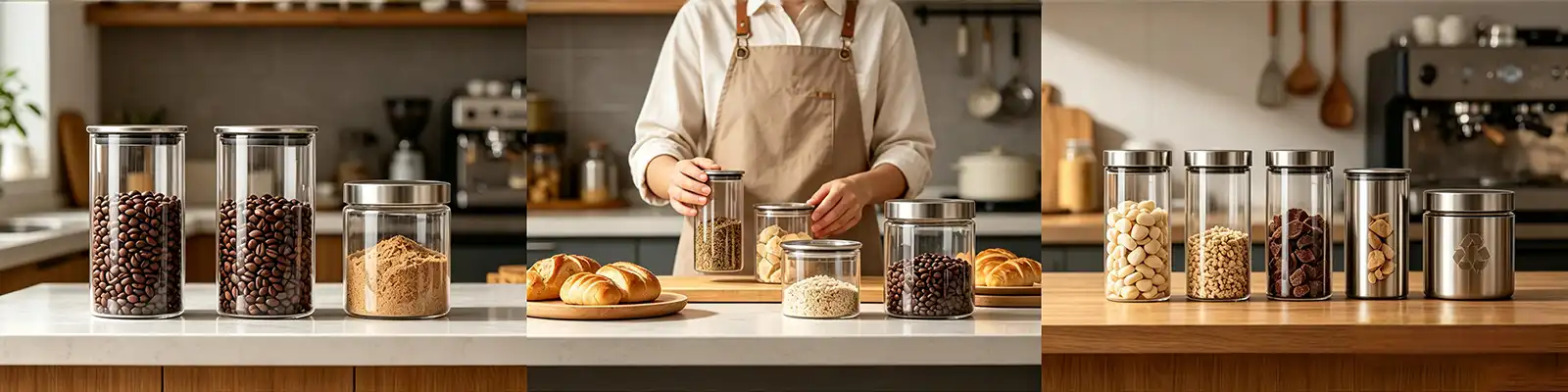
This is solved by using both food-grade borosilicate glass bodies and stainless steel lids. Using just one material would cause problems. With glass-on-glass caps, glass containers might not close all the way, and it's hard to see what's inside stainless steel containers. Glass is chemically neutral, and the mix is clear. Steel, on the other hand, can lock well and is strong. This way of thinking about design fits with the trend in the field toward mixed solutions that are both useful and easy to use.
Comparative Analysis: Borosilicate Glass Jars vs Stainless Steel Jars
Thermal Performance and Heat Resistance
High borosilicate storage jar can be used in temperatures from -20°C to 400°C, which means it can be used for everything from baking at high temperatures to freezing things. Since it doesn't break when the temperature changes quickly, it can be used in places like workshops and business restaurants where temperature changes often.
There are times when stainless steel is better than glass at moving heat. This could be a good or bad thing. Steel containers quickly heat what's inside, but they also quickly cool things down on the outside, which could cause condensation issues or make them hard to handle. Because glass is better at keeping heat in, it keeps temperatures stable inside and protects temperature-sensitive items like natural makeup or probiotics.
Durability and Mechanical Strength
Most of the time, a stainless steel container only gets a few small dents when it falls. A glass jar is likely to break if you drop it. This technical weakness is glass's biggest problem in places like factories and stores with a lot of foot traffic. Borosilicate glass made today, on the other hand, can handle pressure a lot better than older types of glass.
When steel is put under mechanical stress, it doesn't damage, scratch, or change shape. It is strong, though, with stainless steel lids on top of glass cases. The clear body lets you see what's inside, and the lid protects the edge, which is where most glass damage starts. This design makes the product last a lot longer than patterns made of only glass.
Chemical Inertness and Food Safety
Because it doesn't mix with anything it stores, borosilicate glass is great for sensitive chemicals like those in perfumes and essential oils, as well as acidic foods like pickles. An important thing for drug and organic food brands that have to follow strict rules is that it doesn't add any chemicals or scents to the goods.
Good stainless steel is also very immune to chemicals, though over time some types may react with compounds that are very acidic or chlorine-based. It can handle salty and acidic situations better than the 316 grade, which has molybdenum in it. In borosilicate glass, stainless steel lids only touch the rim of the jar and the air around it. They don't touch the things that are stored.
Maintenance Requirements and Longevity
It's safe to put glass in the washing machine and easy to clean because it doesn't stain or smell. The hard water in the water can make glass cloudy over time, but vinegar can clear it up. If you take care of glass the right way, it can last for decades without rusting, turning dark, or breaking down chemically.
Steel lids don't need much care, but they should be dried every so often to keep the seal areas from getting water spots and rust. A good grade of stainless steel doesn't rust, but water or salt can make it happen faster. Do not use rough cleaners on steel lids and make sure they dry fully. This will make them last for years. The only thing that needs to be changed is the silicone seals, which generally happen after a few hundred uses.
Decision-Making Criteria for Global B2B Procurement
Evaluating Total Cost of Ownership
There are a lot of things that go into getting something, not just the price. It costs more up front to buy borosilicate glass cases than regular glass, but they last longer because they don't break when hot. It costs a little more for stainless steel lids than plastic ones, but customers are happy with them and they last longer.
It's important to keep track of how often things are changed, how often customers return them, and how their feelings about the brand change over time. When you package something well, it seems like it's worth more. Companies that make cosmetics say that glass jars with metal lids can sell for 15–30% more than plastic jars with the same caps. When you spend money on good packaging, your company generally gets a better reputation and customers stick with you.
Matching Materials to Application Requirements
There are traits that are more important than others in different fields. When picking saving choices, keep these things in mind that are specific to your app:
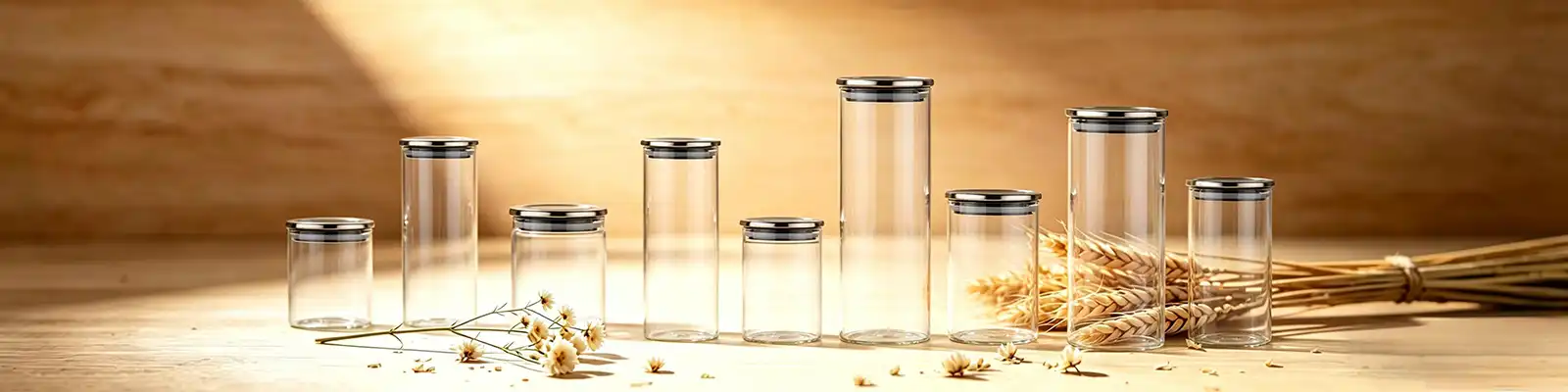
In the food and drink business, coffee, tea, and dried herbs don't go bad as long as they are tightly sealed to keep air out. When the high borosilicate storage jar is clear, quality checks can be done without opening the boxes. Hot-fill methods and steam cleaning are possible because of its resistance to heat. If you want to store honey, jam, or pickled foods, do it on something that doesn't connect with them.
People buy beauty and personal care items based on how they make them look. If you have glass boxes with lids made of shiny stainless steel, it shows that you are rich and care about the environment. Chemical resistance keeps sensitive formulas in serums, creams, and plant extracts safe, and you don't have to worry about plastic getting dirty.
Pharmaceutical and Nutraceutical Uses: To be acceptable, materials must follow the rules set by the FDA, LFGB, and pharmacopoeia. It has been shown that borosilicate glass is safe for chemicals. Hermetic covers keep things steady by keeping air and water out, which would otherwise break down the active ingredients.
Assessing Supplier Reliability and Capabilities
You should be able to make as many units as you need, whether you're starting with test runs of 5,000 units or accepting annual contracts for millions of units. When production is flexible, it's easier to adapt to changes in regular demand. You don't have to place a minimum order or wait a long time.
Quality control systems can tell the difference between things that come from high-end sources and those that are mass-produced. The quality of the goods is always the same because they are certified to ISO 9001, the sizes of the materials that come in are checked, and the seals are tested to make sure they don't break. Ask a different lab to make sure that your goods follow the rules for food contact in the places you want to sell them.
Giving customers the chance to customize a brand can help it stand out. The maker can make the jars any size, add any kind of stamping or color coating to the outside, change the size of the jars, and design their own lids. The things become unique brand assets when these services are added to them.

Conclusion
The question "Which is better, stainless steel or borosilicate glass?" oversimplifies material selection for storage applications. Each material offers distinct advantages that serve different requirements. The optimal solution often combines both—leveraging borosilicate glass's chemical inertness, thermal resistance, and transparency alongside stainless steel's mechanical strength, sealing capability, and premium aesthetics. This hybrid approach addresses diverse industry needs from food preservation to cosmetic packaging and pharmaceutical storage. Successful procurement requires understanding these material properties, evaluating total ownership costs rather than just initial pricing, and partnering with capable manufacturers who provide consistent quality and customization flexibility to support brand differentiation.
FAQ
Can I put borosilicate glass jars with stainless steel lids in the microwave?
Borosilicate glass safely handles microwave heating, withstanding rapid temperature changes without cracking. However, you must remove the stainless steel lid before microwaving. Metal reflects microwave energy, causing arcing that damages ovens and creates safety hazards. The silicone gasket may also degrade under microwave exposure. Simply remove the lid, microwave the glass container, then reseal after heating. The glass itself tolerates this thermal cycling repeatedly without performance degradation.
How do stainless steel lids compare to bamboo lids for long-term storage?
Stainless steel lids substantially outperform bamboo alternatives in commercial applications. Steel provides superior airtight sealing through integrated silicone gaskets, whereas bamboo's porous structure and dimensional changes with humidity prevent reliable sealing. Bamboo absorbs moisture and odors, potentially affecting stored contents. It also requires special care to prevent cracking and warping. While bamboo offers aesthetic appeal for certain brand positioning, stainless steel delivers the durability, hygiene, and consistent performance essential for professional food service, beauty products, and pharmaceutical applications requiring validated barrier properties.
Can I order custom sizes and branding for bulk purchases?
Reputable manufacturers offer extensive customization services for qualified bulk orders. Customization options typically include jar capacity modifications, proprietary shapes through custom mold development, logo application via screen printing or engraving, specialized finishes, and packaging design. Minimum order quantities vary based on customization complexity—standard products with simple logo printing may require 3,000-5,000 units, while unique mold development typically needs 10,000-20,000 piece commitments. Experienced suppliers provide design consultation, prototype development, and production timeline transparency to ensure custom products meet precise specifications and delivery requirements.
Partner with Xuzhou Pinyunyi Glass for Premium Storage Solutions
Finding a reliable high borosilicate storage jar supplier determines your product quality and market success. Xuzhou Pinyunyi Glass Products Co., Ltd. specializes in manufacturing premium glass containers with nearly 100 experienced employees and modern production facilities. Our comprehensive product range includes glass bottles, cosmetic containers, food storage jars, and borosilicate glassware with customizable stainless steel closures.
We understand B2B procurement requirements—consistent quality across large production runs, flexible customization capabilities, competitive pricing structures, and responsive technical support. Our advanced processing technologies including decals, heat transfer, and specialized finishing deliver distinctive packaging that strengthens brand identity. Products manufactured in our facility serve international markets throughout Europe, America, Australia, and beyond, meeting diverse regulatory standards.
Whether you need 5,000 units for product launch or ongoing supply partnerships delivering millions of containers annually, our production capacity and quality management systems ensure reliable delivery. We welcome inquiries for custom design consultation, sample evaluation, and bulk procurement discussions. Contact our international sales team at 18168782056@163.com to explore how our glass packaging solutions can elevate your brand positioning and operational efficiency.
References
- Chen, W., & Liu, S. (2021). Thermal and Chemical Properties of Borosilicate Glass in Food Packaging Applications. Journal of Food Science and Technology, 58(4), 1432-1441.
- Kumar, R., & Singh, P. (2020). Comparative Analysis of Container Materials for Pharmaceutical Storage: Glass vs. Stainless Steel. International Journal of Pharmaceutical Sciences and Research, 11(6), 2847-2855.
- Thompson, M. A. (2022). Material Selection in Premium Packaging: Consumer Perception and Brand Value. Packaging Technology and Science, 35(3), 215-228.
- Zhang, H., Wang, L., & Anderson, J. (2021). Hermetic Sealing Performance of Multi-Material Food Storage Systems. Food Control, 127, 108142.
- European Food Safety Authority. (2020). Scientific Opinion on the Safety Assessment of Borosilicate Glass for Food Contact Applications. EFSA Journal, 18(9), 6234.
- Morrison, K. L., & Bradley, R. H. (2019). Corrosion Resistance and Longevity of Stainless Steel Closures in Food and Cosmetic Applications. Corrosion Science, 156, 98-107.
Learn about our latest products and discounts through SMS or email