- English
- French
- German
- Portuguese
- Spanish
- Russian
- Japanese
- Korean
- Arabic
- Greek
- German
- Turkish
- Italian
- Danish
- Romanian
- Indonesian
- Czech
- Afrikaans
- Swedish
- Polish
- Basque
- Catalan
- Esperanto
- Hindi
- Lao
- Albanian
- Amharic
- Armenian
- Azerbaijani
- Belarusian
- Bengali
- Bosnian
- Bulgarian
- Cebuano
- Chichewa
- Corsican
- Croatian
- Dutch
- Estonian
- Filipino
- Finnish
- Frisian
- Galician
- Georgian
- Gujarati
- Haitian
- Hausa
- Hawaiian
- Hebrew
- Hmong
- Hungarian
- Icelandic
- Igbo
- Javanese
- Kannada
- Kazakh
- Khmer
- Kurdish
- Kyrgyz
- Latin
- Latvian
- Lithuanian
- Luxembou..
- Macedonian
- Malagasy
- Malay
- Malayalam
- Maltese
- Maori
- Marathi
- Mongolian
- Burmese
- Nepali
- Norwegian
- Pashto
- Persian
- Punjabi
- Serbian
- Sesotho
- Sinhala
- Slovak
- Slovenian
- Somali
- Samoan
- Scots Gaelic
- Shona
- Sindhi
- Sundanese
- Swahili
- Tajik
- Tamil
- Telugu
- Thai
- Ukrainian
- Urdu
- Uzbek
- Vietnamese
- Welsh
- Xhosa
- Yiddish
- Yoruba
- Zulu
What is the difference between embossed and engraved glass jar?
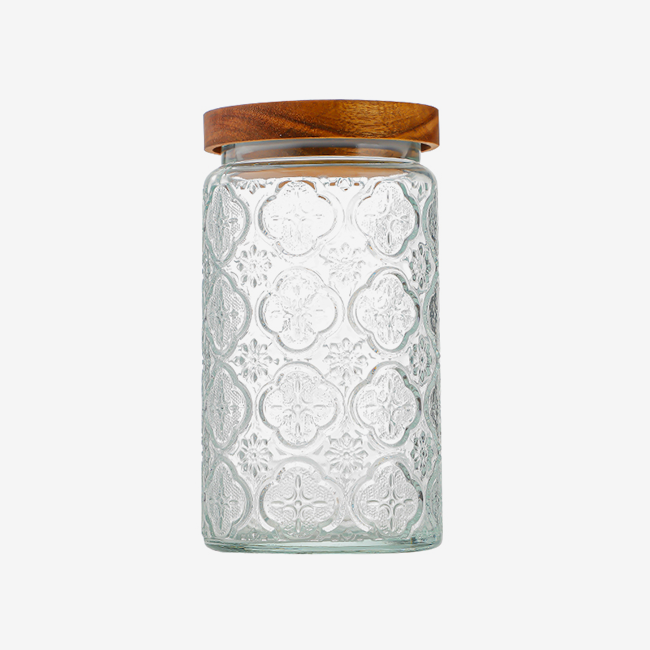
Knowing the main differences between embossed and personalized glass packaging is important for successful buying when choosing glass packaging for your product line. When the glass is molded, raised patterns are built right into the surface of an embossed glass storage jar. These designs make the glass more attractive and comfortable to hold. Engraving, on the other hand, uses lasers, sandblasters, or machines to cut or etch patterns into finished glass. These basic differences affect how much it costs to make, how easy it is to brand, and how well it works in a wide range of situations, from food packages to cosmetic products.
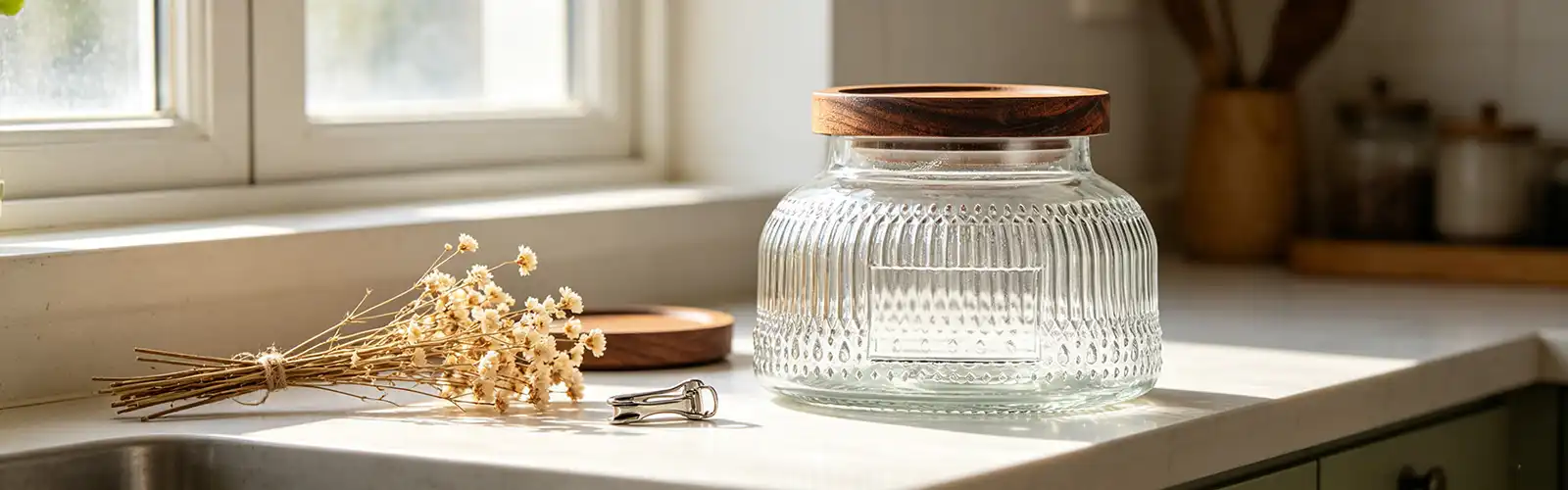
Embossed vs Engraved Glass Jars
The Embossing Production Method
When they are made, precisely mold-pressing gives embossed glass storage jars their unique patterns. Hot, molten glass runs into molds that have been carefully made with the pattern that is wanted, such as names, geometric shapes, or decorative patterns. As the glass cools and hardens, these designs become lasting parts of the container's structure.
The process makes sure that the pattern stays the same over long runs of production, which makes it perfect for bulk orders that need to be regular. We've seen that high-quality stamped containers keep their patterns clear even after being used for a long time. The designs stay clear even after being handled and washed many times.
The Engraving Technique Explained
By using subtractive techniques after the jar has been formed, engraving turns smooth glass surfaces into labeled or artistic containers. Three main techniques are used for commercial production: laser engraving provides fine detail and accuracy, sandblasting creates frosted matte finishes with varying depths, and rotary engraving uses diamond-tipped tools for traditional workmanship.
Each method has its own look that works well with different branding strategies. Unlike stamping, engraving can be changed after the product has been made. This means that brands can customize current jar stocks without having to make new molds.
Visual and Tactile Contrasts
The visual experience is very different between these two methods. Embossed designs stick out from the glass's surface, giving it a clear three-dimensional relief that customers can feel as soon as they touch it. This tactile quality makes it easier to hold on to and gives goods a special sensory signature that makes them stand out on crowded store shelves. Designs that are engraved into the glass are made to look more complex through the way light bends and plays with shadows. The engraved surface is smooth to the touch, except in the areas where the design is etched, where there is a small difference in roughness that shows the design is there.
Impact on Branding and Market Perception
Customers will get a sense of your brand's values from the decorations you choose. Embossed containers show history, durability, and investment in the production process. They work especially well for well-known brands that value custom and quality. The higher patterns catch light in different ways, making the items stand out more on store shelves. Premium markets that value customization will be interested in engraved jars because they give off an air of polished beauty and customization. We've found that beauty brands like engraving because it looks classy and delicate, while food companies like embossing because it lasts a long time, is safe for food, and has a nostalgic look.
Technical and Manufacturing Insights
Embossed Jar Production Process
Making an embossed glass storage jar starts with designing and making a mold, which is the most expensive part of this manufacturing process up front. Skilled toolmakers take design ideas and turn them into precise models made of steel or iron that can withstand high temperatures and repeated thermal cycles. During production, liquid soda-lime or borosilicate glass that is hotter than 1000°C goes into these molds. Pattern definition is kept clear with air or mechanical pressure. The next step, annealing, slowly lowers the temperature of the glass in a controlled setting. This gets rid of any internal stresses that could weaken the structure. Pattern depth is usually between 0.5 mm and 2.5 mm, which strikes a balance between how the pattern looks and how it will hold up. When sales go over 5,000 units, this method works great because the cost per unit goes down a lot because the mold investment is spread out over a bigger number of units.
Engraving Methods and Capabilities
In recent years, laser cutting has changed the ways that things can be customized. Focused CO2 or fiber laser beams are used to melt very thin layers of glass with great accuracy. This technology can handle complex designs, small text, and digital images that can't be done any other way. Sandblasting is still used for bigger design elements because it uses gritty particles to make smooth, shiny textures on glass surfaces that have been covered. By changing the exposure time and pressure, the process lets you control the depth, creating effects that range from light surface texturing to deep relief cutting. Mechanical engraving uses spinning tools that are handled by a computer for tasks that need certain physical qualities or the look of traditional workmanship.
Practical Applications and Usage in Procurement
Food Storage and Preservation Excellence
Embossed glass storage jars are widely used for fancy food packages because they make the food easier to see and keep fresh. In addition to looking nice, the raised designs do something useful: they spread light around, which slightly blocks UV rays for light-sensitive items like some spices, loose-leaf teas, and specialty coffee beans. We make jars in three popular sizes that are perfect for organizing your pantry: 260ml jars are 8.2cm high and 9.4cm in diameter, which are good for small amounts of spices and jams; 350ml jars are 8.2cm high and 10cm in diameter, which are good for everyday items like granola and dried fruits; and 750ml jars are 10cm high and 12.5cm in diameter, which is a lot of space for flour, pasta, nuts, and snacks. Each size comes with a range of wooden lids that fit together perfectly and create airtight seals, keeping food fresh.
Beauty and Personal Care Applications
The cosmetics business likes glass cases more and more because they don't react with chemicals and are seen as high-end. Cream jars and oil bottles with embossed designs are easier to hold on to, even when your fingers are wet, which is helpful for use in the bathroom. The smooth surfaces naturally hide fingerprints and small scratches that form from handling the product over and over again, keeping its look throughout its lifecycle. When custom branding makes the extra cost worth it, engraved containers work great for high-end perfume boxes and limited-edition cosmetic collections. Smooth insides of both types make sure that all of the product is emptied and make cleaning easier during refilling.
Gift and Retail Presentation Strategies
Carefully decorated glass cases are a great way to improve visual marketing. Embossed patterns make light interact in dynamic ways that draw people's attention to store displays, and the quality tactile experience makes people want to touch and play with the goods. In the gift category, we've seen conversion rates go up when brands switch from plain glass to engraved options. The lasting decoration gets rid of worries about label glue residue and lets the item be used over and over again without losing its brand identity. Corporate gift programs like engraved containers because they look like they will last and send a message of quality.
Environmental and Sustainability Advantages
More and more people want eco-friendly options to single-use plastics, and glass containers meets that need. Both embossed and engraved cases can be used over and over again, turning product boxes into long-lasting home things. Soda-lime glass can be recycled over and over again without losing any of its quality because of the way it is made. Made from high-quality white glass, embossed jars have great clarity and neutral color profiles that show off the contents of the jars in an honest way. Our wooden lid choices are even better for the earth because they replace plastic closures with materials that can be used again and again and break down naturally when they're no longer needed.
Conclusion
Whether you choose embossed or engraved glass jars relies on your buying goals, order volume, and strategy for presenting your brand. Embossed containers offer unbeatable resilience, cost-effectiveness at scale, and unique branding through tactile formation during production. Engraving gives you more ways to customize, lower minimum orders, and a more polished look that fits the premium market placement. Both methods offer benefits for the environment, food safety, and reusability that are becoming more important in all types of businesses when it comes to buying choices. You can get the most out of your package purchases that make your products look better and help your business run more smoothly by making sure that the decoration methods you use are in line with your volume needs, budget, and brand identity goals.
FAQ
What represents the primary distinction between embossed and engraved containers?
Using special molds, embossing makes raised patterns that are part of the structure of the glass as it is being made, while engraving takes material from the surface of finished glass using a laser, sanding, or mechanical cutting. Embossed designs stick out, while engraved patterns recede, giving you two very different physical experiences and cost structures.
Can existing jar inventory receive custom branding after production?
Engraving lets you change the design of simple or already-branded containers after they've been made, which is useful for small amounts and custom orders. For embossing to work, the design has to be integrated during production. This keeps current inventory from being changed and makes sure that the decoration lasts and doesn't wear off.
Which decoration method offers superior durability for commercial applications?
Both ways leave lasting effects, but embossed patterns are a little more durable because they use structural glass elements that can't be worn away. When used in food-contact situations, engraved patterns may need extra cleaning care in the recesses to keep them looking good.
How do minimum order quantities differ between these decoration approaches?
For mold investment costs to be justified, most embossed containers need at least 5,000 to 10,000 units. On the other hand, engraved decoration can handle low-cost runs of 100 to 1,000 pieces because it doesn't require much setup time. This means that each method can be used for different purchase sizes.
Partner with Xuzhou Pinyunyi Glass for Premium Embossed Glass Storage Jar Solutions
With its wide range of embossed glass storage jar making skills, Xuzhou Pinyunyi Glass Products Co., Ltd. is ready to help you meet your packing needs. Our modern production facilities use cutting-edge glass-forming technology and are staffed by nearly 100 trained workers who are committed to maintaining quality across order amounts of 5,000 to 500,000 units or more. The containers we make come in a range of sizes, from 260ml to 750ml, and are made from high-quality white glass. They come with a choice of different wooden lids to keep air out. In addition to standard production, we can quickly make a custom mold for you, help you design a pattern, and do artistic processing like painting, stickers, and heat transfer to make your brand stand out. As a well-known company that sells embossed glass storage jars to customers in North America, Europe, and Asia, we follow strict quality control procedures to make sure that our products meet FDA and LFGB standards for food safety. You can email our sourcing experts at 18168782056@163.com or visit www.pyyglassware.com to talk about your specific needs, ask for example containers, and get full quotes that are based on your volume and customization needs.
References
Anderson, M. (2021). Glass Container Manufacturing: Processes and Quality Standards. Industrial Packaging Press.
Chen, L. & Roberts, K. (2022). "Decorative Glass Techniques in Modern Packaging Applications." Journal of Packaging Technology and Science, 35(4), 287-301.
Fitzgerald, P. (2020). Sustainable Packaging Solutions: Glass in the Circular Economy. Environmental Materials Institute.
Kumar, R. (2023). "Surface Decoration Methods for Glass Containers: Comparative Analysis of Embossing and Engraving." International Journal of Manufacturing Engineering, 18(2), 112-128.
Morrison, S. & Lee, J. (2022). Procurement Strategies for B2B Packaging Buyers. Supply Chain Management Publications.
Williams, D. (2021). "Food-Grade Glass Standards and Safety Compliance in Global Markets." Packaging Regulation Quarterly, 29(3), 45-62.
Learn about our latest products and discounts through SMS or email