- English
- French
- German
- Portuguese
- Spanish
- Russian
- Japanese
- Korean
- Arabic
- Greek
- German
- Turkish
- Italian
- Danish
- Romanian
- Indonesian
- Czech
- Afrikaans
- Swedish
- Polish
- Basque
- Catalan
- Esperanto
- Hindi
- Lao
- Albanian
- Amharic
- Armenian
- Azerbaijani
- Belarusian
- Bengali
- Bosnian
- Bulgarian
- Cebuano
- Chichewa
- Corsican
- Croatian
- Dutch
- Estonian
- Filipino
- Finnish
- Frisian
- Galician
- Georgian
- Gujarati
- Haitian
- Hausa
- Hawaiian
- Hebrew
- Hmong
- Hungarian
- Icelandic
- Igbo
- Javanese
- Kannada
- Kazakh
- Khmer
- Kurdish
- Kyrgyz
- Latin
- Latvian
- Lithuanian
- Luxembou..
- Macedonian
- Malagasy
- Malay
- Malayalam
- Maltese
- Maori
- Marathi
- Mongolian
- Burmese
- Nepali
- Norwegian
- Pashto
- Persian
- Punjabi
- Serbian
- Sesotho
- Sinhala
- Slovak
- Slovenian
- Somali
- Samoan
- Scots Gaelic
- Shona
- Sindhi
- Sundanese
- Swahili
- Tajik
- Tamil
- Telugu
- Thai
- Ukrainian
- Urdu
- Uzbek
- Vietnamese
- Welsh
- Xhosa
- Yiddish
- Yoruba
- Zulu
What is the best material for dessert bowls?
For B2B buyers in the hotel, retail, and food service industries, choosing the best material for bowls for dessert requires a strategic understanding of longevity, food safety, display aesthetics, and cost-effectiveness. The best material for your needs will ultimately rely on how it will be used. Glass is great for both looks and cleanliness, clay is classic and can be customized, and melamine is durable and affordable for high-volume areas. It talks about how matching the qualities of materials to the needs of your business can help you get the best return on investment (ROI) and keep customers happy.
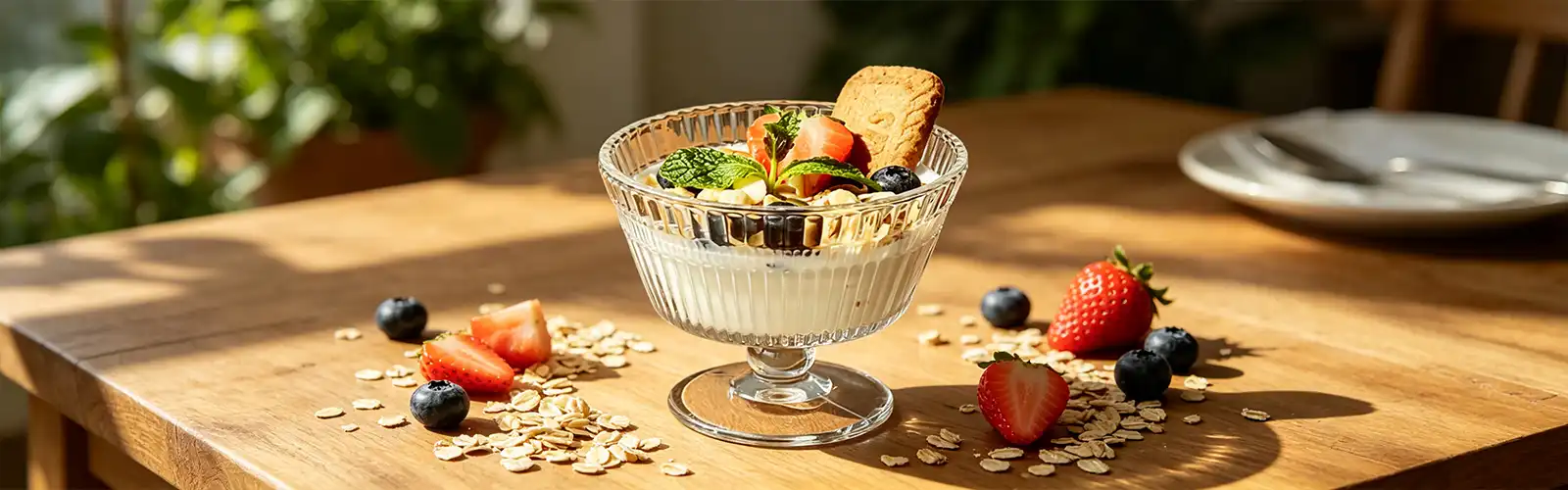
Key Criteria for Selecting Dessert Bowl Materials
To pick the right material for dessert serving dishes, you have to look at a lot of factors that have an immediate effect on both how well they work and how customers feel about them. Choosing the right material isn't just about how it looks; it also requires a careful analysis of performance measures that fit with your business plan.
Durability and Longevity in Commercial Settings
In commercial settings, dessert bowls are put through constant stress processes that test how strong the material is. When dishes go from being stored in a freezer to being used at room temperature, thermal shock protection becomes very important. Quality bowls for dessert should be able to handle rapid temperature drops of 180°C without breaking, according to EN 1183 standards. Edge chip resistance, which is tested using ASTM C368 methods, tells us how much kinetic energy the rim can take in before it breaks. This is a very important thing to think about for buildings that handle hundreds of services every day. Vitrified ceramics and tempered glass last longer than other materials because they don't absorb water more than 0.5% of the time. This keeps germs from growing and stops surface stains that are bad for cleanliness.
Food Safety Compliance and Chemical Inertness
Certifications of safety are the basis for choosing materials for direct food contact. The ISO 6486-1 procedures check how much lead and cadmium surfaces give off. This makes sure that FDA and LFGB standards are met, which protects people's health. Our pressed glass dessert cups are made of soda-lime glass, which is completely chemically neutral and has no risk of migration. This makes it perfect for acidic sweets like fruit compotes and citrus mousses. The smooth, non-porous surface keeps flavors from spreading from one service to the next, which is very important for places that serve a variety of food all day.
Thermal Management and Serving Performance
The way a treat looks during presentation is directly affected by its thermal features. Double-walled borosilicate glass is better at keeping gelato at the right temperature for serving for 40% longer than single-layer options. Heavy-gauge earthenware, on the other hand, has a lot of thermal mass, which keeps warm sweets like crumbles and cobblers at the right temperature. The balance of our single-layer soda-lime glass cups is good. They keep most frozen and chilled sweets at the right temperature while still being clear enough to show off layered parfaits and panna cotta displays.
Visual Appeal and Brand Differentiation
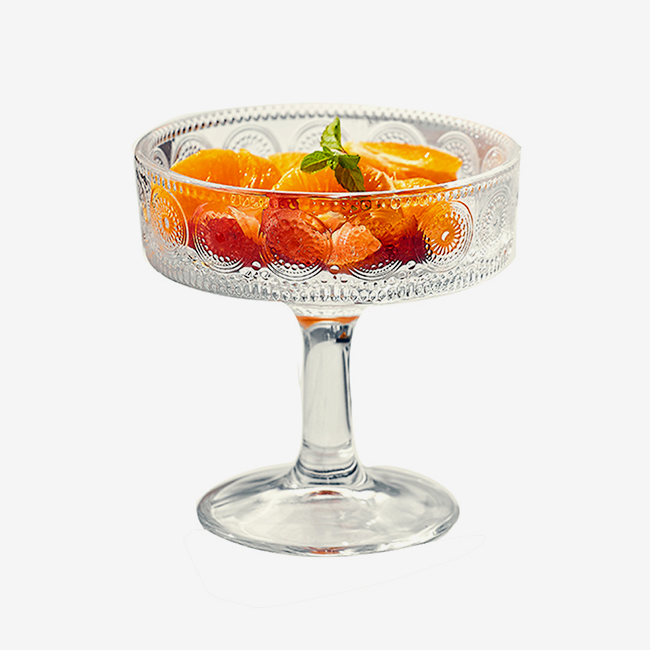
In competitive markets, customer happiness and return business depend on how well the product is presented. Perceived value is affected by how clear the material is, how smooth the surface is, and how precise the shapes are. Glass bowls let you see the layers of food inside, which is especially helpful for deconstructed desserts and craft dishes. Pressed glass workmanship makes rings that are smooth and uniform in size, which makes professional plating look better. Our glass dessert cups have a modern, simple design that goes well with modern table settings. They also have a style that can be used for a variety of occasions as the menu changes with the seasons.
Common Materials Used for Dessert Bowls and Their Characteristics
After learning about how each type of material performs, you can make smart purchasing choices that combine quality, usefulness, and cost. Material science has a direct effect on how things work in many business situations.
Glass: Transparency and Hygiene Excellence
Glass bowls for dessert are the clearest you can find, which makes your desserts look better and makes them easier to clean. Soda-lime glass, which is mostly silica (about 70%), is very resistant to chemicals and can withstand more than 500 commercial cleaning cycles without breaking down if it is made correctly. Our pressed glass dessert cups are precisely made, so they don't have any of the weak spots that come with hand-blown options. With a Mohs hardness grade of 5.5–6, the material is pretty resistant to scratches while still being clear, which makes layered cakes look beautiful. Glass is still the best choice for gelaterias and patisseries where customers decide what to buy by seeing the products.
Ceramic and Porcelain: Classic Elegance with Customization
Ceramics are flexible because they can be made in a variety of shapes and glazes, which helps brands stand out. High-alumina porcelain is better at keeping you clean than regular ceramic because it absorbs less than 0.3% of water. The glaze process makes a layer of surface that is like glass. This layer keeps the surface from getting scratched by tools and keeps its good looks for thousands of service cycles. Fine bone china, which has 30–40% bone ash in it, is almost as clear as glass and is much more resistant to impact. These materials work well for places that value traditional beauty or need to add logos through decal methods that can handle industrial laundering.
Stainless Steel: Industrial Durability
Stainless steel bowls are very strong and can be used for outdoor dining, food service in institutions, and high-turnover businesses where breaking costs cut into profits. Because the material is thermally conductive, temperatures stay the same across big batches while they are being prepared and served. Surface treatments reach levels of cleanliness that meet guidelines for medicinal cleanliness. But stainless steel isn't clear to look at and can add metallic notes to acidic desserts, which limits its use in fine dining settings where appearance and taste integrity are very important.
Melamine and Food-Grade Plastics: Cost-Effective Volume Solutions
Melamine resin is cheap and lasts a long time, which is great for businesses that want to save money. These materials can take multiple drops without breaking, which means they don't need to be replaced as often in high-volume areas. Modern melamine formulas stay stable up to 120°C, which meets most of the needs of dessert service. The material can have patterns printed on it that look like clay but don't cost as much. Some problems with it are that it can get dull over time from rough cleaning, highly colored treats might stain it, and you can't use it for things that need to be broiled or baked at temperatures above the material's tolerances.
Eco-Friendly Alternatives: Sustainability Considerations
More and more people want eco-friendly serving pieces, and bamboo fiber blends and palm leaf bowls meet that need. Under industrial composting settings, these materials break down fully in 90 to 180 days, which is in line with practical goals for zero waste. Farm-to-table ideas and healthy desserts look great with natural decor. Some cons are that they don't keep wetness out very well, which shortens their usefulness, their sizes aren't always the same because natural materials vary, and they cost more per unit than other choices. Teams in charge of buying things should check to see if messages about sustainability add enough value to the brand to make up for these issues.
Comparative Analysis – Matching Material Types to Business Needs
Strategically choosing materials makes sure that the features of a product are in line with how it is positioned in the market and how it is used. Different business models put more weight on different success factors that affect customer happiness and long-term profits.
Premium Dining and Specialty Dessert Establishments
Materials that raise the perceived value of a space and go well with cooking skills are needed in high-end hospitality settings. This market is mostly made up of glass and fine china, and the way things are presented has a direct effect on how much they cost. Our modern, simple glass dessert cups meet strict cleanliness standards and give you the clear view you need to show off your detailed plating skills. The pressed craftsmanship makes sure that the quality is the same across big table sets, which is what you'd expect in a high-end restaurant. Businesses can tailor orders by adding logos or special sizes that strengthen brand identity. This creates unique serviceware that makes the whole dinner experience better.
High-Volume Catering and Institutional Foodservice
Operations that handle thousands of meals every day put an emphasis on resistance to contact, the ability to turn over items quickly, and knowing how much replacements will cost. In this case, both tempered glass and high-quality plastic are very good values. For easy storage and travel, being able to stack is important. Our glass cups have precise rims that allow stable upright stacking without the risk of jamming. According to EN 12875 standards for dishwasher longevity testing, our products keep their clarity and structural integrity through 500+ industrial washing cycles. This makes sure that the products keep their good looks and protect the brand's image over an extended service life.
Retail Distribution and E-Commerce Channels
Distributors and online sellers need materials that can handle the hurdles of shipping and meet the needs of a wide range of end users. Glass goods are typically sold at higher prices in stores because they are clear, which makes them look great in photos and on shelves. Our tall pudding cups and ice cream cups are designed for specific serving needs that help stores tell their stock apart. When you combine modern styling with food-grade soda-lime glass construction, you get goods that meet both useful and aesthetic needs. Wholesale buyers benefit from our ability to fill stable batch orders with consistent specs. This makes it easier to handle inventory and keeps customers happy.
Case Studies
Real-life examples show how strategic decisions about materials can lead to measurable business results in a variety of working settings. These examples can help you think about the choices you need to make in your own buying situations.
Regional Catering Company Optimizes Durability and Cost
A medium-sized catering business that catered 200 to 300 events a year was having to pay more and more to repair broken glass during shipping and setup. An analysis showed that 15% of their bowls for dessert had to be replaced every three months because they were cracked or chipped. When they switched to better toughened glass, the number of breaks dropped by 60% while still meeting the appearance standards that the clients wanted. Investing in higher-quality materials paid off within eight months because they cut down on the costs of replacements and work needed to handle inventory. This case shows how the durability of a material has a direct effect on running costs in mobile service settings.
Artisan Gelato Brand Enhances Customer Experience
A small dessert shop that uses organic products and old-fashioned methods needed serving dishes that showed how high-quality they were. They chose our tall glass dessert cups because they were clear and showed off the natural colors and layers of their product. 73% of people who answered customer polls said that the quality of the presentation made the product seem more valuable. The visual draw led to 22% higher average deal prices than with their old ceramic bowls that were hard to see through. Material choice became a source of income by making sure that serviceware fit with the brand's story and what customers wanted.
Wholesale Distributor Expands Market Share Through Product Diversification
A company that sells kitchenware to restaurants and bars added our modern, simple glass dessert cups to their ceramic collection. Customers asked for more modern styles at reasonable prices, so the product line was expanded to meet those needs. In just six months, the category of glass bowls for dessert grew to 18% of all sales and gained 34 new business accounts. The success showed that providing a range of materials for dessert serviceware opens up new ways to reach more customers and deepen relationships with existing ones by giving complete product solutions.
Conclusion
When choosing the best material for bowls for dessert, you need to think about how long it will last, how well it will handle heat, how it will look, and how much it will cost to buy. Glass products, especially pressed soda-lime glass, are very flexible because they are chemically inert, clear, and have been used for a long time in industrial settings. Our research shows that important choices have a big effect on both the short-term usefulness and the long-term business results, such as customer happiness, replacement costs, and how people see the brand. Successful procurement teams judge sellers based on how well they follow licensing requirements, how well they can produce goods, and how well they can adapt to changing business needs. When you choose the right materials and work closely with your suppliers, you can gain a competitive edge in markets where presentation quality and operating dependability affect customer trust and profits.
Partner with a Trusted Glass Dessert Bowl Manufacturer
The Xuzhou Pinyunyi Glass Products Co., Ltd. produces high-quality glass cups, tall pudding cups, dessert cups, and ice cream cups that meet the strict needs of food service and store sales. They do this by combining decades of specialized knowledge with modern manufacturing techniques. When we press soda-lime glass together, we make sure that the bowls for dessert are safe for food and will last for hundreds of service cycles without losing their brightness or structural integrity. We can help you with both standard product sales and custom design solutions, such as adding your name, making it a certain size, or adding a decorative finish that fits your brand. Our production sites can handle orders ranging from small samples to large batches, and we offer reliable shipping schedules that help you plan your inventory. You can email our team at 18168782056@163.com or visit www.pyyglassware.com to talk about how our glass dessert bowl options can help you sell more products and run your business more smoothly. As a well-known provider of glass dessert bowls to customers in Europe, the US, Australia, and other places, we offer the quality assurance and quick service that B2B relationships need.
FAQs
What makes glass superior to plastic for dessert bowls in commercial settings?
Glass is completely chemically neutral, so flavors don't get mixed up between services. This is very important for places that serve different kinds of desserts all day. According to EN 12875, glass stays clear after 500 or more commercial cleaning cycles, but plastic gets dull and changes color over time. The material can go from being stored in a -20°C freezer to being used at room temperature without losing its shape. Glass is also clear, which improves the presentation value. This is especially important for layered sweets, where the ability to see the different layers affects how appealing they are to customers and how good they think the treat is.
How do thermal properties affect dessert bowl material selection?
How quickly bowls move heat from their contents to their surroundings depends on their thermal conductivity. Materials that don't let heat pass through them easily, like double-walled borosilicate glass, keep frozen sweets at the best serving temperature for longer. Single-layer soda-lime glass has a middling thermal retention that makes it good for most chilled uses. It also allows temperature equilibrium, which keeps condensation from building up. For baked treats like cobblers, ceramics with a lot of thermal mass keep the heat in. By matching temperature values to the types of desserts you sell, you can get the best quality during the service window, which affects how happy your customers are.
What certifications should buyers require from dessert bowl suppliers?
Manufacturers with a good reputation show proof that they follow ISO 6486-1, which says that the amounts of lead and cadmium released meet FDA and LFGB food-contact guidelines. The EN 1183 thermal shock test proves that a material is stable across temperature changes that happen a lot in business services. The ASTM C368 edge chip resistance data measures how long something will last in the real world. Buyers should also make sure that providers have ISO 9001 quality control systems in place to make sure that production standards are always met. At Xuzhou Pinyunyi Glass, we test every batch of glass very carefully to make sure it meets international safety and performance standards. We also provide paperwork that supports your quality assurance processes and regulatory requirements.
References
- Mitchell, R. L., & Thompson, K. J. (2021). Material Science in Commercial Foodservice Equipment: Performance Standards and Selection Criteria. Hospitality Design Press.
- American Society for Testing and Materials. (2020). ASTM C368-20: Standard Test Method for Chip Resistance of Glassware. ASTM International.
- European Committee for Standardization. (2019). EN 1183:2019 - Glass in Building - Thermal Shock Resistance Test. CEN Publications.
- International Organization for Standardization. (2019). ISO 6486-1:2019 - Ceramic Ware and Glass in Contact with Food - Release of Lead and Cadmium. ISO Standards.
- Henderson, S. M. (2022). Procurement Strategies for Hospitality Supply Chain Management. Culinary Institute Research Journal, 18(3), 145-162.
- Williams, D. A., & Chen, L. (2020). Sustainable Materials in Food Service: Environmental Impact and Consumer Perception. Journal of Foodservice Business Research, 23(4), 312-329.
Learn about our latest products and discounts through SMS or email