- English
- French
- German
- Portuguese
- Spanish
- Russian
- Japanese
- Korean
- Arabic
- Greek
- German
- Turkish
- Italian
- Danish
- Romanian
- Indonesian
- Czech
- Afrikaans
- Swedish
- Polish
- Basque
- Catalan
- Esperanto
- Hindi
- Lao
- Albanian
- Amharic
- Armenian
- Azerbaijani
- Belarusian
- Bengali
- Bosnian
- Bulgarian
- Cebuano
- Chichewa
- Corsican
- Croatian
- Dutch
- Estonian
- Filipino
- Finnish
- Frisian
- Galician
- Georgian
- Gujarati
- Haitian
- Hausa
- Hawaiian
- Hebrew
- Hmong
- Hungarian
- Icelandic
- Igbo
- Javanese
- Kannada
- Kazakh
- Khmer
- Kurdish
- Kyrgyz
- Latin
- Latvian
- Lithuanian
- Luxembou..
- Macedonian
- Malagasy
- Malay
- Malayalam
- Maltese
- Maori
- Marathi
- Mongolian
- Burmese
- Nepali
- Norwegian
- Pashto
- Persian
- Punjabi
- Serbian
- Sesotho
- Sinhala
- Slovak
- Slovenian
- Somali
- Samoan
- Scots Gaelic
- Shona
- Sindhi
- Sundanese
- Swahili
- Tajik
- Tamil
- Telugu
- Thai
- Ukrainian
- Urdu
- Uzbek
- Vietnamese
- Welsh
- Xhosa
- Yiddish
- Yoruba
- Zulu
What is a large capacity vintage airtight glass jar called?
Large capacity vintage airtight glass jars are more than just nostalgic ways to store things; they're also high-tech packing assets that combine classic style with great performance. Working with B2B clients in food production, makeup, and specialty retail has taught me that these jars are a must-have for companies that need reliable large storage that doesn't skimp on style or environmental friendliness. These containers solve important problems with preservation while giving the visual realism that current customers want more and more. In this guide, we'll talk about what these jars are called, how to find good ones, and why they're now necessary for businesses ranging from zero-waste stores to small food makers. If you know about these flexible storage options, you can change how you package your products and make your brand stand out in crowded markets.

What Is a Large Capacity Vintage Airtight Glass Jar?
A large capacity vintage airtight glass jar is a glass container for preserving things that usually holds between 1 and 5 liters and is made with hermetic closing mechanisms that keep air and wetness out. These containers have unique features from the early to mid-20th century, such as wire-bail locks, thick glass walls, and high-quality rubber or silicone seals. The word "vintage" refers to the way they were made and how they look, not because they are old. Many current makers make copies of these classic designs that meet modern safety standards.
Common Industry Terminology
People who work in buying will call these containers by different names. In North America, the most common name for these containers is still "canned jars," but "preservation jars," "storage jars," and "apothecary jars" are also used. "Le parfait" jars are often sold in European markets. This name comes from a famous French company whose wire-bail form became associated with high-quality airtight storage. Being able to use this language helps when talking to foreign suppliers and makes sure you get the right product specs.
Historical Evolution and Manufacturing Standards
In the late 1800s, sealed glass jars changed the way food was stored forever. For thermal stability and impact protection, brands like Ball and Anchor Hocking set production standards that stressed thick glass walls (usually 3mm to 6mm). These old standards still have an effect on modern production, with trustworthy makers keeping the same thickness ratios and seal integrity. Modern markets like the way these jars look old-fashioned, and the tech behind them solves real preservation problems that plastic replacements can't match.
Material Composition and Technical Specifications
High-quality large capacity vintage airtight glass jars in a retro style are made of soda-lime glass or high-borosilicate glass. But soda-lime glass is chemically stable and cheap enough for most uses, while borosilicate glass can handle temperature differences of up to 120°C and is better at resisting thermal shock. The material of the gasket is very important for keeping the seal intact. Food-grade silicone seals last longer and can handle high temperatures. TPE (thermoplastic elastomer) choices are more flexible and cost less. Asking sources for Shore A hardness grades for gaskets makes sure you get parts that can keep compression seals in place in a variety of situations.
Key Benefits and Uses of Large Capacity Vintage Airtight Glass Jars
Working with a wide range of B2B clients has shown me that large capacity vintage airtight glass jars provide measurable benefits across a number of practical areas. The airtight sealing feature greatly extends the shelf life of the product, cutting down on loss and increasing the rate at which merchandise is sold. The non-porous surface of glass keeps the purity of the product and stops flavors from transferring in a way that plastic containers can't.
Superior Preservation and Contamination Prevention
With wire-bail or clamp-lid devices, a hermetic seal is made that keeps the inside airtight very consistently. Businesses that deal with moisture-sensitive goods, like dried herbs, unique teas, or medicinal ingredients, need to be able to do this. Whenever I talk to food makers, they always say that bulk dry goods kept in good glass jars have a 30–40% longer shelf life than plastic options. This longer storage has a direct effect on profits by lowering the amount of food that goes bad.
Bulk Storage Efficiency and Cost Management
Large capacity choices, especially 2 to 5 liter sizes, make keeping more efficient while still being easy to get to. Stackable designs that make the best use of vertical room are good for warehouse operations. Glass is clear, so you can see right away what's in the cases without having to open them. This cuts down on handling time and the risk of contamination. When you look at the total cost of ownership, glass jars are a better purchase, even though they cost more at first, because they last longer and can be used more than once, so you don't have to buy new ones all the time.
Sustainability and Environmental Alignment
Glass is one of the most eco-friendly materials for packing because it can be recycled over and over again and doesn't release chemicals. Businesses that want to get sustainability certifications or meet customer standards about the environment will find that glass storage fits in nicely with their corporate responsibility efforts. The vintage look also goes well with zero-waste shopping and the organic food trend, making the brand stand out and supporting high-priced tactics.
Industry-Specific Applications
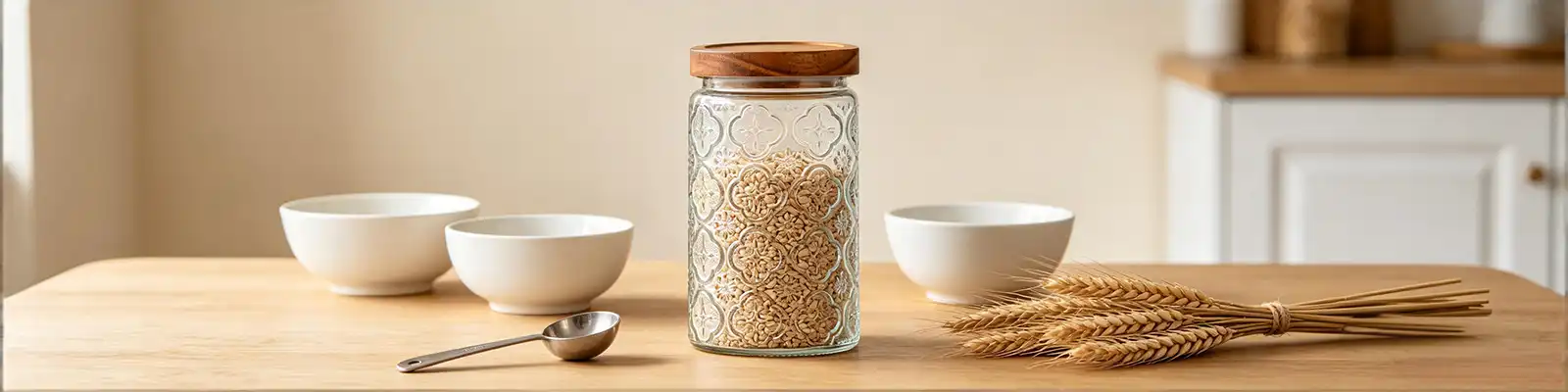
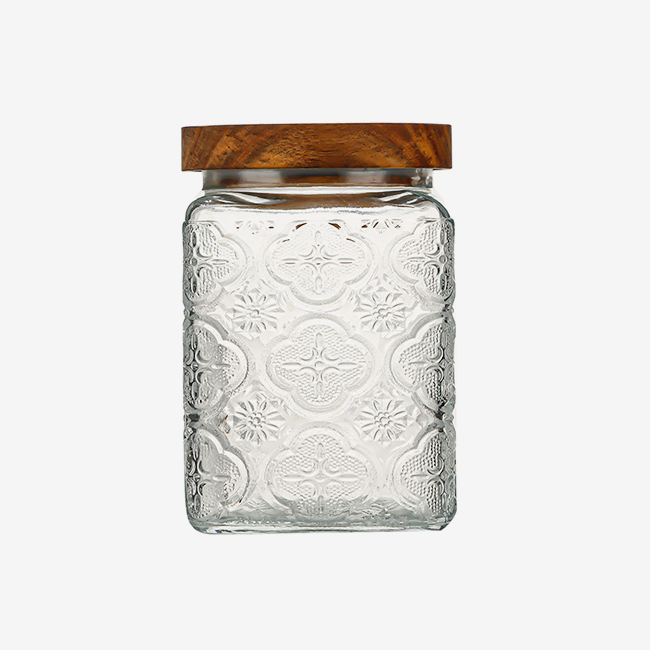
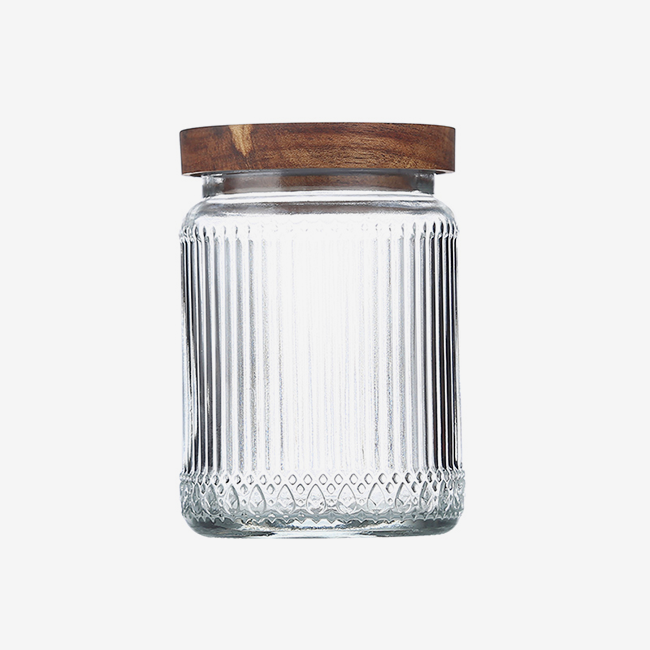
Large capacity vintage airtight glass jars are used to store large amounts of ingredients in food factories. They keep spices, grains, and other specialty items safe from moisture and rust. Cosmetic companies use old glass containers for bath salts, body scrubs, and dried plant mixes because they look nice and make the products seem more valuable. Companies that make medicines and supplements like the chemical inertness because it makes it easier to store sensitive materials. This is shown by our 1000ml glass storage jar with a bamboo or acacia lid (14cm high, 9.8cm circle), which can be used for many things. Its airtight design makes it perfect for tea, snacks, nuts, and other similar items. The natural wood lid gives it a nice feel that plastic can't match.
Vintage Airtight Glass Jars vs Modern Storage Solutions
Knowing the differences between large capacity vintage airtight glass jars and modern options helps procurement professionals make smart choices that meet business needs and brand positioning goals.
Material Performance Comparisons
Plastic containers can absorb smells and chemicals over time, but glass containers are better at resisting chemicals. The difference in longevity becomes clear over time: good glass jars keep their shape and seal well for decades, while plastic containers break down when exposed to UV light and washed over and over again. Visually, glass is the clearest material that shows off the quality of a product, which is becoming more and more important in store and food service settings where presentation affects choices about what to buy.
Environmental and Health Considerations
Plastic storage options add to the amount of trash in the world, and most food-grade plastics can't be recycled very well. Glass takes away worries about BPA, phthalates, and other chemicals that might get into kept goods. Businesses that want to serve health-conscious customers or get organic certifications need glass's clean image to back up their claims of product trustworthiness. The story of sustainability is no longer just a practical matter; it becomes an advantage for marketing.
Airtight vs Non-Airtight Distinctions
When it comes to antique jars, the ways they seal are very different. True airtight designs use gasket compression systems to make vacuum-tight seals, which are necessary for goods that need to completely block out oxygen and wetness. Old jars with simple lids that don't keep air out are good for show but can't protect fragile items. If you know these differences, you can avoid losing expensive products because of storing options that don't work with them.
Specialized Glass Properties
Some vintage-style jars are made of amber or cobalt glass that blocks UV rays. This is important for light-sensitive items like plant medicines, essential oils, or specialty drinks. This safe feature solves problems with preservation that regular clear glass or thick plastic can't, because it keeps the object visible while blocking harmful wavelengths. When looking for cases for things that break down easily in light, asking for UV-protective glass becomes an important quality factor.
How to Identify Authentic Large Capacity Vintage Airtight Glass Jars?
Quality control shields the money spent on purchases and makes sure that containers meet practical needs. It's easy to tell the difference between real vintage-style jars and poor copies because they have certain traits.
Brand Marks and Manufacturing Signatures
Glass cases made by reputable companies have identification signs embossed or stamped on them. On the bottom of ball jars are script names, and Anchor Hocking goods have unique symbols. These marks show how the product was made and allow for quality control by tracking. When looking at new suppliers, make sure to ask for detailed proof of where the products came from and check company certifications against databases in your business.
Physical Quality Indicators
Check the glass thickness by measuring the cross-sections of the walls. Good, large capacity vintage airtight glass jars have a thickness that stays the same all the way through, which is between 3 and 5 mm. Check the quality of the seams where the glass shapes were put together during production. Seams that are smooth and hard to see are a sign of good production control. Check the materials of the gaskets to see if they are regular and flexible. High-quality gaskets keep their flexibility without cracking or breaking down. The jar's weight is another good sign of its quality; a hefty heft means the glass is thick enough and will last a long time.
Airtightness Testing Procedures
Before taking bulk packages, procurement managers should set up realistic tests to make sure the seals are real. For the vacuum test, you fill the jar half way with warm water, seal it, and then turn it upside down. If the seal is good, there won't be any leaks. For the pressure test, sealed jars are put in water and light pressure is applied to the lid. If bubbles appear, the seal has failed. These easy steps will catch damaged goods before they get to customers, saving your business's image and keeping customers from complaining.
Warning Signs of Inferior Quality
Chipped edges around the mouth of the jar make it harder to seal and pose a safety risk. Gaskets that are cracked, hardening, or losing their tightness are a sign of poor storing or materials that aren't up to par. Stress points can be damaged by temperature shock when the thickness of the glass is not uniform. Clouding or darkening in glass means that it contains impurities. Rejecting batches with these problems keeps quality standards high and lets sellers know that you expect consistent greatness.
Conclusion
Large capacity vintage airtight glass jars deliver exceptional value across diverse B2B applications by combining proven preservation technology with aesthetic appeal and environmental responsibility. These versatile containers address critical storage challenges while supporting brand differentiation and sustainability initiatives. Understanding proper terminology, quality indicators, and procurement strategies empowers businesses to source containers that enhance operational efficiency and product presentation. Whether you're packaging artisan foods, cosmetic formulations, or pharmaceutical preparations, selecting appropriate glass storage solutions protects product integrity while communicating quality values to discerning customers. The investment in premium glass containers pays dividends through extended product shelf life, reduced waste, and strengthened brand positioning in markets increasingly focused on sustainability and authenticity.
FAQ
How do vintage airtight glass jars compare to modern plastic containers for long-term storage?
Glass jars provide superior long-term storage performance compared to plastic alternatives. The non-porous glass surface prevents odor absorption and chemical leaching that degrades product quality over time. Airtight seals with quality gaskets maintain consistent internal conditions, preventing oxidation and moisture infiltration more effectively than plastic containers. Glass's durability ensures containers maintain seal integrity through years of use, while plastic degrades under UV exposure and repeated temperature cycles.
Are these jars suitable for storing food products commercially?
Absolutely. Large capacity vintage airtight glass jars excel at commercial food storage when sourced from manufacturers using food-safe materials. Verify that containers meet FDA standards (21 CFR 177.2600) and feature food-grade gaskets free from BPA and phthalates. The airtight seal preserves freshness for dry goods, while glass's chemical inertness prevents flavor contamination. Many food manufacturers use these jars for ingredient storage, retail packaging, and specialty product presentation.
What maintenance practices extend the life of vintage-style glass jars?
Proper care maintains seal integrity and glass clarity. Hand washing with mild detergent prevents thermal shock that dishwashers might cause. Inspect gaskets regularly, replacing them when signs of cracking or hardening appear. Store jars with lids slightly loosened to prevent gasket compression during extended storage. Avoid extreme temperature changes that stress glass. These simple practices ensure decades of reliable performance from quality containers.
Partner with Xuzhou Pinyunyi Glass for Premium Storage Solutions
Xuzhou Pinyunyi Glass stands as a leading large capacity vintage airtight glass jar manufacturer, equipped with modern production facilities and nearly 100 skilled professionals dedicated to delivering exceptional glass packaging solutions. Our multifunctional glass storage jars—featuring 1000ml capacity, premium glass construction, and natural bamboo or acacia lids—exemplify the quality and versatility that B2B clients demand. We specialize in customization, offering rapid mold development, diverse surface treatments including decals and heat transfer, and flexible order quantities that accommodate both established brands and emerging businesses.
Our comprehensive product catalog spans cosmetic bottles, perfume containers, honey jars, wine bottles, and specialized pharmaceutical packaging, all manufactured to exacting quality standards that have earned recognition across international markets. From initial design consultation through production and logistics coordination, our team provides personalized support that transforms your packaging vision into market-ready reality. Contact us at 18168782056@163.com to discuss your specific requirements. Whether you need bulk glass storage jars for sale or fully customized solutions, we deliver competitive pricing, reliable quality, and service excellence that builds lasting partnerships.
References
- Ball Corporation. "History of Home Canning and Preservation." Ball Home Canning Reference Manual, 2022 Edition, Ball Corporation Press.
- McKinsey & Company. "Sustainability in Packaging: Inside the Minds of Global Consumers." Consumer Packaging Insights Report, 2023.
- Food and Drug Administration. "Packaging Materials for Food Contact: Regulatory Guidelines." Code of Federal Regulations Title 21, Part 177.2600, 2024 Edition.
- Glass Packaging Institute. "Material Properties and Environmental Impact Assessment of Glass Containers." Technical Standards Publication, 2023.
- Anchor Hocking Company. "Commercial Glass Container Engineering Specifications." Industrial Packaging Technical Guide, 2022.
- International Journal of Food Science. "Comparative Analysis of Storage Container Materials on Food Preservation Efficacy." Volume 47, Issue 3, March 2023, pages 312-328.
Learn about our latest products and discounts through SMS or email