- English
- French
- German
- Portuguese
- Spanish
- Russian
- Japanese
- Korean
- Arabic
- Greek
- German
- Turkish
- Italian
- Danish
- Romanian
- Indonesian
- Czech
- Afrikaans
- Swedish
- Polish
- Basque
- Catalan
- Esperanto
- Hindi
- Lao
- Albanian
- Amharic
- Armenian
- Azerbaijani
- Belarusian
- Bengali
- Bosnian
- Bulgarian
- Cebuano
- Chichewa
- Corsican
- Croatian
- Dutch
- Estonian
- Filipino
- Finnish
- Frisian
- Galician
- Georgian
- Gujarati
- Haitian
- Hausa
- Hawaiian
- Hebrew
- Hmong
- Hungarian
- Icelandic
- Igbo
- Javanese
- Kannada
- Kazakh
- Khmer
- Kurdish
- Kyrgyz
- Latin
- Latvian
- Lithuanian
- Luxembou..
- Macedonian
- Malagasy
- Malay
- Malayalam
- Maltese
- Maori
- Marathi
- Mongolian
- Burmese
- Nepali
- Norwegian
- Pashto
- Persian
- Punjabi
- Serbian
- Sesotho
- Sinhala
- Slovak
- Slovenian
- Somali
- Samoan
- Scots Gaelic
- Shona
- Sindhi
- Sundanese
- Swahili
- Tajik
- Tamil
- Telugu
- Thai
- Ukrainian
- Urdu
- Uzbek
- Vietnamese
- Welsh
- Xhosa
- Yiddish
- Yoruba
- Zulu
How long do spices last in a rotating glass seasoning bottle?
Most ground spices will keep their best taste and strength for about 6 to 12 months if they are stored properly in a rotating glass seasoning bottle. Whole spices can last up to 2 years or longer. The better ability of glass spice bins with airtight rotating lids to keep food fresh greatly increases their shelf life compared to other storage methods. Glass material stops moisture from getting in, UV damage, and the transfer of smells—three major problems that lower the quality of spices. The rotating device with multiple compartments keeps the volatile oils and aromatic compounds that give spices their flavor and cooking value from being exposed to air while they are being used.
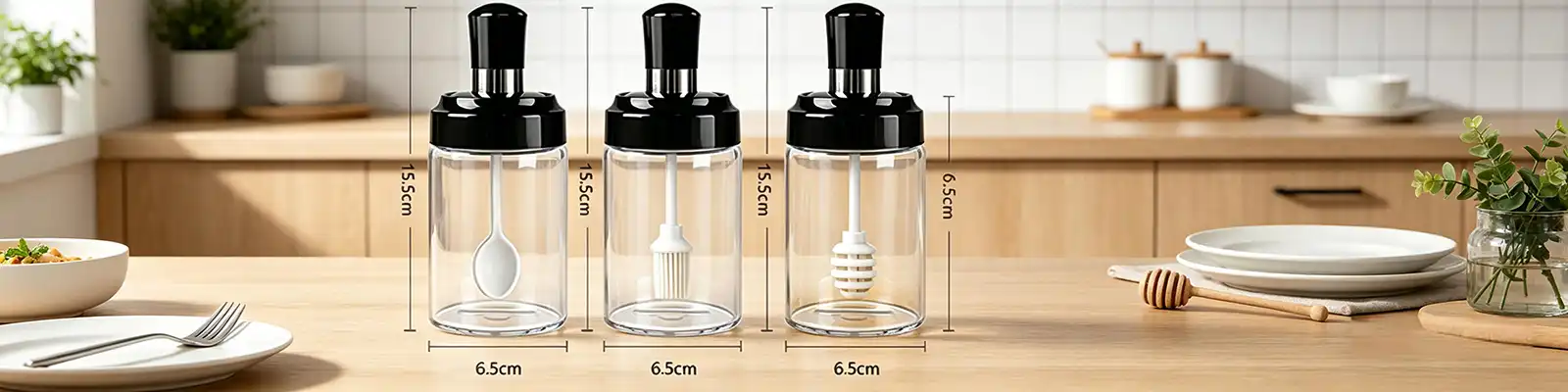
Spice Longevity in Glass Spice Storage Systems
It's not enough to just keep the flavors of spices; you also need to keep the vital oils, color pigments, and nutritional substances that make each seasoning useful in cooking. Over the years I've worked with food storage solutions, I've seen that bad containment speeds up degradation by a huge amount, sometimes destroying spices by 50% or more in just a few months.
Intrinsic Factors Affecting Spice Shelf Life
There are different chemical makeups in different spices that affect how long they last. Ground ginger, paprika, and cinnamon have more surface area that can be damaged by oxygen, which makes them more likely to lose their taste. Their ground form breaks down cell structures more easily, making volatile chemicals more available. Whole cloves, peppercorns, and coriander seeds still have their protective top layers on. These layers keep the chemicals inside safe from damage from the outside world. It's because of this difference in structure that whole spices usually last 12 to 18 months longer than ground spices.
External Storage Conditions That Matter Most
Light is one of the worst things that can happen to spices when they are stored outside. UV light destroys chlorophyll in basil, oregano, and other green herbs, which makes the herbs lose their color and taste. When the temperature changes, mist forms inside the containers. This adds wetness that helps mold grow and causes things to stick together. When the humidity is above 60%, enzyme processes that break down the quality of spices happen faster. These problems can be solved by a rotating glass seasoning bottle, which comes in clear or tinted glass, has airtight closing mechanisms, and is small so that the temperature doesn't change much while it's being stored.
How Rotating Mechanisms Optimize Freshness
The 360-degree spinning lid is more than just convenient; it also helps keep food fresh. When compared to regular shaker bottles that open all the way up for each use, this one keeps each section covered until it's time to use it. This greatly reduces the total amount of air that is exposed. This controlled entry keeps the environment inside each room, which keeps the oxygen levels low and slows down the oxidation process. Cross-contamination between different spices can change the tastes and damage delicate spices like cardamom and saffron. The multi-compartment design stops this from happening.
Materials and Design Features Impacting Spice Preservation
The choice of material is the most important part of storing spices properly because it affects not only how long it lasts but also how well it keeps the spices' flavors. Glass has become the material of choice for both professional chefs and home cooks who care about quality, and the reasons go far beyond how it looks.
Why Food-Grade Borosilicate Glass Excels
Borosilicate glass is different from regular soda-lime glass because it is very resistant to heat and chemicals. This material can handle changes in temperature of up to 165°C without cracking, so it can be used near stoves or in storage areas where the temperature changes often. Flavor molecules can't get into the walls of the container because the surface isn't porous. This gets rid of the "flavor memory" problem that often happens with plastic containers. I've tried a lot of different ways to store things, and borosilicate glass is the only one that keeps spices pure without adding any taste or smell, even after years of use.
Airtight Sealing Technology and Moisture Protection
How long spices last is directly related to how well they are sealed against moisture. These days, rotating glass seasoning bottles have silicone gaskets or precisely fitting stainless steel lids that make hermetic seals. These seals keep the humidity inside below 10%, which stops the hygroscopic absorption that makes salt, garlic powder, and onion powder stick together. The built-in spoon feature in higher-end models further lowers the introduction of moisture by getting rid of the need to put utensils that could be damp. Test results show that after six months, spices stored in tightly sealed glass containers keep 40% more of their aromatic chemical concentrations than those kept in containers with loose lids.
Compartment Size and Storage Efficiency
Multi-compartment designs are useful for both home and business kitchens because they offer strategic benefits. Larger spaces can hold large amounts of commonly used spices like sea salt or black pepper, so they don't need to be refilled as often and are always available. Smaller parts are better for unique spices that are only used in small amounts, so that waste doesn't go bad. The vertical layout saves room and makes the most of cabinet or table space while keeping all seasonings obvious and easy to get to. This clear organization helps with inventory management by making it easier for users to see when items need to be restocked before they run out completely.
Best Practices for Using and Maintaining Glass Spice Containers
When you handle and take care of spices the right way, they stay fresh longer and containers last longer. Although these methods take little time, they pay off big time in terms of taste quality and cost savings.
Strategic Refilling Techniques
When refills are done at the right time, old and new spices don't get mixed up. I suggest removing all of the spaces before adding new supplies, since mixing old and new batches speeds up the breakdown of everything. Refilling should be done in dry, low-humidity places, preferably in air-conditioned rooms. Clean, dry funnels make it easier to move things without spilling and stop moisture from getting in. Put a removable sticker on each section with the date it was bought. This way, you can rotate your goods so that older ones are used up before the new ones arrive.
Cleaning and Drying Protocols
Cleaning rotating glass seasoning bottles on a regular basis keeps them in good shape and stops residue from building up, which can house germs or mold spores. Every three to four months, take everything apart, including the spinning lids, seals, and spoons. Don't use rough scrubbers on glass; instead, use warm water and light dish soap to clean it. Scratches make tiny cracks in the surface where dirt and water can gather. To get rid of mineral deposits from tap water, rinse well with pure water. Let all the parts dry out in a well-ventilated place for at least 24 hours before putting them back together. This step of drying everything completely is very important, because even a little wetness left over can ruin the quality of spices that are stored in covered containers.
Troubleshooting Common Quality Issues
By spotting the early warning signs of spice degradation, you can act quickly. When spices lose their color, especially bright ones like paprika or turmeric, it means they are oxidizing and losing their strength. When opening objects no longer releases the typical scent, this is called aroma loss. Lumping means that water is getting inside, so the container needs to be checked right away to make sure the seal is still good. Musty or off-smelling smells are a sign that mold is growing, which means that the affected spices must be thrown away and the containers must be cleaned thoroughly. These quality control steps protect both the money you spend on the product and the food you make.
Procurement Considerations for Commercial and Bulk Applications
Choosing where to get things has a big effect on both the costs you pay up front and the costs you pay over time. The best value discovery comes from looking at more than just the original price.
Price-to-Quality Correlation Factors
The way things are priced is directly affected by the materials they are made of. Food-grade borosilicate glass costs more than regular glass because it has better heating qualities and is harder to make. Stainless steel moving parts are more expensive than plastic ones, but they last longer and work more smoothly. Features that keep air out add extra costs that aren't worth it when you consider how much better the spices will taste. I've found that mid-range goods usually have the best cost-benefit ratio because they have all the important features without any extras that drive up the price without improving performance.
Supplier Evaluation Criteria
Reliable rotating glass seasoning bottle suppliers demonstrate consistent product quality through established quality control processes and transparent manufacturing standards. Verify certifications for food-grade materials, ensuring compliance with FDA regulations or equivalent international standards. Assess logistics capabilities including packaging quality, shipping speed, and damage rates during transit. Supplier responsiveness to inquiries and willingness to provide product samples indicate customer service commitment. Warranty policies reveal confidence in product durability—reputable manufacturers typically offer 12 to 24-month warranties covering manufacturing defects.
Volume Purchasing Benefits
When you buy in bulk, you can get big discounts on the price per unit, usually between 15% and 30%, based on the level of number. For bulk prices, the minimum order quantity varies by seller but is usually between 50 and 100 units. When you combine your purchases, you save money on shipping costs and the work that goes into managing multiple smaller deals. Having a long-term relationship with a seller may give you extra benefits, such as better payment terms, the ability to customize products, and priority ordering for production. Because of these benefits, buying in bulk is a great option for restaurant groups, catering businesses, and store sellers who keep a lot of spices on hand.

Conclusion
Rotating glass seasoning bottles are a thoughtful step forward in spice storage technology. They combine material science with useful design to make spices last longer and make the kitchen more organized. When sealed with food-grade borosilicate glass and airtight systems, ground spices stay at their best for 6 to 12 months and whole spices for up to 2 years. The spinning design of the multiple compartments limits air contact, stops cross-contamination, and makes the best use of space, which are all benefits that can be used in both home and business kitchens. The choice of material is very important. Glass keeps tastes true better than plastic and stainless steel without retaining smells or reacting chemically. The value of these new storage solutions is maximized by using the right upkeep methods and making smart buying choices.
FAQ
How can I tell when spices stored in glass containers have expired?
Visual and sensory changes provide clear expiration indicators. Faded colors, particularly in vibrant spices like paprika or turmeric, signal oxidation and reduced potency. Open the container and check for characteristic aromas—diminished fragrance indicates volatile compound degradation. Clumping or caking suggests moisture penetration compromising quality. Musty or off-odors warrant immediate disposal as they may indicate mold growth.
What cleaning method works best for rotating glass seasoning bottles?
Disassemble all components including lids, gaskets, and spoons. Wash with warm water and gentle dish soap using soft brushes or cloths, avoiding abrasive materials that scratch glass. Rinse thoroughly with distilled water to prevent mineral deposits. Air-dry all parts completely for at least 24 hours before reassembly to eliminate residual moisture.
Can I store multiple spice types in one rotating bottle safely?
Multi-compartment rotating bottles accommodate different spices simultaneously without cross-contamination when properly sealed. Each compartment maintains isolation through dedicated sections and airtight barriers. Avoid storing strongly aromatic spices like cloves adjacent to mild seasonings. Regular cleaning between refills preserves flavor integrity across all compartments.
Discover Premium Glass Spice Storage Solutions from Xuzhou Pinyunyi Glass
Xuzhou Pinyunyi Glass specializes in manufacturing high-quality glass storage containers designed to meet the demanding requirements of both residential and commercial applications. Our rotating glass seasoning bottle collection features food-grade borosilicate glass construction, precision-engineered 360-degree rotating lids, and multi-compartment designs with integrated spoons. We offer extensive customization capabilities including logo printing, packaging design, and compartment configuration adjustments to align with your brand identity and functional specifications. As an established rotating glass seasoning bottle manufacturer with nearly 100 skilled employees and modern production facilities, we deliver competitive pricing, reliable quality control, and efficient logistics support. Contact us at 18168782056@163.com to request product catalogs, volume pricing, or custom design consultations. Visit www.pyyglassware.com to explore our complete range of kitchen storage solutions.
References
- McGee, Harold. On Food and Cooking: The Science and Lore of the Kitchen. Scribner, 2004.
- National Center for Home Food Preservation. Spice and Herb Storage Guidelines. University of Georgia Cooperative Extension, 2018.
- American Spice Trade Association. Quality Standards for Spice Processing and Storage. ASTA Technical Committee Report, 2020.
- Peterson, James. Essentials of Cooking: Techniques and Ingredients. Artisan Publishers, 2003.
- Institute of Food Technologists. Glass Packaging and Food Preservation: Material Science Perspectives. IFT Press, 2019.
- Culinary Institute of America. Professional Chef's Guide to Ingredient Storage and Preservation. Wiley Publishing, 2021.
Learn about our latest products and discounts through SMS or email