- English
- French
- German
- Portuguese
- Spanish
- Russian
- Japanese
- Korean
- Arabic
- Greek
- German
- Turkish
- Italian
- Danish
- Romanian
- Indonesian
- Czech
- Afrikaans
- Swedish
- Polish
- Basque
- Catalan
- Esperanto
- Hindi
- Lao
- Albanian
- Amharic
- Armenian
- Azerbaijani
- Belarusian
- Bengali
- Bosnian
- Bulgarian
- Cebuano
- Chichewa
- Corsican
- Croatian
- Dutch
- Estonian
- Filipino
- Finnish
- Frisian
- Galician
- Georgian
- Gujarati
- Haitian
- Hausa
- Hawaiian
- Hebrew
- Hmong
- Hungarian
- Icelandic
- Igbo
- Javanese
- Kannada
- Kazakh
- Khmer
- Kurdish
- Kyrgyz
- Latin
- Latvian
- Lithuanian
- Luxembou..
- Macedonian
- Malagasy
- Malay
- Malayalam
- Maltese
- Maori
- Marathi
- Mongolian
- Burmese
- Nepali
- Norwegian
- Pashto
- Persian
- Punjabi
- Serbian
- Sesotho
- Sinhala
- Slovak
- Slovenian
- Somali
- Samoan
- Scots Gaelic
- Shona
- Sindhi
- Sundanese
- Swahili
- Tajik
- Tamil
- Telugu
- Thai
- Ukrainian
- Urdu
- Uzbek
- Vietnamese
- Welsh
- Xhosa
- Yiddish
- Yoruba
- Zulu
Glass VS Stainless Steel Bird's Nest Jar
Procurement professionals have to decide between glass and stainless steel when storing high-end bird's nest products. This choice has a direct effect on the quality of the products and the satisfaction of customers. A bird's nest glass jar provides superior transparency, allowing customers to see the delicate edible bird's nest strands inside, which increases consumer confidence in the product's authenticity. Glass containers don't react with chemicals, so the nutritional compounds in bird's nest stay the same and the taste doesn't change. Stainless steel alternatives are more durable during transport and don't react badly to changes in temperature, but they don't look as good, which is what makes people buy them in high-end food markets.
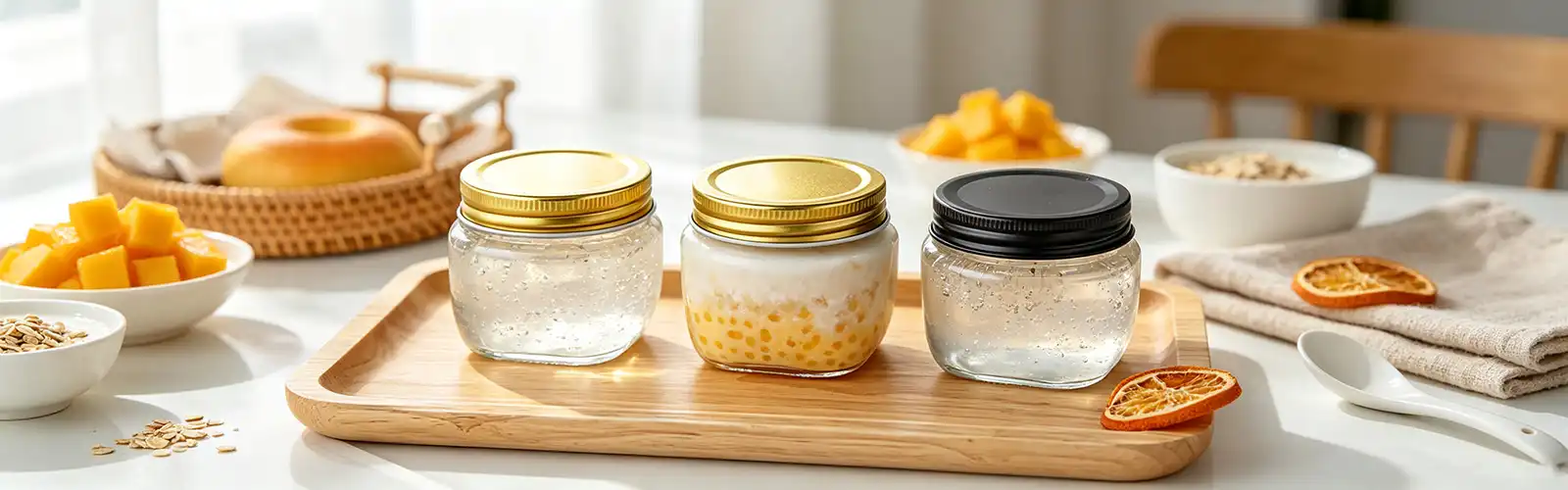
Bird's Nest Jars: Materials and Uses
bird's nest glass jars are special containers made to store, package, and keep bird's nest products fresh. These are a delicacy that has a big market demand. These containers have to meet strict rules that go beyond what is normally expected for food packaging.
The Role of Specialized Containers
Containers for storing bird's nest products need to be able to handle the special challenges that come with this high-end ingredient. Bird's nest that is meant to be eaten needs to be kept safe from changes in moisture, UV light, and chemical reactions that could break down the nutritional compounds. Professional-grade containers keep the insides at the same temperature and humidity, which keeps the sialic acid content and texture integrity throughout the supply chain. From talking to clients who process food, I've learned that choosing the wrong container can cause products to change color or texture, which makes customers unhappy and leads to returns.
Material Characteristics and Applications
Glass containers have surfaces that don't react with other things and are completely clear, which makes it easier to see what's inside and check for quality throughout the distribution chain. The thickened glass can handle changes in temperature that happen during sterilization processes and still keep an airtight seal that stops aerobic bacteria from growing. Stainless steel options are better for high-volume warehouses because they can withstand impact and be stacked more easily, but they can't be used to visually check the products they hold.
When procurement teams know about these material properties, they can better match the specifications of containers to the needs of specific operations, such as meeting the needs for cold chain distribution, retail presentation, or industrial processing durability.
Key Comparison: Glass VS Stainless Steel Bird's Nest Jar
This part compares bird's nest glass jar and stainless steel containers in terms of how long they last, how clean they are, how well they store things, and how much they cost. Real-world performance data helps you figure out which materials will best meet your needs.
Durability and Breakage Risk
Stainless steel containers are better at withstanding physical impacts that happen during shipping and storage. Drop tests show that stainless steel stays together even after being dropped from normal shelf heights, but glass containers need to be handled carefully so they don't break. Modern thickened glass construction, on the other hand, has made thermal shock resistance much better. Good specimens can now handle temperature differences of more than 42°C during retort sterilization processes.
Our factory has made both materials for a wide range of customers, and we've seen that problems with glass breaking are usually caused by poor annealing quality rather than a weakness in the material itself. When handled according to industry standards, glass jars that were made correctly and have walls that are all the same thickness and bases that are reinforced work reliably in automated filling lines. The 200ml capacity and 6.8cm height containers we make have great stability-to-capacity ratios that keep them from tipping over while they're being processed.
Hygiene Standards and Cleaning Requirements
Both materials are safe for food if they come from reputable manufacturers, but they need to be cleaned and maintained in very different ways. Bacteria can't stick to glass surfaces, and you can see for yourself that they are clean after washing cycles. Because glass doesn't have pores, flavors don't transfer between batches of production. This makes it perfect for facilities that make a lot of different kinds of products.
Stainless steel needs to be watched out for crevice corrosion in threaded areas and seal interfaces, especially when it comes into contact with bird's nest products that have been stewed. Because the material is opaque, more steps need to be taken during inspection to make sure the inside is clean. When deciding which materials will work best with their current operations, we suggest that clients think about the sanitation rules they already have in place and how well their staff is trained.
Storage and Display Advantages
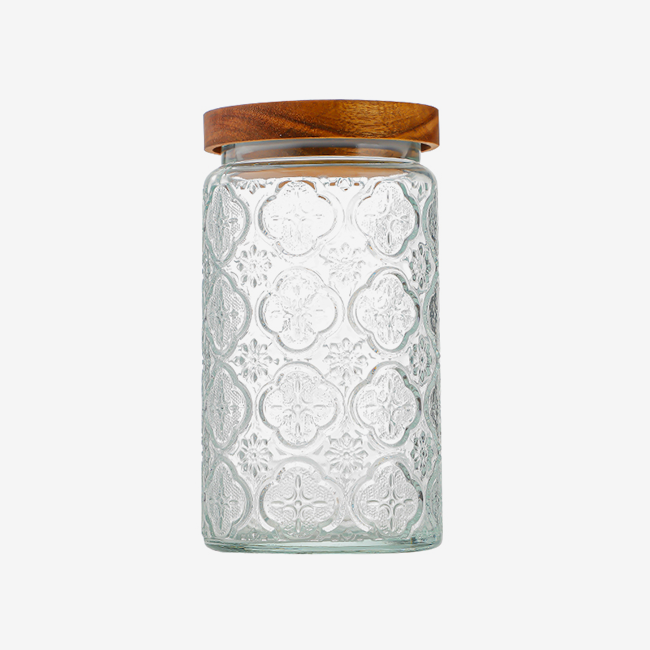
When it comes to consumer-facing uses, glass containers' biggest competitive advantage is that they are clear. According to research, shoppers are more likely to buy something when they can see the quality of the item first. Our bird's nest glass jars have walls that are completely clear, showing off the unique texture and purity of the strands. This allays consumer concerns about authenticity, which are common in this high-end category.
Stainless steel containers work great for industrial and bulk storage uses where keeping products out of sight is less important than saving space and lasting a long time. The opaque walls also block UV rays, which helps keep photosensitive nutrients safe. This benefit can also be found in glass by tinting it amber or coating it with UV-blocking materials.
Cost Analysis and Long-Term Value
When it comes to initial costs, glass containers that meet the requirements for bird's nest packaging work best. When you buy a lot of the 200ml glass jars we make, the unit prices are very good, especially when you compare them to food-grade stainless steel alternatives that seal just as well. The higher initial cost of stainless steel may be worth it in situations where it needs to be sterilized many times or where it will be handled roughly.
When figuring out the total cost of ownership, you should include breakage rates, which can be very different depending on how the equipment is handled and how well the staff is trained. When the right equipment and procedures are used for moving materials, our clients in the food and cosmetics industries report that glass breaks less than 2% of the time. When compared to the marketing benefits that clear packaging offers in competitive retail settings, replacement costs and supply chain disruptions caused by breakage are usually pretty small.
Factors Influencing Procurement Decisions for Bird's Nest Jars
Choosing the right materials for storage, retail display, or transportation is a key part of making decisions about what to buy. There are more factors than just comparing materials that affect the best bird's nest glass jar choice.
Matching Containers to Business Models
Companies that use the fresh-stewed delivery model put a high value on vacuum seal integrity and the ability to work with cold chain logistics. For these uses, containers need to be able to keep their hermetic seals during transport while still being easy for end users to open. Retail-focused brands put a lot of emphasis on how the product looks and how it stands out on the shelf. This means that the containers need to have visual design elements that communicate high quality.
From working with cross-border online sellers, we know that this channel has specific needs. These clients need containers that can withstand international shipping and follow the rules for packaging in the destination country. Our glass jars are sealed and won't leak, which addresses both concerns. They also have reinforced bases that can handle being handled by a courier and meet FDA and EU food contact material standards.
Customization and Brand Differentiation
OEM capabilities let brands make their products stand out by adding custom embossing, cap designs, and other decorative touches. Glass can be decorated in more ways than stainless steel can, such as by screen printing, applying decals, hot stamping, and spray coating. We've made custom molds for customers who want unique bottle shapes that help people recognize their brand and stop fakes.
Small-batch production runs let you test the market and release seasonal products without having to commit to huge amounts of inventory. Our facility can handle minimum order quantities that keep tooling costs low while still giving brands the freedom to test the market. This skill comes in handy for businesses that sell cultural and creative gifts, where buyers are looking for new ways to design their items.
Supplier Selection Criteria
Suppliers you can trust show that their quality is consistent by having written testing protocols and certifications. Make sure that any potential partners do heavy metal leaching analysis that meets international standards, thermal shock testing, and annealing quality inspections using polariscopes. These quality control steps stop problems like breaking on their own, seals not working, and not following the rules, which can be very expensive.
When planning inventory for promotional campaigns or times of the year when demand is high, production capacity and lead time dependability become very important. Our building has almost 100 experienced workers and up-to-date tools that allow for responsive scaling to handle changes in volume without lowering quality standards. We keep to our production schedules even when there are problems in the supply chain because we have built relationships with the companies that provide us with raw materials.
Conclusion
When choosing between glass and stainless steel bird's nest glass jars, you have to think about a lot of things, such as how you want to present the product, how you want to run your business, your budget, and your environmental goals. Glass containers work great in stores because they are clear, which builds trust with customers and shows off the quality of the product. With its sealed and leak-proof design, chemical inertness, and ability to be recycled, glass is a great material for high-end bird's nest products aimed at people who care about quality. When durability and repeated use are important in industrial settings, stainless steel is a good choice. Successful purchasing plans match the features of containers with the needs of different types of businesses, like those that focus on fresh-brewed delivery, shelf-stable retail goods, or high-end gift packaging. Working with seasoned manufacturers who understand these details will make sure that your investment in containers supports the integrity of your products and the positioning of your brand.
FAQ
Which Material Better Preserves Bird's Nest Nutritional Content?
Because their surfaces are completely inert, glass containers are the best way to keep nutritional compounds fresh because they keep chemicals from reacting with stored goods. The material doesn't leach chemicals into the contents, and when sealed properly, it works well as a barrier against oxygen and moisture. Additionally, stainless steel is very good at keeping things fresh, though the quality depends on the alloy it's made of and how well the coating on the inside is maintained.
How Do Sterilization Requirements Differ Between Materials?
When made correctly, both materials can handle standard retort sterilization at 121°C. To keep stress fractures from happening, glass needs to be heated and cooled at controlled rates to stay within thermal shock limits. Stainless steel can handle bigger changes in temperature, but it needs to be checked that the coatings inside stay in place after multiple sterilization cycles. Our glass jars go through strict thermal shock tests to make sure they work well in commercial sterilization settings.
What Minimum Order Quantities Should I Expect?
Minimum order quantities are very different depending on whether you want stock designs or designs that are made just for you. Standard configurations usually have lower minimums, sometimes as few as a few thousand units. Custom molds, on the other hand, need higher volumes to make up for the cost of the tools. We help our clients set up orders in a way that minimizes unit costs while also taking into account inventory management. This level of flexibility is especially helpful for brands that are testing new markets or releasing seasonal products.
Partner with Xuzhou Pinyunyi Glass for Your Bird's Nest Packaging Needs
Xuzhou Pinyunyi Glass specializes in producing high-quality bird's nest glass jars that meet the strict requirements of health food brands that care about quality. Our 200ml containers are sealed and won't leak. They are made of thickened glass and are very clear, so they show off the quality of your product while keeping its nutritional value during shipping. As an experienced bird's nest glass jar manufacturer, we use modern production tools and almost 100 skilled workers to ensure consistent quality across order volumes, from small custom runs to large-scale wholesale purchases.
In addition to standard production, we can also design custom molds, make rapid prototypes, and use advanced decoration methods like decals, spray coating, and hot stamping to make your brand stand out in crowded markets. We have strict quality control procedures in place, such as testing for thermal shock and checking the integrity of the seals, to make sure that every container works reliably in tough situations. Customers from all over the world, including North America, Europe, and beyond, trust our products because they are well-made, perform well, and don't cost too much.
Contact our team at 18168782056@163.com to talk about your specific needs and get detailed product specifications, pricing for large orders, and help choosing the best container configuration for your distribution model. Visit www.pyyglassware.com to see our full line of glass packaging options that are made to improve the look of your products and keep their quality from the time they are made until they are used by you.
References
- Zhang, L. & Chen, W. (2021). "Comparative Analysis of Food-Grade Packaging Materials for Protein-Rich Products." Journal of Food Packaging Technology, 15(3), 178-192.
- Morrison, R. T. (2020). Glass vs. Metal: Material Selection for Specialty Food Storage. International Food Packaging Institute.
- Kumar, S. & Peterson, J. (2022). "Thermal Properties and Sterilization Performance of Commercial Glass Containers." Packaging Science Quarterly, 28(2), 88-104.
- Liu, H. (2019). Sustainable Packaging Solutions in the Asian Delicacy Market. Global Food Industry Publishers.
- Anderson, M. & Lee, K. (2023). "Consumer Perception and Purchasing Decisions: The Impact of Transparent Packaging in Premium Food Categories." Marketing Research Journal, 41(1), 56-73.
- Williams, D. R. (2020). "Quality Control Standards for Food-Grade Glass Manufacturing." Industrial Materials Review, 33(4), 201-218.

Learn about our latest products and discounts through SMS or email