- English
- French
- German
- Portuguese
- Spanish
- Russian
- Japanese
- Korean
- Arabic
- Greek
- German
- Turkish
- Italian
- Danish
- Romanian
- Indonesian
- Czech
- Afrikaans
- Swedish
- Polish
- Basque
- Catalan
- Esperanto
- Hindi
- Lao
- Albanian
- Amharic
- Armenian
- Azerbaijani
- Belarusian
- Bengali
- Bosnian
- Bulgarian
- Cebuano
- Chichewa
- Corsican
- Croatian
- Dutch
- Estonian
- Filipino
- Finnish
- Frisian
- Galician
- Georgian
- Gujarati
- Haitian
- Hausa
- Hawaiian
- Hebrew
- Hmong
- Hungarian
- Icelandic
- Igbo
- Javanese
- Kannada
- Kazakh
- Khmer
- Kurdish
- Kyrgyz
- Latin
- Latvian
- Lithuanian
- Luxembou..
- Macedonian
- Malagasy
- Malay
- Malayalam
- Maltese
- Maori
- Marathi
- Mongolian
- Burmese
- Nepali
- Norwegian
- Pashto
- Persian
- Punjabi
- Serbian
- Sesotho
- Sinhala
- Slovak
- Slovenian
- Somali
- Samoan
- Scots Gaelic
- Shona
- Sindhi
- Sundanese
- Swahili
- Tajik
- Tamil
- Telugu
- Thai
- Ukrainian
- Urdu
- Uzbek
- Vietnamese
- Welsh
- Xhosa
- Yiddish
- Yoruba
- Zulu
Glass Organ Cup VS Ceramic Coffee Mug
Should you buy glass organ cups or ceramic coffee mugs in bulk or for retail? The answer depends on how you want to place your brand and who you want to buy from you. These organ cups with polka dots or glacier stamping on them are eye-catching and one-of-a-kind, which makes them stand out in the culinary and gift industries. On the other hand, clay mugs keep drinks warm in the usual way, which makes them great for coffee.
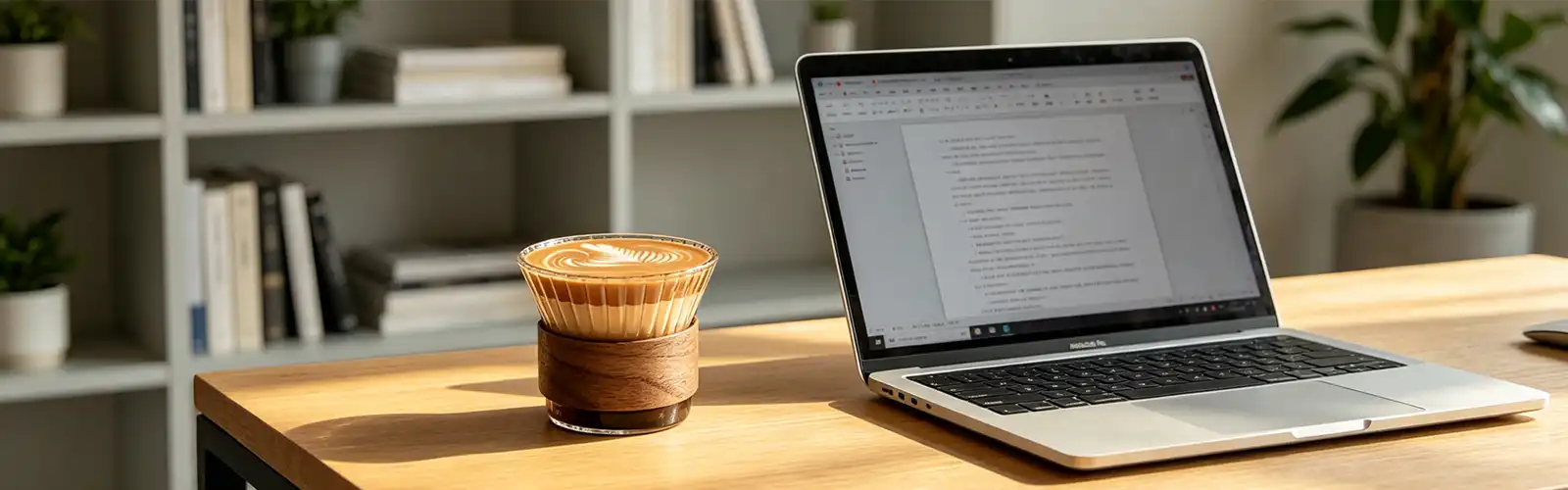
Understanding Glass Organ Cups and Ceramic Coffee Mugs
What Are Glass Organ Cups?
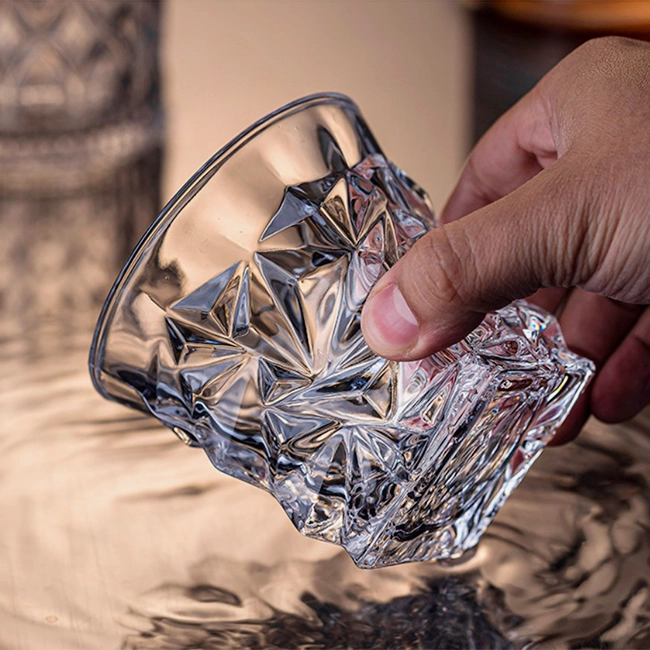
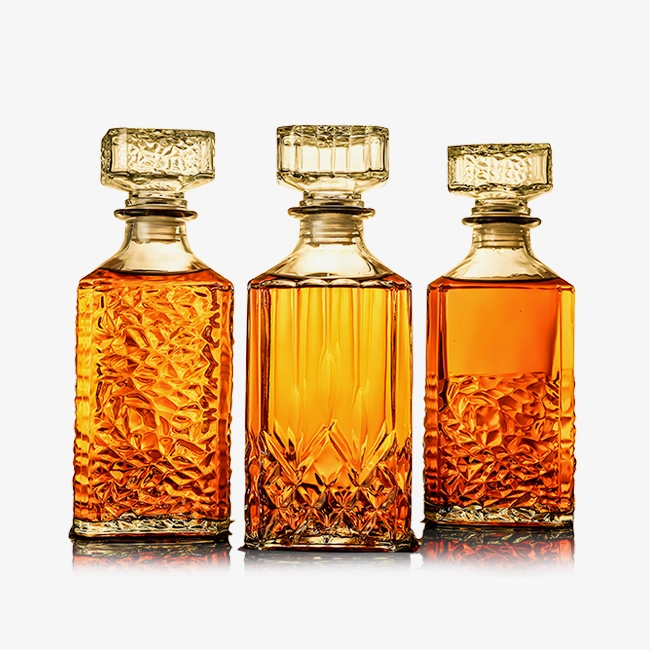
Organ cups made of glass are rough glasses with designs that were meant to be there. More often than not, molds are used to make these shapes. On these cups, there are polka dot whiskey glasses, glacier patterns, and fruit designs that have been etched. They're normally made of soda-lime glass, weigh around 400g, and don't have handles or lids, which makes them look even more simple and nice. The word "organ" comes from the sound, which is regular and organized and sounds like pipes on a musical instrument.
Characteristics of Ceramic Coffee Mugs
Ceramic mugs that are fired in a kiln at temperatures above 1,200°C become thick and resistant to heat, making them great for hot drinks. The types that are often found in shops are stoneware, porcelain, and clay. The end quality and length of time each last are different. There are several ways to paint pottery because it is porous. Screen printing, stickers, and stamping are all ways to make your own brand. People like these mugs in coffee shops and businesses because they are easy to hold and keep hot or cold. They can hold 8 to 16 ounces of liquid.
Industry Applications and Market Fit
Businesses that care about how things look and use glass organ cups are boutique hotels, event planners, and online stores that cater to a certain lifestyle. Earth-friendly brands like that they can be used again and again. Mugs made of ceramic are great for everyday use, giving as gifts, and playing host. They last a long time and keep drinks hot or cold. When buying teams know these differences, they can choose the right drinkware for each business situation. For example, when they're setting up company break rooms or making a line of summer drinks, they can do this more easily.
Comparative Analysis: Glass Organ Cup vs Ceramic Coffee Mug
Material Properties and Beverage Quality
Nothing changes the taste of something when it's in glass, so drinks keep their original tastes without any issues. It is important to have this quality for craft cocktails, cold brews, and other specialty drinks where small notes matter. As a general rule, pottery doesn't change taste, but glazes can, especially if acidic drinks are in contact with them for a long time. The two have very different ways of keeping heat in. Coffee stays hot for 30 to 45 minutes in ceramic cups with thick walls. Water and other cold drinks stay cold longer in glass organ cups with thinner walls. Glass lets customers see the color and levels of drinks better, and it looks better when people are together.
Premium glassware types, like seeded glass or raindrop designs, make drinking better by letting in just the right amount of air through the walls of the glass. These bubbles are meant to be there, so they spread light and make amber drinks look better. This makes them great for serving whiskey. It's stable because the base is weighted (usually 150g to 300g), and the rough surface makes it easier to hold on to in busy eating areas where people might slip.
Durability and Maintenance Considerations
Everyday use of ceramic mugs makes them more durable than normal glass. They can also handle drops from a table higher than glass. Organ cups made of soda-lime glass are more flimsy, but heat treatments can make them last longer. Tests based on EN 12875-1 standards show that properly made glass stays clear after 500 washes. Ceramic handles can break when they are under a lot of stress, which means the product is lost. When made of glass and not having handles, they don't have this weakness at all.
There are a lot of different maintenance plans. To keep ceramic from getting stained, you should clean it with alkaline soaps and give it a good clean every so often. Textured glass organ cups need to have trash cleaned out of the cracks and gaps, but the patterns hide small scratches and water spots, so they look better for longer when they are used by customers. Glass organ cups are a good choice for businesses that want to keep track of when to change them because they hide wear.
Aesthetic Impact and Brand Alignment
People who buy from businesses decide what to buy based on their visual brand. Glacier designs or embossed features on glass organ cups show that they are modern, high-end, and hand-made. When light moves through patterned glass, it makes interesting pictures that look great in photos, which is useful for social media marketing and online shopping. Ceramic mugs, which are made by well-known brands that value classic style, show the comfort and reliability of the past.
There are many ways to change the look of different elements. You can use etching, stickers, baking, and heat transfer to work on glass. This lets you make color effects and logos with lots of depth. You can screen print and sublimate on pottery, but colors might not look as bright if the base glaze is darker. It is easy to make changes to glass quickly, and the process from idea to production is often 30% faster than with pottery. Businesses that are putting out limited-edition lines of goods or holiday deals can use this.
How to Choose the Right Drinkware for Your Business
Evaluating Usage Scenarios and Target Markets
Because office cups need to last a long time and keep heat in, clay mugs are often used in break rooms and meeting rooms for clients. Places that serve food and drinks, like cocktail bars, wine rooms, and high-end restaurants, should use glass organ cups that show off the drinks. You should compare the value people think a gift is worth to how much it costs per unit when giving promotional gifts. Even if you buy more than 5,000 pieces, textured glassware doesn't cost too much for how fancy it looks.
Material Safety and Regulatory Compliance
Procurement teams have to make sure that the goods they buy in controlled markets meet FDA guidelines for how much lead and cadmium they leak. This is very important for glazes on pottery. When good glass is made, it has a sticker that says it is lead-free and meets EU 10/2011 guidelines. Polariscope testing makes sure that glass items don't have any stress left over around patterns like bubbles that could make them break on their own. Structures are made strong with internal pressure checks and rim impact tests. This keeps businesses from getting sued or having to send back goods.
Balancing Cost, Customization, and Order Volumes
There needs to be a mix between price, customization, and order number. Minimum Order Quantities (MOQs) change the way you buy things in a big way. Most of the time, the MOQ for glass is between 3,000 and 10,000 units per design. It can be anywhere from 1,000 to 5,000 units for pottery, depending on how hard it is to make each one unique. When bought in bulk, soda-lime glass organ cups cost between 80¢ and $2 per unit. Ceramic mugs, on the other hand, range in price from 120¢ to $4, based on their weight and finish. A business should add up all the costs of packing, shipping, and tailoring to get the real cost per unit.
It's very important to have good relationships with the people who sell you glasses. Mold developers who are well-known in the industry let brands make their own designs, which helps them stand out in the market. By making changes to existing models, the cost of making new ones goes down while the product stays special. With this, new brands that don't have the money for full custom development can get a lot of help.
Conclusion
Aside from your business plan, the tastes of your target market, and the needs of your operations, you should think about whether to use glass organ cups or ceramic coffee mugs. There are a lot of gift, lifestyle, and hospitality shops that sell glass organ cups because they look trendy and stand out. Ceramic mugs are made for traditional markets that care about keeping heat in and being easy to hold. When you buy something, it's smart to check that the materials are safe, only buy from reputable sellers, and see how much the whole thing costs. The best way to make sure that your goods meet your business's changing needs is to work with skilled manufacturers who offer sample programs, and the ability to change the amount of products you buy.
FAQ
Which drinkware type offers better value for hospitality businesses?
Glass organ cups are the best choice when how they look is important to the customer. They look current and take good pictures, which is good for cocktail bars, boutique hotels, and event spaces. For places that serve a lot of coffee and need to keep the heat in, like meeting rooms and office cafeterias, ceramic mugs are a better value.
What considerations affect international shipping of bulk glassware orders?
How often things break while being shipped depends a lot on how well they are packed. Pick service providers that give strong box systems with enough padding and dividers. When you fill containers, make sure they don't move, and make sure the palletizing follows the rules for the business. Pick service providers that have worked with international logistics before, offer safety, and can connect you with freight forwarders who know how to handle fragile items the right way.
Partner with Xuzhou Pinyunyi Glass for Premium Drinkware Solutions
With years of experience making one-of-a-kind glass organ cups and ceramic choices, Xuzhou Pinyunyi Glass Products Co., Ltd. is ready to help your business. Our building has up-to-date production lines and is staffed by nearly 100 trained workers. At our company, the standard of our work is the same for all orders, no matter how big or small they are. We know that names of home goods, online shops, and lodging providers in the US and EU markets have trouble when they try to buy things.
Our comprehensive capabilities include rapid mold development, customization services spanning decals to heat transfer, and flexible packaging solutions tailored to your distribution requirements. Samples are freely furnished, allowing thorough evaluation before production commitment. As a trusted glass organ cup supplier, we maintain strict quality control protocols including annealing verification, rim impact testing, and FDA compliance certification. Contact our team at 18168782056@163.com to discuss your specific drinkware needs, request product catalogs, or arrange sample shipments. Visit www.pyyglassware.com to explore our complete range and discover how our glass solutions can differentiate your brand in competitive markets.
References
- Smith, J. and Anderson, K. (2022). Commercial Glassware: Materials, Manufacturing, and Market Trends. Industrial Press.
- Thompson, R. (2021). "Thermal Properties and Consumer Preferences in Beverage Containers," Journal of Hospitality Product Research, 15(3), 112-128.
- European Committee for Standardization (2020). EN 12875-1: Dishwasher Resistance Testing for Commercial Glassware. Brussels: CEN Publications.
- Martinez, L. (2023). B2B Procurement Strategies for Hospitality Supply Chains. Business Academic Press.
- United States Food and Drug Administration (2021). Compliance Policy Guide: Lead and Cadmium in Ceramic and Glass Food Contact Surfaces. Washington, DC: FDA Publications.
- Chen, W. and Roberts, P. (2022). "Aesthetic Value Perception in Textured Glassware: A Consumer Behavior Study," International Journal of Retail Management, 28(4), 201-217.
Learn about our latest products and discounts through SMS or email