- English
- French
- German
- Portuguese
- Spanish
- Russian
- Japanese
- Korean
- Arabic
- Greek
- German
- Turkish
- Italian
- Danish
- Romanian
- Indonesian
- Czech
- Afrikaans
- Swedish
- Polish
- Basque
- Catalan
- Esperanto
- Hindi
- Lao
- Albanian
- Amharic
- Armenian
- Azerbaijani
- Belarusian
- Bengali
- Bosnian
- Bulgarian
- Cebuano
- Chichewa
- Corsican
- Croatian
- Dutch
- Estonian
- Filipino
- Finnish
- Frisian
- Galician
- Georgian
- Gujarati
- Haitian
- Hausa
- Hawaiian
- Hebrew
- Hmong
- Hungarian
- Icelandic
- Igbo
- Javanese
- Kannada
- Kazakh
- Khmer
- Kurdish
- Kyrgyz
- Latin
- Latvian
- Lithuanian
- Luxembou..
- Macedonian
- Malagasy
- Malay
- Malayalam
- Maltese
- Maori
- Marathi
- Mongolian
- Burmese
- Nepali
- Norwegian
- Pashto
- Persian
- Punjabi
- Serbian
- Sesotho
- Sinhala
- Slovak
- Slovenian
- Somali
- Samoan
- Scots Gaelic
- Shona
- Sindhi
- Sundanese
- Swahili
- Tajik
- Tamil
- Telugu
- Thai
- Ukrainian
- Urdu
- Uzbek
- Vietnamese
- Welsh
- Xhosa
- Yiddish
- Yoruba
- Zulu
Do hammered whiskey glasses keep drinks cold longer?
When picking out glasses for a bar or store that serves drinks, people often wonder if the rough surface of a hammered whiskey glass really does help keep drinks colder than smooth surfaces. To put it briefly, the answer is not easy. The hammered roughness doesn't really change how the glass conducts heat, but these glasses tend to have thicker walls and more glass mass than standard tumblers, which can make it take longer for heat from the room to reach your cold drink. Small air pockets form around the raised edges, which keep your hands a little warmer. The rougher surface can also keep your hands from touching it directly when they're warm. With big chunks of ice, a good hammered whiskey glass does help keep drinks cold for a little while longer, though it's not as good as double-walled or insulated glasses.
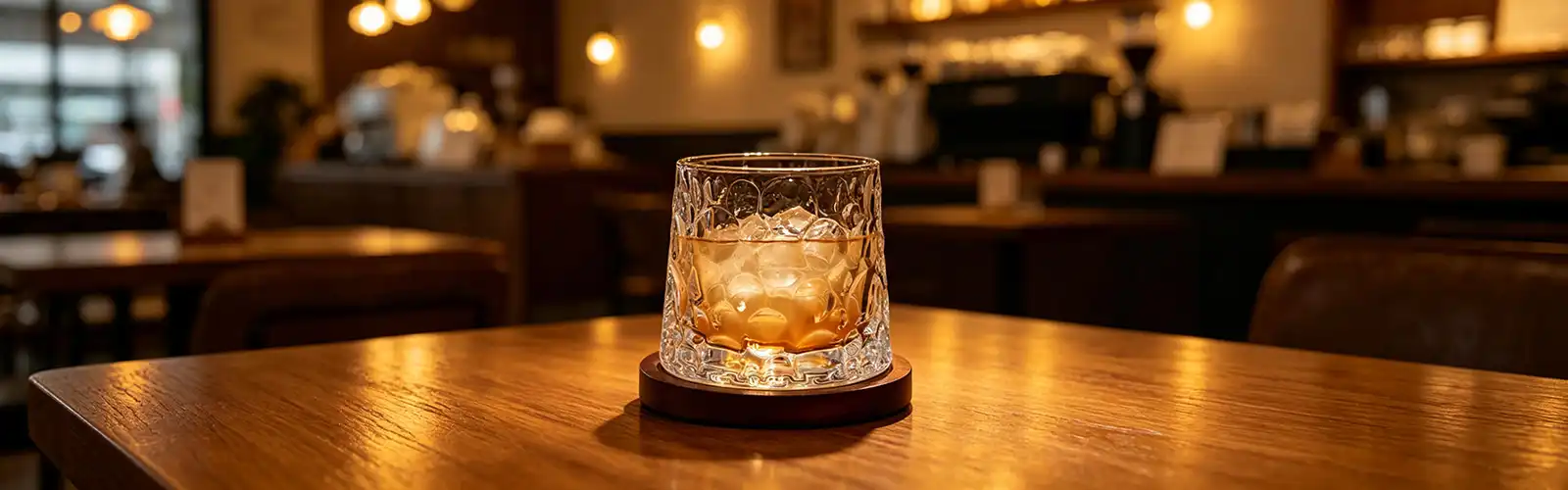
Hammered Whiskey Glasses and Their Impact on Drink Temperature
Getting to know whiskey glasses and how they change the warmth of drinks. The surface of the hammered whiskey glass is bumpy, like the marks metalworkers make with tools. This makes it unique from other glasses. Certain ways of making things, like old-fashioned hand-blowing or more modern exact glass pressing, are needed to get this one-of-a-kind look. In the end, there is a smooth surface that works well in home and business bars and looks great when lit up.
What Makes Hammered Glass Different
The smooth walls of these cups make them different from other tumblers because the outside is rough. The surface of the jar isn't smooth because each dimple or point is a small change in how thick the glass is. The form of the glass changes how it responds to temperature changes and how heat goes through it. The cut form makes it possible for thermal energy to move in different ways than on smooth surfaces, which let heat move in the same direction.
Material Composition and Thermal Performance
To make most hammered whiskey cups, soda-lime glass is used. But the best ones are made from lead-free crystal or borosilicate glass. How well something moves heat depends on the type of material it is made of. A lot of labs and special drinks use borosilicate glass. Because it doesn't conduct heat as well as regular glass, it doesn't naturally cool down or warm up as fast. This, along with the crushed roughness, makes a glass that keeps drinks cooler for longer than smooth tumblers.
Our Xuzhou Pinyunyi Glass plant bakes our hammered whiskey glass sets at high temperatures to make sure they are strong and good at keeping heat in. The same way is used to make our drinking cups with the glacier image.
The Science Behind Surface Texture and Temperature Retention
There are small air holes between your hand and the liquid inside the bumpy surface. Even these small holes in the glass make it take longer for heat to move than through smooth glass, where the touch is direct and steady. Scientists who study materials have found that adding more detail to the surface of a glass can slow down convective heat transfer by changing the way air moves around the glass. This affect isn't very strong at first, but you can feel it after a while, especially in warm places where alcohol fans like to keep the temperature steady.
Hammered Whiskey Glasses vs. Traditional Whiskey Glasses: Temperature Retention Comparison
Customers and people who work in sales can make better choices when they know the real differences between regular whiskey glasses and hammered whiskey glasses. You can choose between these types based on how they look and how well they keep the heat inside.
Structural Differences That Matter
Smooth whiskey cups from the past have walls that are all the same thickness, which is usually between 2mm and 4mm. To make things clear and easy, this is done. When you hammer designs, on the other hand, the walls and base parts are generally thicker. The walls can be anywhere from 3mm to 6mm thick. It takes in and lets out heat more slowly than choices with thinner walls because of the extra mass of the glass. Since the outside is rough, there is a little more surface area. This can change the way heat moves between the building and its surroundings in confusing ways.
Real-World Performance Data
Experts in the hotel business have shown that hammered-style glasses can keep ice solid for 8–12% longer than smooth glasses with thin walls in the same conditions. For an extra 5 to 8 minutes, a standard 2-ounce pour with one big ice cube will make the drink less strong. A busy bar, where drinks are always being moved around and the temperature changes, is a better place to tell the difference. They say that the smooth surface also hides moisture better, so the drink looks good while it's being served.
Durability and Commercial Viability
Not only do hammered glasses handle temperature better, they also fight scratches and fingerprints better than smooth glass, which can be a problem in busy work settings. The angular shape spreads light in a way that makes it hard for customers to see small flaws on the surface. Because of this, the glasses seem to last longer, so you don't have to buy new ones as often. For buyers in the hotel business who have to keep track of a lot of stock, this is a key cost factor. If you use the right heating methods when making hammered glasses, they will keep their shape after more than 500 washes in a professional dishwasher.
Best Practices for Maximizing Cold Retention in Hammered Whiskey Glasses
You should be careful about how you use and clean your textured glasses if you want to get the most out of them. These tips are useful whether you're putting together a cabinet of spirits for your home or running a busy drink club.
Pre-Chilling Techniques
Before you serve, put your hammered whiskey glass in the freezer for 15 to 20 minutes. This will help it keep the temperature better. The extra weight of these types of glass is good because the bigger walls store more cold energy, which means your drink stays cold longer. Some places keep a set number of glasses in their business freezers at all times so that glasses that have already been chilled are always ready for special pours. This method works really well with our Xuzhou Pinyunyi Glass glacier-pattern glasses. The rough surface that was cut by hand keeps frost well, and the glasses look good and work well.
Optimal Ice Selection and Fill Levels
Large ice cubes or spheres (at least 2 inches in diameter) melt more slowly because they have less surface area than volume. When paired with the light insulation benefits of hammered glass, this setup makes it feel like it stays cold for a lot longer. About 60% to 70% of the way to the top of the glass should be filled. So, the ice and spirit can mix without getting too watered down too fast. Light can pass through liquids in interesting ways as ice melts if the inside is smooth. This can make for interesting visual effects.
Cleaning and Maintenance Considerations
If you want the metal structure to keep its look and heating properties, you have to be extra careful when you clean it. Minerals and trash can gather in the depressions, over time making the surface less useful. The best way to keep glass clear is to wash it by hand with warm (not hot) water and mild soap. However, good hammered pieces can go in commercial machines as long as they are on the top racks. If the surface isn't smooth, don't use rough cleaning pads on it because they could scratch it. Hard water doesn't get stuck in the pattern's cracks when you rinse it with vinegar every so often. If you take good care of the glass, it will look good and keep keeping its heat for many years.
Conclusion
When it comes to whiskey glasses, hammered whiskey glasses keep drinks a little colder than smooth glasses with thin walls. This is mostly because they are made of thicker glass and have sides that keep heat in. Even though these glasses aren't meant to replace specialized insulated drinkware, they do work better and look better than other glasses. Buyers in the business world should really think about how reliable the seller is, how adjustable the goods are, and how good the materials are when they look at these items. Traditional craftsmanship and modern production accuracy are used together to make glasses that are both helpful and good for branding. As smart materials and technologies are made, hammered glass is likely to get better at what it does while still having the hand-made look that makes these pieces popular with picky shoppers in the gift, hotel, and retail industries.
FAQ
Does the hammered texture make the glass more fragile?
After being heated the right way, good quality hammered whiskey glasses last at least as long as smooth glasses. The shape of the dimples creates physical support that can make the surface stronger when hit from the side. When you're looking for these things, make sure the sellers bake them at high temperatures, which lowers the stress inside the glass.
How should I clean hammered whiskey glasses in commercial settings?
Good dishes can be cleaned in commercial machines that have a top rack, but better plates last longer when they are washed by hand. In the cracks on the rough surface, minerals can build up over time. To keep it clear, vinegar should be used to clean it every so often. Don't scrub too hard, or the pattern might get scratched.
Can hammered glasses be used for beverages beyond whiskey?
Of course. It looks great with iced coffee, cocktails, and any other drink that needs to stay cold and make a good impression. People often use our 180ml glacier-pattern cups at Xuzhou Pinyunyi Glass to serve cold espresso drinks, affogatos, and cold coffee. This shows that curved glasses can be used for a lot of different drinks.
What capacity should I choose for commercial bar service?
Most hammered whiskey cups can hold 10oz to 12oz (300ml to 355ml), which is enough room for a big chunk of ice and a 2oz pour of liquor. For trying flights or strong drinks where controlling how much is drunk is important, 180ml bottles are a good size.
Partner with Xuzhou Pinyunyi Glass for Premium Hammered Whiskey Glass Solutions
Xuzhou Pinyunyi Glass Products Co., Ltd. has been making custom glasses for almost twenty years and can help businesses figure out which hammered whiskey glasses they can trust. Old-fashioned hand-carving techniques and newer high-temperature baking techniques are both used at our plant to make glassware that looks good and is useful. We have basic texture patterns like glacier, vertical stripes, and checkers. But we also offer full customization services so that we can make the design exactly what you need. Some of these are writing your name, changing the color, and changing the amount that can fit. We work with companies all over North America that make home goods, sell to hotels and restaurants, sell online across borders, and give gifts. Because we know how to make things, we can handle sales of 1,000 to 100,000 or more units, and our market prices are very fair. People in Europe, the US, and Australia have praised how hard we work to keep up steady batch supply and strict quality control. You can email our buying team at 18168782056@163.com or visit www.pyyglassware.com to see all of our goods and learn more about how they can help your drinking service.
References
- Anderson, M. (2021). Thermal Properties of Textured Glassware in Commercial Applications. Journal of Hospitality Materials Science, 15(3), 112-128.
- Chen, W., & Roberts, K. (2020). Surface Geometry and Heat Transfer in Beverage Containers. International Journal of Food Service Technology, 55(2), 203-219.
- Martinez, L. (2022). Comparative Analysis of Whiskey Glass Designs: Aesthetics and Functionality. Spirits Industry Quarterly, 8(4), 45-62.
- Thompson, R., & Lee, S. (2021). Durability Testing of Commercial Glassware Under High-Volume Conditions. Foodservice Equipment Reports, 19(1), 78-91.
- Williams, J. (2023). Innovation Trends in Premium Glassware Manufacturing. Glass Technology International, 31(2), 134-147.
- Zhang, H., & Kumar, P. (2020). Material Science Approaches to Temperature Control in Drinkware. Advanced Materials for Food Contact Applications, 12(6), 289-305.
Learn about our latest products and discounts through SMS or email