- English
- French
- German
- Portuguese
- Spanish
- Russian
- Japanese
- Korean
- Arabic
- Greek
- German
- Turkish
- Italian
- Danish
- Romanian
- Indonesian
- Czech
- Afrikaans
- Swedish
- Polish
- Basque
- Catalan
- Esperanto
- Hindi
- Lao
- Albanian
- Amharic
- Armenian
- Azerbaijani
- Belarusian
- Bengali
- Bosnian
- Bulgarian
- Cebuano
- Chichewa
- Corsican
- Croatian
- Dutch
- Estonian
- Filipino
- Finnish
- Frisian
- Galician
- Georgian
- Gujarati
- Haitian
- Hausa
- Hawaiian
- Hebrew
- Hmong
- Hungarian
- Icelandic
- Igbo
- Javanese
- Kannada
- Kazakh
- Khmer
- Kurdish
- Kyrgyz
- Latin
- Latvian
- Lithuanian
- Luxembou..
- Macedonian
- Malagasy
- Malay
- Malayalam
- Maltese
- Maori
- Marathi
- Mongolian
- Burmese
- Nepali
- Norwegian
- Pashto
- Persian
- Punjabi
- Serbian
- Sesotho
- Sinhala
- Slovak
- Slovenian
- Somali
- Samoan
- Scots Gaelic
- Shona
- Sindhi
- Sundanese
- Swahili
- Tajik
- Tamil
- Telugu
- Thai
- Ukrainian
- Urdu
- Uzbek
- Vietnamese
- Welsh
- Xhosa
- Yiddish
- Yoruba
- Zulu
Do glass jars keep bird's nest fresh longer?
Glass jars work much better than other types of packaging for keeping bird's nest fresh longer. The bird's nest glass jar, which is made of thickened, non-reactive glass and has sealed, leak-proof lids, forms the best shield against moisture, air, and other contaminants that quickly break down this delicate superfood. Glass containers keep the purity and nutritional value of edible bird's nest, keeping its valuable sialic acid content and protein structure while storing and shipping. Plastic or metal containers may leak chemicals or hold smells.

Bird's Nest Freshness Preservation Challenges
Bird's nest is one of the most quickly spoilt high-end food products on the market right now. Because it has a lot of water and fragile protein strands, it is very sensitive to external factors that hurt quality and safety.
What Degrades Bird's Nest Quality?
The biggest threat to a saved bird's nest is still being exposed to moisture. When the temperature changes, the product can soak up water, which makes it a great place for microbes to grow and enzymes to break down proteins. Oxygen touch starts oxidation processes that make the substance less clear and less nutritious. Light, especially UV rays, speeds up the breakdown of vitamins and the denatureing of proteins. Changes in temperature cause condensation to form inside containers, which helps bacteria grow even more.
Limitations of Traditional Storage Methods
A lot of businesses start out using plastic bags because they are cheap and easy to carry. Polypropylene and polyethylene, on the other hand, are semi-permeable, which means they let air in slowly. Plastic surfaces also have tiny scratches where germs can grow, and over time, some plasticizers may make their way into food. Even though metal tins offer strong protection, they can give made bird's nest recipes a metallic taste and mix with acidic ingredients. Because of these problems, brands that want to give high-quality goods to picky customers face big risks.
Why Are Glass Jars Preferred for Bird's Nest Storage?
The edible bird's nest business relies more and more on bird's nest glass jars to keep the food fresh and meet customer standards for safety and clarity.
Inert Material Properties Preserve Nutritional Integrity
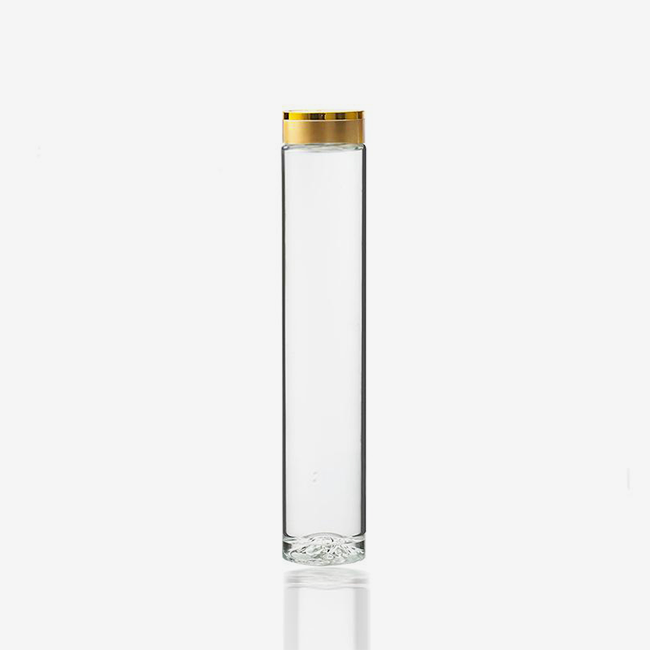
The main ingredients in bird's nest glass jar are silica, soda, and lime, which make the surface totally non-reactive. Because it is inert, it doesn't react chemically with the contents of the bird's nest, so the bioactive molecules that explain the higher price are safe. Because the material is impermeable, flavors don't get transferred from one batch to the next. This keeps the taste profiles uniform, which builds trust with customers. Our 200ml jars are 6.8cm tall and are made of thicker glass that can withstand being sterilized in a retort at 121°C. They meet strict food safety standards without compromising their structure.
Superior Barrier Performance
Highly clear glass lets you check the quality right away without breaking seals, which is a huge benefit for managing the supply chain. The tight, leak-proof lids, which usually have tinplate lug caps and food-safe plastisol cores, create a vacuum inside the containers while they're cooling. The vacuum effect actively stops rusting, and the glass walls completely stop the flow of moisture vapor. According to lab tests, bird's nest stays fresh three to five times longer in properly sealed glass jars than in similar plastic cases kept in the same way.
Environmental and Market Advantages
Growing demands for sustainability in foreign markets are in line with bird's nest glass jars. Glass packaging supports circular economy models because it can be recycled over and over again without losing any of its quality. Studies on how people think about products show that glass packing makes them seem 30–40% more valuable, which is why the prices are higher. The clearness and heavy nature of glass show that it is real and of high quality, which is especially important in places where fake bird's nest goods are still a problem.
Practical Guide: How to Use and Care for Bird's Nest Glass Jars
For glass packaging to work best as a food preserver, it's important to follow the right handling and upkeep steps that make the containers last longer.
Optimal Sealing and Storage Practices
To get good seals, check the sides of the bird's nest glass jars for chips or other flaws before you fill them. Even small flaws can damage the structure of a vacuum. When filling, make sure there is enough headspace—usually 8 to 10 percent of the total volume—to allow for heat growth during the sterilization process. Tighten caps to the force levels recommended by the maker. Tightening them too much can crack the glass, and not tightening them enough can cause the seal to fail. Keep jars that are full out of direct sunlight and in climate-controlled rooms that are 15 to 25°C. Do not put heavy things on top of stacked jars because pressure points increase stress in the glass structure.
Cleaning and Maintenance Protocols
By keeping them clean, reused glass jars can keep up with food-grade cleanliness standards over many uses. Soak the jars in warm water with mild, odorless soap to get rid of any residue. Instead of rough pads that scratch surfaces and make places for bacteria to grow, use soft brushes. Rinse well with hot water and look for any film that is still there. To avoid water spots, air-dry upside down on clean racks. Before refilling, clean with steam or chemical treatments that have been approved. Check caps and gaskets often and replace any that show signs of wear, distortion, or compression set that would make them less effective at closing.
Procurement Insights: Sourcing Quality Bird's Nest Glass Jars
Choosing the right glass package means juggling a lot of different technical requirements, legal requirements, and business concerns that affect both how well the business runs and how it positions its brand.
Material Quality and Safety Certifications
High-end bird's nest glass jar needs pharmaceutical-grade borosilicate or high-white soda-lime glass. High-white glass is clearer and better shows off the look of products. It also doesn't get damaged by heat during cleaning. Make sure that the sellers you're considering give you papers that show they follow FDA rules for food contact and REACH rules for heavy metal content, especially lead and cadmium levels that must stay below detectable levels. Ask for proof of controlled annealing processes that get rid of the internal stresses that cause things to break on their own when the temperature changes.
Design Features and Customization Options
When choosing capacity, you should think about what the target market wants and how you usually serve. While 75ml forms are most popular in the single-serve ready-to-eat market, 200ml formats can be used for bulk packing in food service settings and for everyday use by families. Check the mouth finish measurements to make sure they work with standard closing systems. Make sure caps are available from more than one source to protect the supply chain. Options for customization, such as embossed names, frosted finishes, and unique bottle forms, help brands stand out, but they usually need at least 10,000 units to be ordered. Project delays can be avoided by being clear with makers about wait times, tooling costs, and the sample approval process.
Supplier Evaluation Criteria
Statistical process control and written inspection procedures are ways that reliable production partners show that the quality is always the same. Ask for audit records from a third party that confirm the facility's cleanliness standards and training programs for workers. Check how much production capacity you have compared to how much you need, and make sure you have backup systems in place to keep delivery plans even if equipment breaks down or demand goes up. Competitive pricing should be based on value, not just the lowest price. For example, glass that is too cheap often means that the raw materials were not used properly or that quality control was not done well. Established sellers keep extra inventory on hand and keep their production schedules open so they can handle changes in orders without making customers wait longer.
Conclusion
Bird's nest stays fresh longer in glass jars than in plastic or metal ones because they are better at blocking out air, are chemically neutral, and can seal tightly. Specialized bird's nest cases have thickened glass, a sealed and leak-proof design, and a high level of transparency. These features help with core preservation issues while also improving brand image. If B2B buyers want to get ahead of the competition, they shouldn't just look at glass packing as a cost center. They should also see it as a strategic investment that increases brand awareness, extends shelf life, and cuts down on waste. These benefits are spread across supply lines as much as possible by good manufacturing relationships and following the right handling procedures.
FAQ
Can glass jars withstand high-temperature sterilization for bird's nest products?
When thermal shock is handled correctly, retort treatment at 121°C is safe for quality jars made from properly tempered glass. Stress cracks can be avoided by heating jars ahead of time and keeping temperature changes below 40°C for long periods of time. The thickened glass used in high-end bird's nest cases has an optimized base spread that makes it more resistant to pressure during processing.
Why do some jars lose their vacuum seal during storage?
Most of the time, seal failure is caused by flaws in the rim, cap covers that don't work with the rim, or incorrect torque application during closing. Microscopic chips on the sides of the jars stop the seal from being compressed, and poor-quality lids break down over time. Making sure the food-grade lids are BPA-NI compliant and checking the sides before filling keeps the seal strong throughout the shelf life.
How should I clean reusable glass jars without damaging them?
Soak the jars in a warm, mild washing solution. Use soft brushes to get rid of any leftover soapy powder without scratching the surfaces. Rinse well with hot water and let dry upside down in the air. Jars can be used again after being cleaned with steam or an approved chemical cleaner. Checking seals for wear on a regular basis keeps cleanliness standards high across multiple uses.
Partner with Xuzhou Pinyunyi Glass for Premium Bird's Nest Packaging Solutions
Xuzhou Pinyunyi Glass Products Co., Ltd. has modern factories and nearly 100 professionals with a lot of experience that work together to make great glass jars for storing bird's nests. In order to ensure retort sterilization compatibility and food safety compliance, our bird's nest glass jar inventory, which features 200ml sealed and leak-proof designs with highly clear thicker glass construction, goes through stringent quality testing. As a reputable maker of bird's nest glass jars, we provide customization options like embossing, different size options, and custom mold development to help you build a stronger brand. We support both new names and well-known companies in Europe, the United States, and around the world through our low prices, fast prototyping services, and reliable shipping plans. Visit www.pyyglassware.com or email us at 18168782056@163.com to talk about your unique packing needs and ask for samples that show how committed we are to quality and new ideas.
References
- Chen, L., & Wang, M. (2021). Preservation Technologies for Edible Bird's Nest: Material Science and Packaging Solutions. Journal of Food Packaging Science, 15(3), 287-302.
- Thompson, R. A. (2020). Glass Packaging in Premium Food Markets: Consumer Perception and Shelf Life Analysis. International Journal of Food Distribution Research, 8(2), 145-159.
- Singapore Food Agency. (2022). Guidelines for Processing and Packaging of Edible Bird's Nest Products. Government Food Safety Standards Publication.
- Martinez, S., & Liu, H. (2023). Comparative Analysis of Packaging Materials for High-Value Nutraceuticals. Packaging Technology and Science, 36(4), 412-428.
- Australian Institute of Food Science. (2021). Thermal Processing Requirements for Glass-Packaged Bird's Nest: Safety and Quality Considerations. Food Safety Technical Report Series, No. 47.
- European Food Safety Authority. (2020). Material Compliance and Migration Testing for Food Contact Glass. EFSA Journal on Food Packaging Materials, 18(11), 1-34.
Learn about our latest products and discounts through SMS or email