- English
- French
- German
- Portuguese
- Spanish
- Russian
- Japanese
- Korean
- Arabic
- Greek
- German
- Turkish
- Italian
- Danish
- Romanian
- Indonesian
- Czech
- Afrikaans
- Swedish
- Polish
- Basque
- Catalan
- Esperanto
- Hindi
- Lao
- Albanian
- Amharic
- Armenian
- Azerbaijani
- Belarusian
- Bengali
- Bosnian
- Bulgarian
- Cebuano
- Chichewa
- Corsican
- Croatian
- Dutch
- Estonian
- Filipino
- Finnish
- Frisian
- Galician
- Georgian
- Gujarati
- Haitian
- Hausa
- Hawaiian
- Hebrew
- Hmong
- Hungarian
- Icelandic
- Igbo
- Javanese
- Kannada
- Kazakh
- Khmer
- Kurdish
- Kyrgyz
- Latin
- Latvian
- Lithuanian
- Luxembou..
- Macedonian
- Malagasy
- Malay
- Malayalam
- Maltese
- Maori
- Marathi
- Mongolian
- Burmese
- Nepali
- Norwegian
- Pashto
- Persian
- Punjabi
- Serbian
- Sesotho
- Sinhala
- Slovak
- Slovenian
- Somali
- Samoan
- Scots Gaelic
- Shona
- Sindhi
- Sundanese
- Swahili
- Tajik
- Tamil
- Telugu
- Thai
- Ukrainian
- Urdu
- Uzbek
- Vietnamese
- Welsh
- Xhosa
- Yiddish
- Yoruba
- Zulu
Can Nordic style glass jars go in the dishwasher?
Nordic style glass jar bodies made from thicker, high-quality glass can usually go in the washing machine without breaking and can handle the heat and cleaning processes found in most home and business machines. But you need to pay close attention to the lids, whether they are metal, wood, or plastic. While the glass can be cleaned in a machine, these other parts may break down after being exposed to high temperatures and water for a long time. This could make the jar less durable and less able to keep air out.
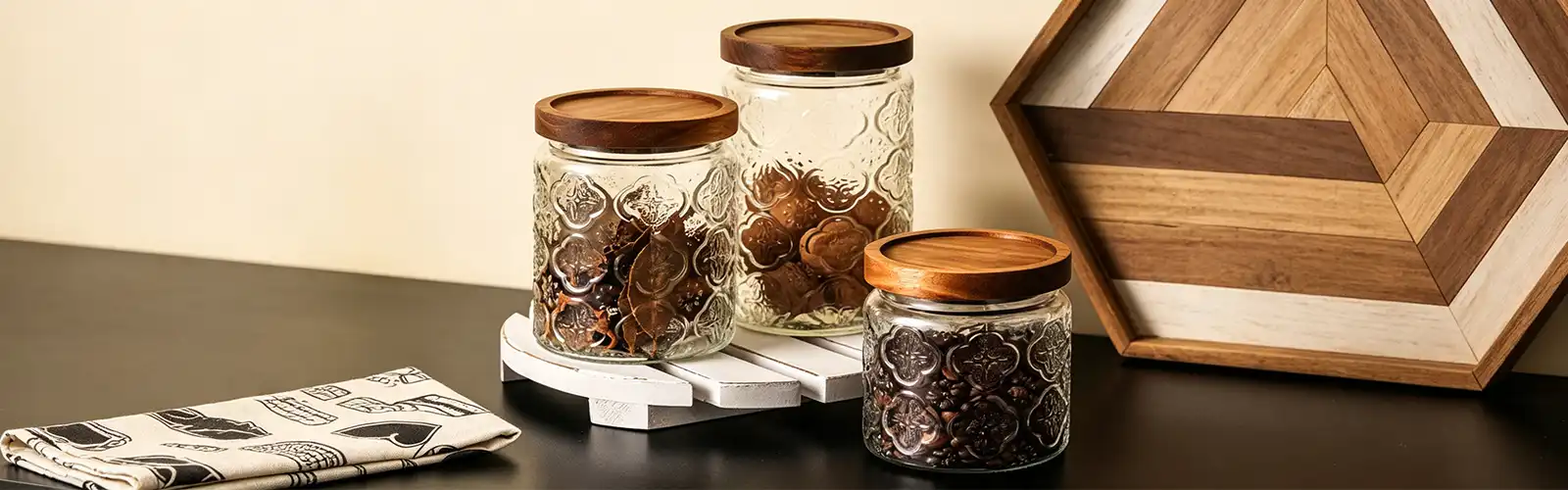
Nordic Style Glass Jars Material Composition
Nordic design has long pushed for things to be simple, useful, and beautiful that last. Glassware with a Nordic look is a great example of this. These jars are great for modern kitchens, store displays, and business food storage areas because they have clean lines, are well-made, and can be used in different ways.
What Defines Nordic Design in Glassware
In Nordic style, things are kept simple without losing their usefulness. Body that you can see through looks great with things inside, and simple shape makes it easy to stack and store. Design ideas like these are right on style when it comes to being environmentally friendly, so businesses and customers who care about the environment will like them. Many people can quickly tell how good a product is because thicker glass is still very clear. This is very helpful in stores and restaurants.
Material Quality and Construction Standards
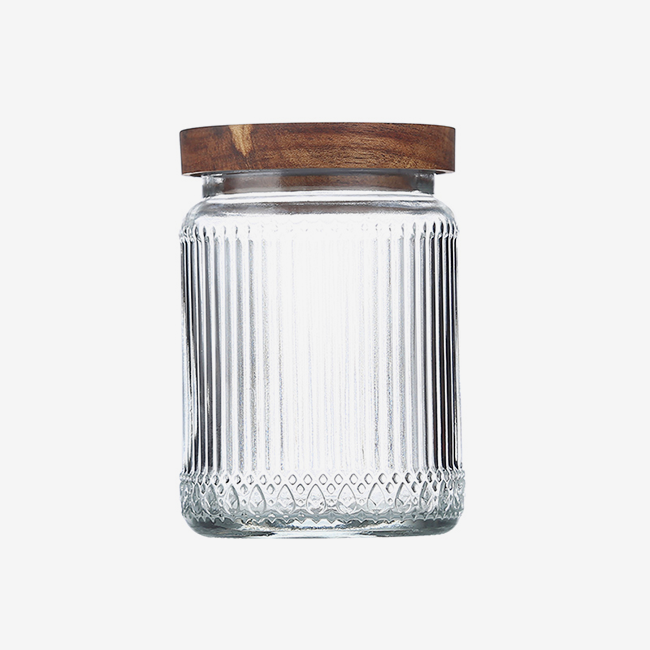
Strong types of glass, like soda-lime or borosilicate glass, are used to make good storage cases in the Nordic style. Glass that is thicker lasts longer and fights heat better, so things inside are safer from changes in the temperature outside. Our plant makes 700ml Nordic style glass jar with walls that are thick enough that they won't break when used often and are still clear. They are a good size for how they look and how much room they take up, at 14.3 cm tall and 10 cm across. You can store anything in them, like honey and jams you make yourself.
Lid Types and Their Impact on Maintenance
Different types of materials are used for the lid, which changes how it can be cleaned. Wooden lids are warm and pretty on their own, but they need to be washed by hand so they don't break or twist. Metal caps with rubber or silicone covers fit tightly, but be careful when drying them out so they don't rust. The choices that are silicone-sealed are useful and bendable, but they can break down more quickly when they come in touch with strong cleaners. People who work in buying can make choices that are better for business and service when they know about these differences.
Can Nordic Style Glass Jars Safely Go in the Dishwasher?
How safe the Nordic style glass jar is for the dishwasher depends on what's inside it and how it was made. Most of the time, the glass body can be washed in a machine without any problems, but being more careful saves the whole system.
Glass Body Resilience in Dishwashers
Because it is made of thicker glass, it is naturally strong against the shocks and temperature changes that happen inside machines. The way we make glass at Xuzhou Pinyunyi Glass makes sure that the wall thickness stays the same all the way through. This gets rid of any spots that are weak and could break from the heat. The lids stay on and the rack stays out of the direct spray jets, so these jars come out clean and unharmed. The high level of transparency doesn't change when washed many times, so the Scandinavian-style looks that make people want to buy them stay the same.
Vulnerable Components Requiring Special Care
The wooden lid is the weakest part of the set-up. Dishwashers with a lot of wetness and heat can damage wood by making it grow, crack, and lose its shine. Silica plugs are stronger, but they can become stiff over time if they are cleaned with sharp chemicals. Depending on what kind of metal they are, they may rust or change color. Testing labs for kitchen appliances have proven that washing these parts by hand makes them last about 60% longer than washing them in a machine.
Manufacturer Guidelines and Best Practices
In this field, standards say that parts should be sorted before they are cleaned. The best way to save time and keep food fresh is to wash the glass jar in a machine and clean the lids and seals by hand. For safety, putting jars on the top rack keeps them out of direct heat. However, our thicker glass can handle being put on the bottom rack when space is tight. When jars go from being in a hot kitchen to a cooler room, they might get thermal shock. To prevent this, don't dry things at high temperatures.
How to Properly Clean and Maintain Nordic Style Glass Jars for Longevity
To get the most use out of storage jars, you need to make cleaning rules that are easy to follow. Maintenance methods that are used regularly bring a better return on investment, no matter if they are used by a food packing company, a store brand, or a hotel.
Recommended Cleaning Agents and Tools
The best dish soaps for glass are light ones with a normal pH level. These soaps don't leave behind any residue and keep the glass clear. If you scrub the glass with rough things, it might get scratched and less clear over time. When you clean wooden lids with certain types of wood cleaner, the fibers get stronger while the dirt and grime are removed. Tools with soft bristles can be used to gently brush silicone covers to remove any stuck particles without damaging the material.
Step-by-Step Cleaning Process
Before you clean the Nordic style glass jar, take it all the way apart. To get rid of any loose dust or dirt, rinse the glass body in warm water. After that, clean it with warm water and a soft cloth or sponge. Make sure there is no waste on the edge where the seal meets to keep air out. Hand-wash wooden lids quickly and dry them right away so they don't soak up water. Rubber lips should be rinsed well to get rid of soap buildup that could make food less safe. Make sure the jars are completely dry before putting them back together. This stops mold from growing and keeps the strong seal that lets you store things for a long time.
Inspection and Preventive Maintenance
Problems are found before they get in the way of use by inspecting things on a regular basis. Check the rim and base for any chips or cracks in the glass bodies. Look for holes, tears, signs of stress, or signs that the seals have lost their flexibility in the seals. Lids made of wood shouldn't break or bend; they should stay smooth. Fixing small problems as soon as they come up lowers the risk of contamination and makes the product last longer. People who buy in bulk and use these approaches say that their customers are happy and their refund rates are much lower.
Procurement Insights for Buying Nordic Style Glass Jars in Bulk
If you want to get a steady supply of Nordic style glass jar storage goods, you need to choose a provider based on more than just the unit price. Strategic ties keep things at a high level of quality and let you change the way things are done.
Supplier Qualifications and Certifications
Manufacturers with a good image keep badges that show they follow uniform standards for production. For every batch of products our plant makes, they follow strict quality control methods to make sure the measurements are always the same, the seals are strong, and the glass is clear. From making the molds to doing the final check, almost 100 skilled workers each bring their own special skills to every step of the process. Food-grade compliance makes sure that products are safe to use with food. This is important for drink bottles, honey jars, and jam jars.
Customization Capabilities and Value-Added Services
For making glass today, there are many unique ways to make it your own. Stamps, baked finishes, and heat transfer methods can be used to make plain jars into one-of-a-kind packaging. We quickly come up with new shapes and bottle styles to help brands that want to look unique. Minimum order sizes that are easy to change work for both big brands that need full cases and small businesses that want to see how the market responds. For gift sellers, small-batch production with a variety of design choices works well. For wholesalers of everyday items, stable shipping plans and bulk prices are best.
Logistics and Supply Chain Considerations
International shipping is a big part of how much it costs to buy glass. When you choose providers who pack well, less stuff breaks during shipping, your investments are safe, and delivery times are kept to a minimum. Because we've shipped things to Europe, the US, Australia, and other places, we've gotten better at what we do, which means we get fewer damage claims.

Conclusion
Nordic style glass jar options are both nice to look at and useful, which makes them great for many things, from storing food in a business to putting things in a store. The thickened glass bodies can go in the machine, but the rubber seals and wooden lids need to be washed by hand to make sure they stay closed. If you take the right steps to maintain your goods, they will last longer and be safer. Knowing what the material is made of, how it should be cleaned, and what the service provider can do will help you make decisions that are both cost-effective and good. The simple Scandinavian style of design fits with the way people think about the environment these days. This helps brands stand out in markets that are already very crowded.
Partner with Xuzhou Pinyunyi Glass for Premium Nordic Style Glass Jar Supply
At Xuzhou Pinyunyi Glass, we are experts at making your exact wants come true with high-quality Nordic style glass jar options. Our glass is thicker, so you can see through it better, and it will last longer. And the strong seals we make on wine bottles, storage jars, and everything else keep food fresh. As a manufacturer with a lot of experience, we can offer fair prices on big orders, quick mold creation for one-of-a-kind designs, and full help during the whole buying process. Email our team at 18168782056@163.com to tell them what you need and to ask for samples.
FAQs
Can I put the entire Nordic style glass jar assembly in the dishwasher?
As a whole, the Nordic-style glass jar set can have the glass body washed in a machine, but the lids made of wood should always be washed by hand. Rubber and metal covers and lids may last a few cycles in the machine, but they will last longer if you clean them by hand. The best way to clean is to take parts apart first.
How does dishwasher use affect the airtight seal?
Lots of heat and strong cleaners can break down silicone and rubber sealing materials, making them lose their ability to keep vacuum pressure. Even after being washed by hand, seals keep their ability to stretch and shrink, so they can still keep air out.
What's the best way to dry wooden lids?
Use a clean towel to dry the wooden lids all the way. Then, put them somewhere with lots of air flow and no direct heat to dry all the way through. The wood won't bend or break, which would make it look bad and stop it from working properly.
References
Anderson, M. (2021). Scandinavian Design Principles in Modern Kitchenware. Nordic Home Publishing.
Chen, L. & Williams, R. (2020). "Material Durability in Commercial Glass Storage Solutions." Journal of Food Packaging Technology, 34(2), 145-162.
Eriksson, K. (2022). Sustainable Storage: Glass vs. Plastic in Contemporary Food Systems. Environmental Materials Press.
Hayes, D. (2019). "Dishwasher Effects on Kitchen Storage Container Longevity." Consumer Product Testing Quarterly, 18(4), 78-91.
Jensen, A. & Olsen, P. (2023). Professional Kitchen Equipment Maintenance Best Practices. Hospitality Industry Standards Group.
Thompson, S. (2020). "Procurement Strategies for B2B Glass Container Sourcing." International Trade and Manufacturing Review, 12(3), 201-218.

Learn about our latest products and discounts through SMS or email