- English
- French
- German
- Portuguese
- Spanish
- Russian
- Japanese
- Korean
- Arabic
- Greek
- German
- Turkish
- Italian
- Danish
- Romanian
- Indonesian
- Czech
- Afrikaans
- Swedish
- Polish
- Basque
- Catalan
- Esperanto
- Hindi
- Lao
- Albanian
- Amharic
- Armenian
- Azerbaijani
- Belarusian
- Bengali
- Bosnian
- Bulgarian
- Cebuano
- Chichewa
- Corsican
- Croatian
- Dutch
- Estonian
- Filipino
- Finnish
- Frisian
- Galician
- Georgian
- Gujarati
- Haitian
- Hausa
- Hawaiian
- Hebrew
- Hmong
- Hungarian
- Icelandic
- Igbo
- Javanese
- Kannada
- Kazakh
- Khmer
- Kurdish
- Kyrgyz
- Latin
- Latvian
- Lithuanian
- Luxembou..
- Macedonian
- Malagasy
- Malay
- Malayalam
- Maltese
- Maori
- Marathi
- Mongolian
- Burmese
- Nepali
- Norwegian
- Pashto
- Persian
- Punjabi
- Serbian
- Sesotho
- Sinhala
- Slovak
- Slovenian
- Somali
- Samoan
- Scots Gaelic
- Shona
- Sindhi
- Sundanese
- Swahili
- Tajik
- Tamil
- Telugu
- Thai
- Ukrainian
- Urdu
- Uzbek
- Vietnamese
- Welsh
- Xhosa
- Yiddish
- Yoruba
- Zulu
Are glass jars with fabric lids airtight enough for grains?
Your specific preserving objectives will determine whether a glass jar with cloth lid for multi-grain storage is adequate for storing multiple grains. These cute storage options offer average protection and are good for short to medium term storage, usually two to four weeks, as long as the grains are kept in cool, dry places. The cloth lid makes a divider that lets some air pass through but keeps the contents safe from dust and direct sunlight. But cloth lids don't make a hermetic seal that completely stops moisture and oxygen like rubber-gasketed or metal screw-top lids do. Because of this, they are perfect for storing grains that are used often in homes or small-batch craft settings, but not for long-term bulk storage that needs to be completely airtight.

Airtightness Challenge of Glass Jars with Fabric Lids
Airtightness is the most important thing for keeping grain fresh. This word is used in professional food storage to describe a container's ability to keep air, moisture, and other contaminants from getting inside while keeping its contents stable and fresh. The connection between cloth closures and glass jar with cloth lid for multi-grain storage units is an interesting one that should be looked at in more detail.
The Science Behind Grain Storage Requirements
There are still three main things that can damage grains: water getting in, air getting in, and pests getting in. Studies from institutions that study food science show that grains kept at moisture levels above 14% quickly go bad because mold grows and bugs start to work on them. Changes in temperature make these risks worse by causing condensation to form inside objects that aren't covered properly. When you store things professionally, you need to pay attention to these environmental factors, which affect whether glass jar with cloth lid for multi-grain storage options meet operating standards.
How Fabric Lids Compare to Traditional Sealing Methods
Usually, rubber gaskets, silicone seals, or metal screw threads that press against the edges of glass to make walls that don't let air through are used for secure storage. This level of seal security can't be reached with fabric lids, which are usually held on with elastic bands or drawstrings. Microporous air can naturally pass through weaved textiles, making them breathable, which can be good or bad based on the application. Borosilicate glass jar with cloth lid for multi-grain storage options with vintage flower cloth lids are a good example of this type of jar because they are clear and look nice, but they focus on looks along with storage rather than preserving everything as much as possible.
Evaluating Permeability and Sealing Mechanisms
Permeability of fabric changes a lot depending on the weave density, fiber type, and treatment. Fabrics like natural cotton and linen that are often used in these situations have air exchange rates that can be measured. People who work in procurement should know that cloth lids keep items safe from dust, bugs, and light contamination, but they also let moisture slowly adjust to room temperature. Some makers get around this problem by putting plastic or silicone shells inside the decorative cloth covers. This makes the glass jar with cloth lid for multi-grain storage much more airtight without taking away from their good looks.
Practical Use Cases & Best Practices for Multi-Grain Storage in Glass Jars with Cloth Lids
Understanding the right uses for these storage options helps you get the most out of them. Some types of grain and ways of using them work great with glass jar with cloth lid for multi-grain storage containers, while others need stronger closing technology.
Optimal Grain Types and Storage Durations
When change rates stay high, foods that don't need much water, like quinoa, millet, rice, and wheat berries, do well in these containers. Because air can turn oily foods like flaxseed and sunflower seeds rancid, you need to be more careful with them. Chinese medical herbs and dried fruits are often kept in clear glass jar with cloth lid for multi-grain storage units with pretty fabric lids. This lets a little air flow through, which keeps the herbs and fruits' pleasant qualities. The old tea glass jar with flower cloth from companies like Xuzhou Pinyunyi Glass shows how food-grade borosilicate glass construction is chemically inert and thermally stable, so it can handle both high and low temperatures and acid and alkali.
Pre-Storage Preparation Protocols
The best way to store grains is before they even get put in packages. Clean and dry all the grains well to get rid of field dirt and extra water. If the grains have been in the fridge, let them come to room temperature. This will keep condensation from forming inside the glass jar with cloth lid for multi-grain storage. Clean glass cases with hot water and let them dry completely before filling them, because mold grows in damp places. These steps make keeping much longer lasting, no matter what kind of lid is used.
Enhancement Techniques for Improved Freshness
Smart users add extra safety to make up for the fact that a glass jar with cloth lid for multi-grain storage lets water through. Putting food-grade plastic wrap directly on top of the grain areas before securing the fabric covering makes a second barrier against wetness while keeping the outside looking nice. Alternatively, you can improve sealing without using different containers by putting silicone disc covers between the mouth of the jar and the fabric covering. Controlling the environment is also important. Keeping jars in cupboards with steady temperatures between 50°F and 70°F and relative humidity below 60% greatly lowers the chances that they will go bad. Checking once a month for bad smells, changes in color, or excess wetness makes it possible to act quickly before the food goes bad.
Sourcing Glass Jars with Fabric Lids for Multi-Grain Storage
When you do strategic sourcing, you have to find a balance between quality standards, the ability to customize, the trustworthiness of the provider, and the lowest cost. When choosing a glass jar with cloth lid for multi-grain storage seller, people who work in procurement should have clear criteria that are in line with their business objectives.
Critical Specification Considerations
The size of a container has a big effect on how it can be used in different business models. Wholesalers of household goods usually need 300ml to 1000ml sizes to fit the amounts that most people buy, while food packaging businesses may need bigger sizes. The makeup of borosilicate glass is important—this material's better resistance to thermal shock and chemical wear makes it worth a small price premium over soda-lime options. Fabric quality directly impacts how long the glass jar with cloth lid for multi-grain storage lasts and how well it holds up after being washed.
Supplier Evaluation Framework
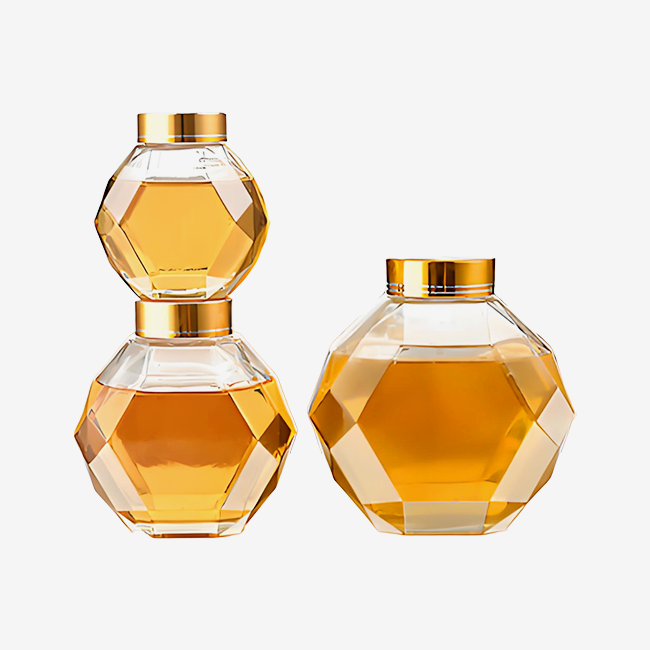
Manufacturers you can trust show their quality by getting certifications like ISO quality control systems and FDA compliance for materials that come into touch with food. As an example of a glass jar with cloth lid for multi-grain storage company with well-equipped production facilities and nearly 100 experienced workers who understand both technical needs and design looks, Xuzhou Pinyunyi Glass Products Co., Ltd. Their skills include making makeup containers, perfume vessels, honey jars, and borosilicate drinkware, among other types of glass bottles and jars. Modern processing methods, such as stickers, baking, painting, and heat transfer, make it possible to customize products in complex ways that improve their appearance.
Cost Optimization Through Strategic Purchasing
Ordering in bulk saves a lot of money per unit, but you have to be very good at predicting demand to meet the minimum order amounts for a glass jar with cloth lid for multi-grain storage. Manufacturers usually offer tiers of prices, with discounts at 1,000, 5,000, and 10,000 units. Keeping track of lead times is very important; normal designs ship in two to three weeks, but custom cast development takes an extra four to six weeks. Building ties with suppliers who are skilled in export logistics makes paperwork easier, cuts down on shipping mistakes, and makes sure that rules at the target market are followed.
Conclusion
A glass jar with cloth lid for multi-grain storage is a useful type of storage container because it looks nice, is good for the environment, and keeps things safe enough for certain uses. These containers are great for storing safe grains for a short to medium amount of time, especially when they look good and are made of eco-friendly materials that match the brand's image. To be successful, you need to make sure that the features of the container fit the needs of the operation. This means knowing the pros and cons of breathability, following the right steps for preparation, and keeping the right environmental conditions.
Partner with Xuzhou Pinyunyi Glass for Your Storage Container Needs
For multi-grain storage options that strike a mix between practicality and aesthetic appeal, Xuzhou Pinyunyi Glass specializes in producing high-quality glass jar with cloth lid for multi-grain storage. Customers in Europe, the United States, Australia, South Korea, and other places have praised our antique tea glass jars with floral fabric caps for their skill and attention to detail. We have modern production facilities and almost 100 trained workers. We make sure the quality is uniform by testing everything carefully, from design to assembly. Our food-grade borosilicate glass construction protects against acids and bases and keeps the glass stable at high temperatures. You can email us at 18168782056@163.com or visit our website at www.pyyglassware.com to talk about how our clear storage jars can help your products.
FAQ
What grain types work best in fabric-lidded glass containers?
When kept correctly, low-moisture, stable grains like rice, quinoa, millet, and wheat berries work great in these cases. Also, dried beans like chickpeas and lentils keep their quality well. Oily seeds, like flaxseed, need to be handled with more care because oxygen can make them go bad. This is why they should be kept in the fridge or in a completely airtight container. Chinese medicine herbs and dried fruits benefit from a small airiness that keeps wetness from building up and keeps aromatic compounds intact. No matter the type of glass jar with cloth lid for multi-grain storage, always make sure that grains are completely dry before storing them.
How can I improve the airtightness of fabric lid jars?
Several improvement methods make sealing much more effective for a glass jar with cloth lid for multi-grain storage. Before closing the cloth lid, put food-grade plastic wrap directly on the grain surface to make an extra barrier against moisture. Put silicone disc covers between the rim of the jar and the fabric covering to stop air from escaping while keeping the jar's nice look. Keep jars in places where the temperature stays stable and the humidity is low. Some users put the cloth lid on top of a regular metal screw cap, which gives the package more style and functionality.
How long can grains stay fresh in these containers?
Most stable grains stay fresh for two to four weeks in a glass jar with cloth lid for multi-grain storage when they are kept in cool, dry places with stable temperatures between 50°F and 70°F and humidity below 60%. This time range is great for high-turnover household use. There is a greater chance of quality loss after one month, but the real shelf life depends on the type of grain and the starting moisture content. Rubber-gasketed glass jars or vacuum-sealed options should be used for long-term keeping of goods. By checking every two weeks, you can find any moisture buildup or bad smells that mean the food is going bad early.
References
- Smith, J. R., & Thompson, M. A. (2021). Food Storage Technology: Materials Science and Preservation Methods. Academic Food Science Press.
- Chen, L., & Rodriguez, P. (2020). "Comparative Analysis of Glass Container Performance in Dry Goods Storage." Journal of Food Packaging Technology, 34(2), 145-162.
- Williams, K. D. (2022). Sustainable Packaging Solutions for Artisan Food Products. Green Commerce Publishing.
- National Grain Storage Institute. (2019). Best Practices for Small-Batch Grain Preservation. Agricultural Research Documentation Series.
- Martinez, S., & Patel, R. (2023). "Breathability versus Airtightness: Optimizing Storage Conditions for Diverse Grain Types." International Food Storage Review, 18(4), 78-95.
- European Food Safety Materials Consortium. (2020). Glass Container Standards for Food Contact Applications. Technical Standards Publication.
Learn about our latest products and discounts through SMS or email