- English
- French
- German
- Portuguese
- Spanish
- Russian
- Japanese
- Korean
- Arabic
- Greek
- German
- Turkish
- Italian
- Danish
- Romanian
- Indonesian
- Czech
- Afrikaans
- Swedish
- Polish
- Basque
- Catalan
- Esperanto
- Hindi
- Lao
- Albanian
- Amharic
- Armenian
- Azerbaijani
- Belarusian
- Bengali
- Bosnian
- Bulgarian
- Cebuano
- Chichewa
- Corsican
- Croatian
- Dutch
- Estonian
- Filipino
- Finnish
- Frisian
- Galician
- Georgian
- Gujarati
- Haitian
- Hausa
- Hawaiian
- Hebrew
- Hmong
- Hungarian
- Icelandic
- Igbo
- Javanese
- Kannada
- Kazakh
- Khmer
- Kurdish
- Kyrgyz
- Latin
- Latvian
- Lithuanian
- Luxembou..
- Macedonian
- Malagasy
- Malay
- Malayalam
- Maltese
- Maori
- Marathi
- Mongolian
- Burmese
- Nepali
- Norwegian
- Pashto
- Persian
- Punjabi
- Serbian
- Sesotho
- Sinhala
- Slovak
- Slovenian
- Somali
- Samoan
- Scots Gaelic
- Shona
- Sindhi
- Sundanese
- Swahili
- Tajik
- Tamil
- Telugu
- Thai
- Ukrainian
- Urdu
- Uzbek
- Vietnamese
- Welsh
- Xhosa
- Yiddish
- Yoruba
- Zulu
Are clip-on glass jars dishwasher-safe?
The majority of clip-on glass jars can be safely washed in the machine, but they need to be handled carefully. If the body is made of borosilicate or high-density soda-lime glass, it can handle the heat from the machine well. But you need to pay attention to the metal clips and silicone gaskets. Stainless steel clips can usually handle being washed in the machine, but galvanized wire bails may rust over time. Taking covers off before cleaning them makes them last a lot longer. Knowing about these differences in materials helps you keep airtight seals and stops premature wear, so your investment in clip-on glass jars will last for a long time in tough commercial settings.send inquiry

Clip-On Glass Jars and Their Dishwasher Compatibility
What Makes Clip-On Glass Jars Different
Clip-on glass jars, which are also known as mechanical-seal or Fido-style containers, have wire-bail arms and elastomer covers that can be replaced to make airtight seals. When compared to threaded lid systems, these jars put constant, even pressure on the whole lid surface. This design works well for keeping food fresh, fermenting substances, and storing dangerous chemicals where airtightness is very important. Chemical inertness and non-porous surfaces that stop flavor transfer are important benefits of the glass construction for businesses that handle multiple product lines at once.
Material Composition and Heat Resistance
These storage containers can handle temperatures between 40°C and 60°C Delta T, which means they can be used in most home and business dishwashers. When it comes to thermal performance, borosilicate glass versions are better than regular soda-lime glass. They can handle sudden changes in temperature without cracking. Grade 304 stainless steel wire bails are very strong and don't rust. They also have good tensile strength, so the closure mechanisms stay in place even after many washing cycles. Silicone gaskets can withstand temperatures up to 200°C, but harsh detergents over time make them less flexible.
Industry Standards for Dishwasher Safety
These containers meet the safety standards for food contact set by FDA 21 CFR 177.2600 and EU 1935/2004. When manufacturers follow these standards, they use BPA-free materials throughout the whole building process. This addresses health concerns for food packaging uses. Testing procedures check the mechanical strength under vertical pressure to make sure lids stay in place while being moved and stored after being cleaned in the dishwasher. When procurement teams know about these certifications, they can check what suppliers say and choose products that meet regulatory needs for food-grade, cosmetic, and pharmaceutical uses.
Best Practices for Cleaning Clip-On Glass Jars in a Dishwasher
Preparation Before Washing
Taking apart parts before washing them greatly increases the product's lifespan. Take off the wire-bail clips and silicone gaskets from the glass bodies to keep the gaskets from deforming and the clips from turning a different color when heated. Before loading, run water over any leftovers that you can see to keep food from baking onto the surfaces during high-heat processes. Check the gaskets for permanent tears or compression set. Seals that are damaged won't keep air out and should be replaced instead of being put through more thermal stress.
Optimal Dishwasher Settings
By choosing the right wash cycles, you can protect both the clip-on glass jar. Temperature settings in the middle, between 50°C and 60°C, are good for cleaning and preserving materials at the same time. Placing jars safely on the upper racks lowers the risk of damage from moving spray arms and keeps them from coming into contact with the heating elements as much as possible. Leaving enough space between containers lets water flow through them completely and keeps glass from touching glass, which could cause chips or cracks during the wash.
Post-Cleaning Maintenance
Drying completely stops water spots and mineral buildups that hurt the seal's look and function. Towel-drying metal clips right after cycles gets rid of wetness before rusting starts. This is especially important for hardware that is galvanized. Checking gaskets for loss of flexibility helps find parts that need to be replaced before the seal breaks during storage. When putting clips on still-warm glass bodies, thermal stress can be avoided by letting all the parts cool down to room temperature before putting them back together.
Procurement Considerations for Dishwasher-Safe Clip-On Glass Jars
Evaluating Supplier Specifications
Manufacturers' claims that dishwashers are safe can be checked by asking for detailed material specifications and test reports. The documentation should list the exact types of glass, clip metals, and gasket materials, along with the temperature ranges for each. Thermal shock resistance data confirms that the dishwasher will work as expected, and rust resistance testing proves that the parts will last. Suppliers who provide detailed technical paperwork show that they have the engineering rigor and quality control systems needed to make sure that large orders are consistently produced.
Certification and Checking for Compliance
Making sure that products have food-grade certifications makes sure that they meet the rules for the uses they were made for. FDA compliance paperwork makes sure the product is safe for the U.S. market, and EU certifications make sure it can be sold in other countries. For pharmaceutical and cosmetic uses, there may need to be extra rules about cleaning and tests. Getting copies of the certifications directly from the suppliers stops problems with misrepresentation and gives you proof for customer assurance programs or government inspections.
Bulk Purchasing Advantages
Ordering in bulk saves a lot of money per unit and makes sure that all of your large inventories have the same product specifications. Building partnerships with companies that make full-unit line machine methods for clip-on glass jars ensures that production capacity will meet ongoing needs. Long-term repair plans are helped by negotiating the supply of extra parts, especially new gaskets and clips. Standardizing containers across product lines makes it easier to keep track of supplies and get savings on compatible parts when you buy in bulk.
Conclusion
Clip-on glass jars can be cleaned in the dishwasher as long as the user knows how to handle the material and follows the care instructions. Using long-lasting glass, stainless steel clips that won't rust, and high-temperature silicone gaskets together makes systems that can handle being used in commercial dishwashers. Properly taking apart parts, using the right wash settings, and regular maintenance will make it last longer and keep it working well. When you look at different kinds of jars side by side, you can see that mechanical-seal designs are better at keeping the results the same over and over again. To find cost-effective, legal container options for a wide range of uses, procurement professionals should carefully look over seller specs, confirm certifications, and take advantage of bulk buying benefits.
FAQ
Can all clip-on glass jars handle commercial dishwasher temperatures?
Dishwasher compatibility varies on the type of material used and how well it was built. Jars made of borosilicate glass can handle more heat stress than bottles made of soda-lime glass. Commercial detergents that are very harsh can damage stainless steel clips, but galvanized hardware needs to be treated more gently. Always check the manufacturer's specs and test reports to make sure the parts are resistant to thermal shock and will last under normal use. Manufacturers of good products back up their claims that their dishwashers are safe for business use with a lot of paperwork.
How often should gaskets and clips be replaced?
How often something needs to be replaced depends on how often it is used and how it is cleaned. Gaskets should be checked once a month and replaced every three to six months in places where jars are washed every day. Less regular use stretches the time between replacements, but replacing the seal once a year is recommended for best performance. When made of stainless steel, metal clips don't need to be replaced very often, but they should be checked for corrosion and wear and tear. Keeping extra parts on hand keeps operations running smoothly when wear and tear means replacements need to be made right away.
Do dishwasher-safe options meet food-grade and pharmaceutical certifications?
Clip-on glass jars are made by high-quality manufacturers and meet strict safety standards in all fields. Products that meet FDA 21 CFR 177.2600 can be used in all areas of the United States where food is present. EU 1935/2004 approval meets the needs of the European market. Applications for pharmaceuticals may need more confirmation paperwork. Reliable sellers offer full certification packages that work with a variety of regulatory settings. This lets procurement teams safely choose the right goods for the jobs they need to do.
Partner with Xuzhou Pinyunyi Glass for Premium Clip-On Glass Jar Solutions
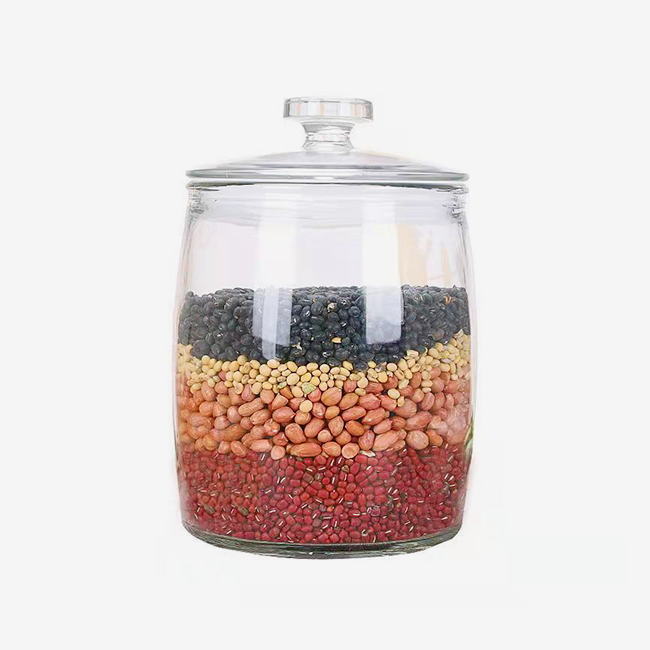
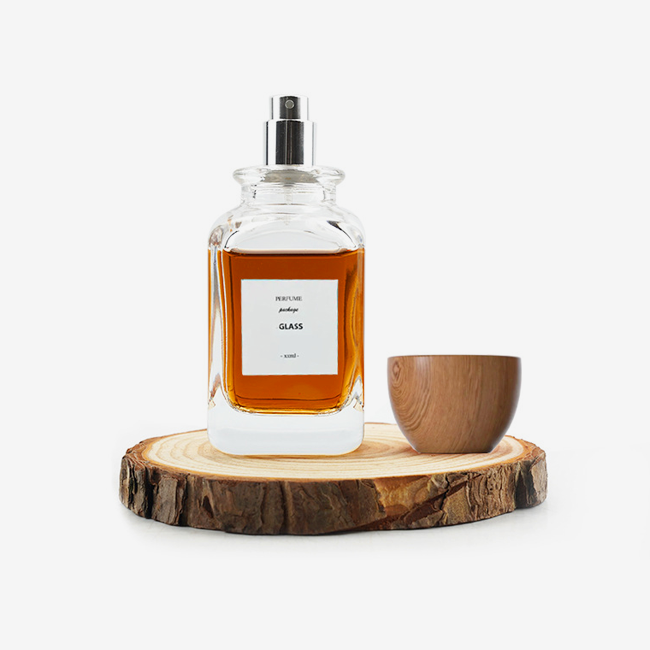
Xuzhou Pinyunyi Glass Products Co., Ltd. is an expert at making large, moisture-proof clip-on glass jars for tough commercial uses. Full-unit line machine production lets us make sure that the quality of our jars is the same for all bulk orders. We make clear jars for storing grains at home that meet international food-grade standards. We have almost 100 skilled workers and modern processing tools, such as logo application, baking, and heat transfer technologies. Our wide range of products includes perfume bottles, cosmetic bottles, and designs that can be changed to fit the needs of a wide range of industries, from food packaging to pharmaceutical uses.
We know that procurement managers need clip-on glass jar providers they can trust to offer reasonable prices without lowering quality. Our factory offers full OEM customization, quick mold development, and all the necessary support services, such as caps and seals that work with our products. Our commitment to meeting quality standards around the world is shown by the products we send to Europe, the United States, Australia, and other places. Email our team at 18168782056@163.com to talk about your unique needs, ask for samples, or learn more about the benefits of buying in bulk. Visit www.pyyglassware.com to see our full selection of commercially successful storage solutions that can be cleaned in the dishwasher.

References
- Smith, J. R., & Thompson, L. M. (2021). Material Science in Food Packaging: Glass Container Performance Standards. Journal of Food Safety Engineering, 45(3), 178-192.
- European Committee for Standardization. (2020). EN 1388-1: Glass in Building - Thermal Shock Resistance Testing Methods. Brussels: CEN Publications.
- Anderson, K. P. (2022). Commercial Kitchen Equipment Maintenance: Best Practices for Dishwasher-Safe Food Storage Systems. Hospitality Management Review, 38(2), 67-81.
- U.S. Food and Drug Administration. (2019). CFR Title 21 Part 177.2600: Indirect Food Additives - Glass Composition Requirements. Washington: Government Printing Office.
- Chen, W., & Martinez, R. (2023). Corrosion Resistance of Stainless Steel Fasteners in Alkaline Detergent Environments. Materials Science Quarterly, 52(1), 34-48.
- International Organization for Standardization. (2021). ISO 7086-1: Glass Containers - Mechanical Resistance Testing Methods. Geneva: ISO Standards Publications.
Learn about our latest products and discounts through SMS or email